
Reviewed · NORTHERN LIGHTS TOURS
Aurora Reykjavík, The Northern Lights Center Museum Visit
The best thing about Aurora Reykjavík is certainty. The real northern lights depend on darkness, clouds, solar activity, and plain luck. Here, you get a reliable look at the phenomenon through a 30-minute 4K film, a 7-meter viewing screen, and a 360-degree virtual reality experience.
I like the useful side of this visit. You learn how the aurora forms, how Arctic cultures explain it, and how to read the forecast before heading outdoors. I also like the photo simulator, which lets you practice camera settings before you are standing in the cold with the sky suddenly glowing.
The main drawback is scale. This is a small, self-guided museum, not a full evening tour with a live guide or a guaranteed outdoor sighting. The VR is seated, and some visitors expect a larger wraparound screen from the promotional material.
Key points to know before you go
- The 30-minute film is the visual centerpiece: It shows aurora displays recorded across Iceland and gives you a strong sense of color and motion.
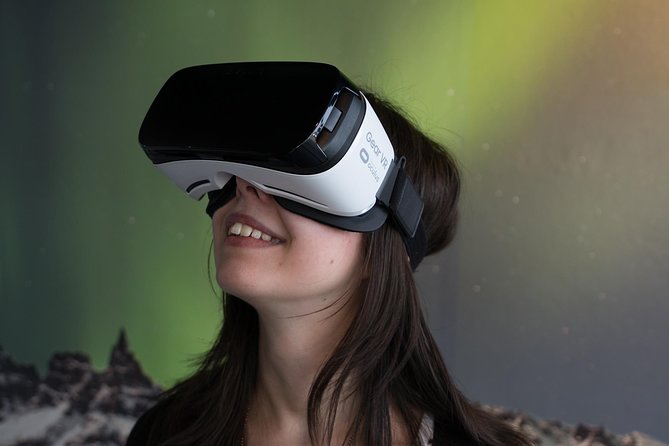
- The VR experience offers a 360-degree view: You sit and look around as northern lights appear above and around you.
- The photo simulator has real practical value: You can work through camera settings before trying to photograph the actual sky.
- The museum covers both myth and science: Displays connect Arctic folklore with solar activity, Earth’s atmosphere, and human vision.
- One hour is usually enough: The visit is compact, making it easy to fit into a Reykjavik day.
- Bring your own headphones: QR audio guides require headphones, or you can buy them at the desk.
What Aurora Reykjavík gives you that nature cannot
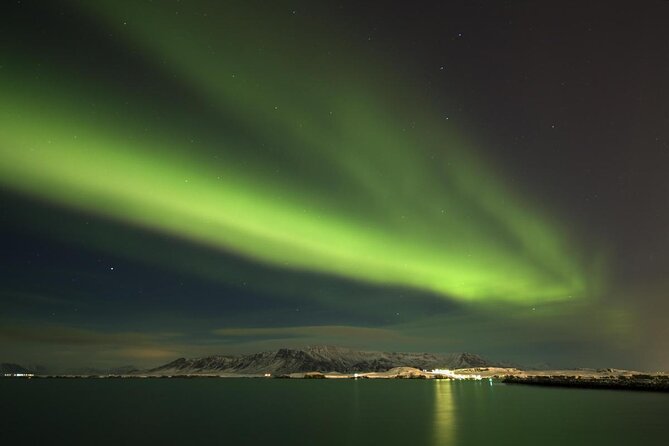
Aurora Reykjavík is built around a simple problem: the northern lights are spectacular, but they do not work to your schedule. You may visit Iceland in summer, when daylight rules out a natural display, or spend a cold evening under cloudy skies. Even during the right season, there is no promise that the aurora will appear.
This museum gives you a dependable introduction without pretending to replace the real thing. You see recorded auroras from around Iceland, study the science behind them, and get a taste of what an outdoor sighting might feel like. Think of it as preparation and insurance, not a substitute for standing beneath the actual sky.
The visit takes about an hour. That makes it a practical stop between other Reykjavik plans, especially since it is near public transportation and described as a short walk from the city center. It is not an all-day attraction, and that is part of its value. You can fit it into a busy schedule without giving up half your day.
More Museums in Reykjavik
- Reykjavik: Perlan Museum Wonders of Iceland Entrance Ticket
★ 4.7 · 2,575 reviews - Reykjavík: Hop-On Hop-Off Bus and Perlan Museum Entry Ticket
★ 4.3 · 719 reviews - Reykjavik: Whales of Iceland Museum Entrance Ticket
★ 4.4 · 493 reviews
The museum’s first rooms: myths, cultures, and the science of light
The visit begins with northern lights stories from Arctic cultures and other parts of the world. These displays show how people once explained the moving bands of light before modern science gave us a clearer answer.
I find this section useful because it gives the aurora a human setting. You are not just looking at a scientific diagram. You are seeing how different communities understood a strange sight in the night sky, often through stories, warnings, or sacred ideas.
The exhibits then move toward the science. You learn where the northern lights come from, how solar activity relates to them, and why the human eye may see the display differently from a camera. That last point matters. Photographs often show stronger colors than your eyes can detect, especially when the aurora is faint.
The museum is small, so do not expect a large collection of objects or many galleries. Its strength is the focused subject. The information is presented in a way that should work well if you have done little research before arriving, while still giving you useful background before an aurora hunt.
The visit is self-guided. QR codes provide audio information, but you need your own headphones or must pay an extra fee for a pair at the desk. Bring earbuds if you have them. That small bit of preparation makes the exhibits easier to follow and avoids an unnecessary purchase.
The 7-meter screen and 30-minute Iceland film
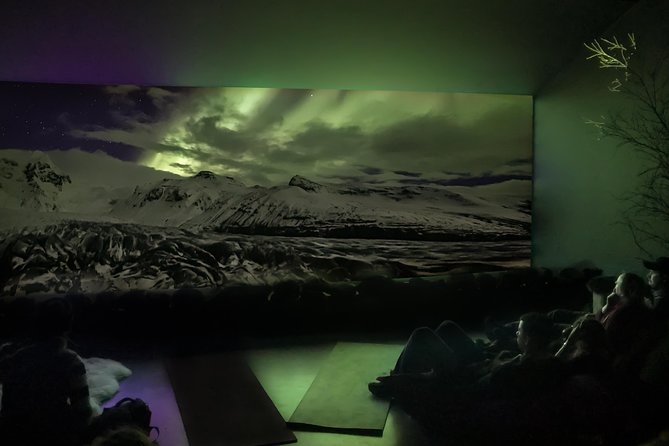
The theater section is where the museum becomes more visual. You can relax and watch a 4K time-lapse film showing roughly 30 minutes of northern lights displays recorded across Iceland.
This is more than a quick screensaver. The longer format lets you see changes in shape, intensity, and color. The film gives you a sense of how quickly an aurora can shift, from a faint glow to ribbons that sweep across the sky.
The 7-meter screen helps, though you should keep your expectations in check. This is a film presentation, not a physical dome surrounding you. One part of the visit has been described in promotional language that can make the screen experience sound fully wraparound. The actual 360-degree element comes through the VR equipment later.
I like placing the film in the middle of the visit. First, you learn what you are seeing. Then you watch the display unfold across Iceland. After that, the VR section gives you a more personal sense of looking around beneath the lights.
If you are visiting in summer, this film may be the closest visual introduction you get during your stay. It is a good way to see the aurora without waiting for darkness, checking cloud cover, or standing outdoors hoping for a break in the weather.
The 360-degree VR experience
Aurora Reykjavík presents a 360-degree northern lights VR experience that places the display above you and around you. You remain seated while using the goggles, looking in different directions to follow the lights over the Icelandic wilderness.
The strongest part is the freedom to look up and around. A regular film controls your view. VR gives you the feeling of choosing where to look, which is closer to the way an outdoor sighting works. You can turn toward changing colors and watch the sky from different angles.
Still, this section has limits. The VR area is not a large room where you stand and move freely. The experience uses seated devices, so it may feel less powerful if you expected a full-room installation. Some people would prefer standing to look around a complete 360-degree space.
That difference matters when deciding if the $33 admission suits you. If you want a large-scale attraction with motion, this may feel modest. If you want a short, certain, visually striking look at the aurora, the VR adds something that a standard museum display cannot.
The VR is also a good fallback when nature does not cooperate. You may never see the real lights during your visit, but you can still see their colors and forms in a controlled setting. It is not the same as the real sky, but it is far more immediate than a static photograph.
More Northern Lights Tours in Reykjavik
- Iceland: Northern Lights Bus Tour from Reykjavik
★ 4.1 · 11,161 reviews - Small-Group Premium Northern Lights Tour from Reykjavik
★ 4.4 · 2,977 reviews - #1 Northern Lights Tour In Iceland from Reykjavik with PRO photos
★ 4.5 · 2,887 reviews - Northern Lights Small-Group Tour with Hot Chocolate & Photos
★ 4.5 · 2,068 reviews
The photo simulator: the most practical part
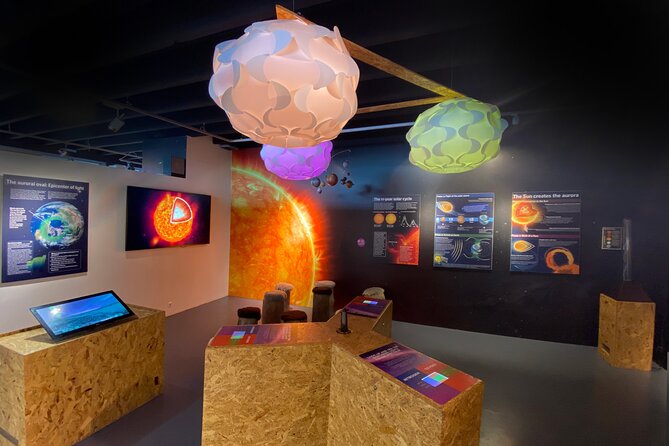
The photo simulator may be the most useful feature for anyone planning an outdoor aurora hunt. It gives you a chance to adjust camera settings and think through the steps needed to photograph the lights.
The basic lesson is simple: successful aurora photography requires more than pointing a phone or camera upward. You need to understand exposure and adjust settings for a dark sky and moving light. Practicing before you leave can save time when the real display begins.
I would pay close attention here even if photography is not your main goal. The simulator connects the science to a real activity. It explains not only what the aurora looks like, but also how cameras record it.
The museum also offers a free photograph taken in front of an aurora and sent by email, according to the experience details. That is a pleasant extra, especially if the natural lights stay hidden. It gives you a simple souvenir without turning the visit into a shopping trip.
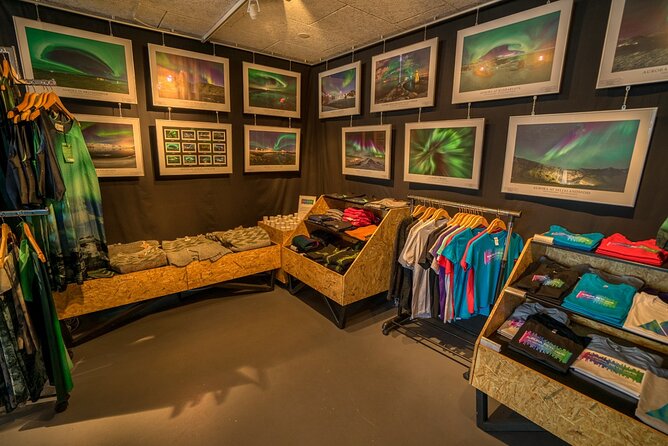
The gift shop may also carry northern lights photography and clothing, including T-shirts and hoodies. A Blu-ray souvenir featuring auroras recorded in Iceland has been available as a keepsake. These purchases are optional, and they should not affect your decision to visit, but they may appeal to anyone who wants a physical reminder of the experience.
Is $33 a fair price for one hour?
At $33 per person, this is not a cheap museum stop. The price makes the most sense if you use the visit for several purposes at once: a scientific introduction, a film, a VR experience, and photography practice.
The value improves if you are in Reykjavik during summer. You may have no chance to see the natural aurora at all, so the museum provides a dependable way to learn about and view it. The same applies if poor weather or weak conditions spoil an outdoor aurora outing.
The value is less clear if you have already spent time at another northern lights exhibition, watched several high-quality films, or are only interested in a large VR attraction. The museum is compact, and the self-guided format means you are responsible for setting your own pace.
I would not book it as the only northern lights activity in Iceland. If you are visiting during the darker months, leave room for an actual outdoor hunt as well. Nature remains the main event. Aurora Reykjavík helps you understand what to look for and gives you a satisfying backup.
Because most bookings are made about 38 days ahead, it is wise to reserve in advance if your schedule is fixed. Still, the museum’s daily hours, from 10 a.m. to 7 p.m., give you plenty of flexibility.
Who will enjoy this visit most?
This experience suits first-time visitors who want a clear introduction without committing to a long lecture. The explanations cover mythology, science, the origin of the lights, and the way the eye sees them. You can take in the information at your own pace.
It is also a smart choice for summer visitors. The northern lights require darkness, and Iceland’s long summer days remove that possibility. Here, you can see aurora footage and try VR without waiting for night.
Photography-minded visitors should make time for the simulator. You will not leave with outdoor shooting experience, but you will have a better idea of how to prepare your camera and read the forecast.
Families should think about the ages and interests of their children. The exhibits are not designed as a large children’s attraction, and young kids may lose interest unless they already enjoy space or science. Older children and teenagers who like astronomy may get more from the science and VR sections.
The museum also works well for solo visitors. You can move through the displays independently, stop for the film, and spend more or less time with the photo tools. No group schedule forces you to hurry.
Timing, access, and small practical details
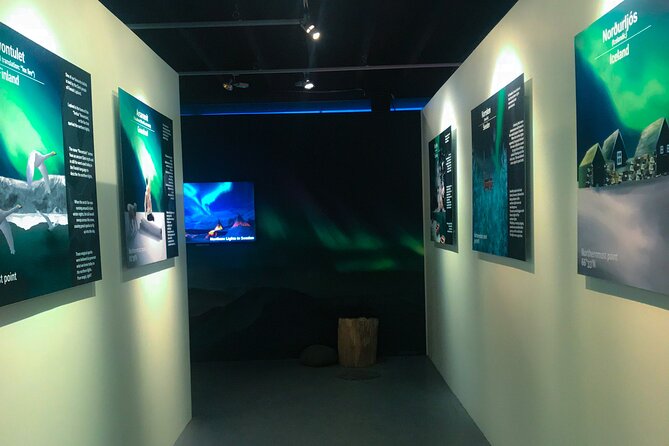
The center is open daily from 10 a.m. to 7 p.m. The stated visit lasts about one hour, though your pace may vary depending on how closely you read the displays and how long you spend with the film and VR.
It is near public transportation and can be reached by a short walk from central Reykjavik. The experience allows service animals, and most people can participate. The maximum group capacity is listed as 500, though your individual visit is still largely self-guided.
Check the address carefully before setting out. Older tickets and printed material have carried a previous address, which has caused some confusion. Confirm the current location at the time of booking.
The ticket includes taxes, fees, and local taxes. Headphones for the QR audio guides are not included. Bring your own pair, or expect to pay an extra charge at the desk.
Free cancellation is available up to 24 hours before the start time. Canceling inside that window does not qualify for a refund, and changes made within 24 hours are not accepted. That policy is worth remembering if your Reykjavik plans depend on weather.
Aurora Reykjavík compared with the real northern lights
No museum can reproduce the full experience of the natural aurora. Outdoors, you feel the darkness, cold, open sky, and suspense of waiting. The lights may appear faintly, then strengthen, fade, and return in a completely unscripted way.
Aurora Reykjavík removes the uncertainty. The colors are visible, the film is ready, and the VR system does not care about cloud cover. That reliability is its main strength.
Use the visit to improve your chances outside. Learn how to read the forecast, understand the role of cloud cover, and prepare your camera. Then treat the museum’s film and VR as a visual lesson, not a replacement for going out.
I also like the museum as a safety net. If your outdoor hunt fails, you have still seen the aurora in several forms and learned why the conditions mattered. That can turn a disappointing evening into a more useful part of your Iceland trip.
Should you book Aurora Reykjavík?
Book it if you want a one-hour, weather-proof introduction to the northern lights, especially if you are visiting in summer or have limited time in Reykjavik. The best reasons are the 30-minute Iceland film, the 360-degree VR, and the practical photography guidance.
Skip it if your main goal is a large interactive attraction or if you are expecting the VR to take place in a full room with standing and moving space. At $33, the compact museum may feel expensive if you only want a quick look.
My advice is to book it as a complement to an outdoor aurora hunt, not as a replacement. You will learn what you are looking at, prepare your camera, and still have a dependable northern lights experience if Iceland’s weather refuses to cooperate.
FAQ
Where is Aurora Reykjavík located?
Aurora Reykjavík is in Reykjavik, Iceland, near public transportation and within a short walk of the city center.
How long does the visit take?
The visit lasts approximately one hour.
What are the opening hours?
Aurora Reykjavík is open daily from 10 a.m. to 7 p.m. during the stated operating period.
Is the experience offered in English?
Yes. The experience is offered in English.
Does the ticket include taxes and fees?
Yes. The price includes all taxes, fees, handling charges, and local taxes.
Are headphones included?
No. Headphones for the QR audio guides are not included. You can bring your own or purchase them at the desk for an additional fee.
Does the museum show a film?
Yes. The movie theater presents a 4K time-lapse film featuring about 30 minutes of northern lights displays recorded across Iceland.
Is there a virtual reality experience?
Yes. Aurora Reykjavík offers a 360-degree northern lights VR experience using headsets.
Can I cancel for a full refund?
Yes, if you cancel at least 24 hours before the experience start time. Cancellations made less than 24 hours in advance are not refunded, and changes inside that period are not accepted.
Just added around Reykjavik
- Reykjavik: Whale and Puffin Watching RIB Boat Tour★ 4.6 · 179 reviews
- Reykjavik: Whale Watching & Lava Show★ 5.0 · 4 reviews
- Reykjavik: Whale Watching Express★ 4.3 · 227 reviews
- Reykjavik: Whale & Marine Adventure Tour★ 4.3 · 71 reviews
- From Reykjavík: Viking Horseback Tour in Hafnarfjörður★ 4.9 · 112 reviews
- Reykjavík: Horse Riding Tours★ 4.9 · 127 reviews
- The Siggi Tour from Reykjavík: 1.5 to 2-Hour Ride★ 4.5 · 27 reviews
- Icelandic Horse Riding and Whale Watching Cruise from Reykjavík★ 4.0 · 14 reviews
Northern Lights Tours, compared.
Small-Group Premium Northern Lights Tour from Reykjavik
Read our review →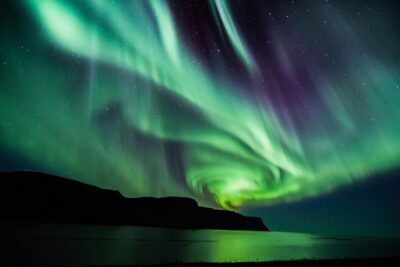
#1 Northern Lights Tour In Iceland from Reykjavik with PRO photos
Read our review →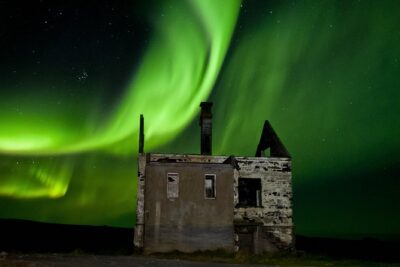
Northern Lights Small-Group Tour with Hot Chocolate & Photos
Read our review →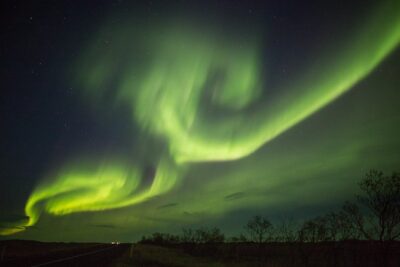
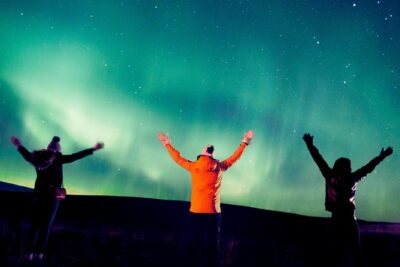
Northern Lights Bus Tour from Reykjavik with Hot Chocolate
Read our review →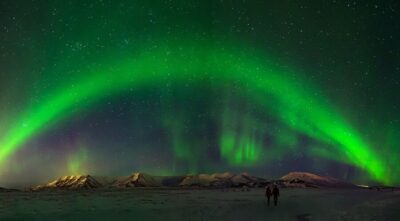

Browse the lists this tour appears in