
Reviewed · REYKJAVIK TOURS
Reykjavik City Card 24-hour
Reykjavik’s City Card turns one busy day into a self-guided sampler of Icelandic culture. You can visit a settlement-age excavation, modern art galleries, a maritime museum, and a geothermal pool without buying separate tickets at each door. Viðey Island ferry access adds a welcome outdoor break.
I like the freedom to build your own route, and I like the mix of museums and swimming pools. The main catch is time: most museums close around 5 p.m., and the city bus is ordinary public transport, not a sightseeing bus. Exchange the digital voucher for a physical card before you try to use it.
Five useful things to know before you start
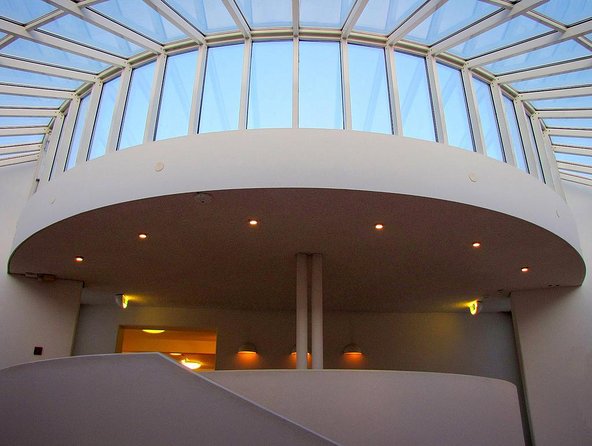
- The card lasts 24 hours: Plan from the moment you collect it, not from the time you book online.
- It is not a hop-on hop-off ticket: The pass covers Straeto public buses, with normal routes and schedules.
- Downtown museums pair well: The Settlement Exhibition, City Museum, Hafnarhús, and Photography Museum can form a very efficient central route.
- Thermal pools add real value: You can finish a museum day with hot tubs, steam rooms, saunas, and geothermal water.
- Viðey requires planning: The ferry is included, but the departure point can be awkward to reach, especially outside the main season.
- The card suits focused visitors: You will get more from it with a written plan than by wandering from place to place.
What the 24-hour Reykjavik City Card includes
The Reykjavik City Card costs $47.88 per person and gives you 24 hours of admission to a broad set of museums, galleries, thermal pools, the Family Park and Zoo, the ferry to Viðey Island, and Straeto buses in the Reykjavik area.
The price makes sense when you use several paid attractions. A day with three museums, a pool visit, and the ferry can make the pass pay for itself, while a single museum and a short walk will not. One well-planned route through central Reykjavik can deliver particularly good value because several included sights sit close together.
You choose your own schedule. There is no guide, fixed group, or required order. That freedom is useful if you have only part of a day, want to avoid a museum that does not interest you, or need an indoor plan during wet and windy weather.
The digital voucher is not the usable card. You must exchange it at a museum in Reykjavik before free admission and bus access begin. This is the detail most likely to cause trouble, so make the pickup your first task.
The advertised experience is listed as lasting about two days, but the pass itself is a 24-hour card. Treat it as one continuous day of sightseeing. The stated opening period runs from January 15, 2022, through December 10, 2026, with listed Monday through Friday hours of 9 a.m. to 10 p.m. Individual museums and pools have their own hours, and those matter more than the broad booking window.
A few more Reykjavik days worth weighing up
- Reykjavik Food Walk – Local Foodie Adventure in Iceland
★ 5.0 · 18,952 reviews - Iceland: Northern Lights Bus Tour from Reykjavik
★ 4.1 · 11,161 reviews - Reykjavík: Whale Watching and Marine Life Cruise
★ 4.6 · 9,838 reviews
The best central route: four museums in one compact area
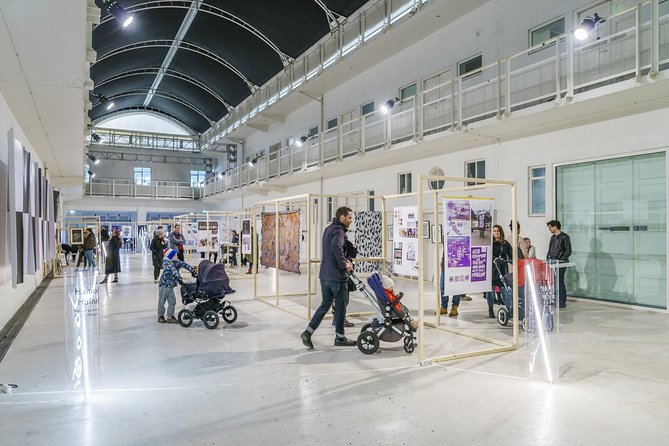
For a tight schedule, begin in central Reykjavik. The Settlement Exhibition, the City Museum site at Aðalstræti 10, Reykjavik Art Museum Hafnarhús, and the Reykjavik Museum of Photography make a strong cluster.
The Settlement Exhibition is the most distinctive stop. Below modern Reykjavik, you see the remains of a hall occupied from about 930 to 1000. Turf wall remnants north of the hall date to shortly before 871, making this an unusually direct look at Iceland’s earliest settlement period.
Allow about an hour. It is not a huge museum, which helps on a 24-hour pass. The displays explain what archaeologists and scholars can infer from the site, so you get context rather than simply staring at old stones.
Aðalstræti 10 is part of the Reykjavik City Museum and takes about 30 minutes. It works well as a short stop between larger museums. The space functions as both museum and exhibition venue, giving you another window into the city’s development.
At Hafnarhús, plan on two hours if contemporary art is your thing. This former harbor warehouse has six galleries and a changing program of Icelandic and international art. It also houses work by Erró, an important Icelandic figure in international pop art.
The building’s harbor setting adds useful context. This was part of the old port district, where Reykjavik’s first docks and working boats were concentrated. You get art and a sense of how the city’s waterfront changed.
The Photography Museum takes about an hour and focuses on Icelandic photography alongside historical and contemporary work from abroad. It places photographs in artistic, social, and cultural settings. Check its opening time before walking there. One visitor found it did not open until 1 p.m., a small schedule detail that can disrupt a tightly packed route.
National collections for Icelandic art and culture
The National Gallery of Iceland is a good choice if you want a broad introduction to Icelandic art. Its main collection covers 19th and 20th century Icelandic work, with international pieces by artists such as Picasso, Edvard Munch, Karel Appel, Hans Hartung, Victor Vasarely, Richard Serra, and Richard Tuttle.
Allow an hour. The collection is valuable because it gives Icelandic artists a place beside better-known international names. You are not limited to one national style or period.
The National Museum of Iceland takes about an hour and focuses on cultural history. Its objects are presented as a way to consider Iceland’s past, present, and future. This is the place to choose if you want a more general foundation before visiting the specialist museums.
The Culture House offers another broad view. Its permanent Points of View exhibition brings together material from six major Icelandic cultural institutions. Art, books, maps, archival material, and museum objects are arranged by theme, so the visit connects visual culture with the country’s written and historical record.
These three museums are useful for different reasons. The National Gallery focuses on art, the National Museum gives you cultural history, and the Culture House links collections that would otherwise require several separate visits. Do not try to see all three quickly unless you are comfortable with short visits.
Art museums with very different personalities
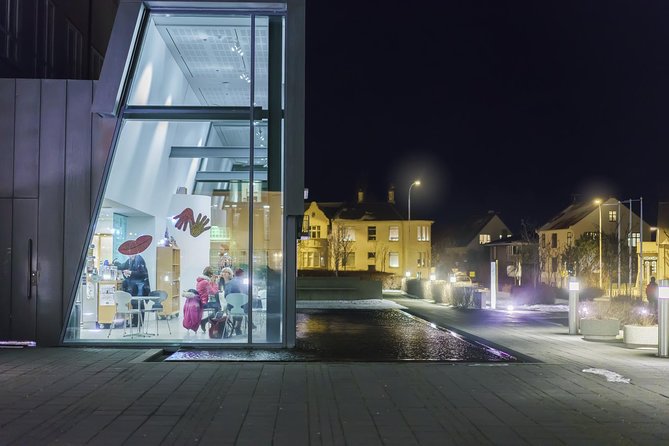
Reykjavik Art Museum operates three included locations, and each has its own character.
Hafnarhús is the contemporary choice, with local and international artists in a former harbor warehouse. Kjarvalsstaðir is more focused on established modern artists and the work of Jóhannes S. Kjarval, one of Iceland’s best-known painters. Its Nordic modernist building has full-height windows looking onto Klambratún Park.
Allow about an hour at Kjarvalsstaðir. The park setting gives the visit breathing room, especially if you have already spent the morning indoors.
Ásmundarsafn is the most architectural of the three. The white-domed building was designed, lived in, and used as a studio by sculptor Ásmundur Sveinsson. His sculptures fill the garden, while the interior is itself part of the experience, with design influenced by Mediterranean vernacular buildings.
Gerðarsafn, in neighboring Kópavogur, focuses on modern and contemporary art. Its temporary shows include Icelandic and international artists, along with pieces from the permanent collection. The museum was built in honor of a female artist, giving it a distinct place in Iceland’s museum scene.
These galleries reward different interests. You might choose Hafnarhús for current art, Kjarvalsstaðir for painting and sculpture, Ásmundarsafn for one artist’s studio and building, or Gerðarsafn for a broader modern program outside central Reykjavik.
Same corner of the island, a completely different day out:
- Reykjavik: Sky Lagoon Entrance Pass With 7-Step Spa Ritual
★ 4.8 · 6,166 reviews - Reykjavík Small group Walking Tour – by CityWalk
★ 5.0 · 5,076 reviews - Reykjavik: FlyOver Iceland Entry Ticket
★ 4.7 · 3,499 reviews - Reykjavik: LAVA SHOW – Immersive Experience Entry Ticket
★ 4.8 · 3,360 reviews
Maritime stories and the open-air museum
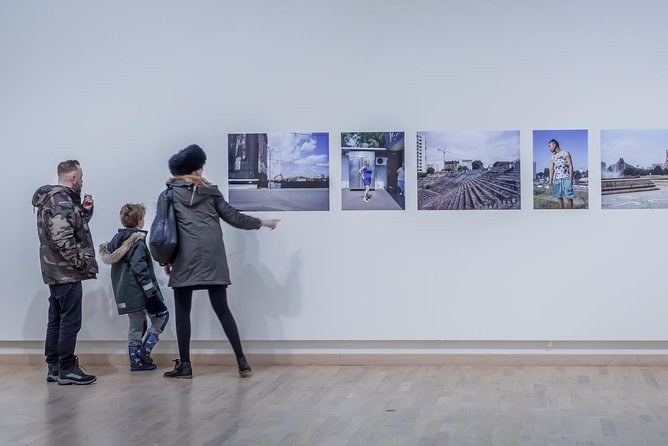
The Reykjavik Maritime Museum is one of the strongest choices if you want to understand Iceland’s working life. Fish and Folk follows 150 years of fisheries, from rowing boats to large fishing vessels and the modern industry.
The museum occupies a former fish factory, so the setting fits the subject. Give it about an hour. It focuses on Reykjavik as Iceland’s biggest fishing port, not just on boats as objects.
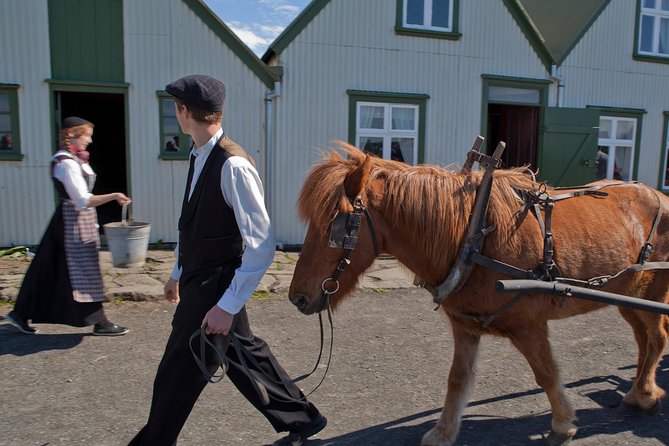
Árbær Open Air Museum requires more time and more transport planning. Allow up to three hours. The site includes more than 20 relocated buildings arranged as a town square, village, and farm.
Árbær was a working farm well into the 20th century, and the museum opened there in 1957. The buildings let you move through several parts of everyday life rather than one indoor gallery. It is a better choice in decent weather, since the visit takes place across an open site.
For a rainy day, the Maritime Museum is simpler. For a longer visit with a more physical sense of old Reykjavik, Árbær offers more space and variety. Do not place both at opposite ends of a packed 24-hour plan unless you have checked bus times closely.
Viðey Island: included ferry, separate planning problem
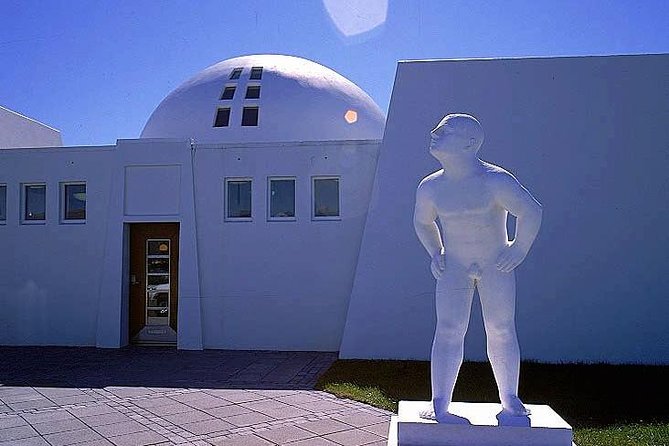
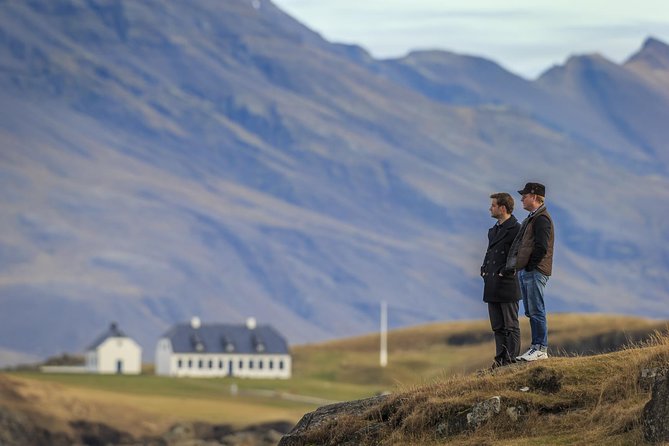
Viðey Island is one of the most appealing inclusions because it changes the pace. Allow about three hours for the island visit, ferry ride, walking, birdlife, and modern artworks.
The island has an important place in Icelandic history, but its appeal is also simple: open space, birds, and a break from city streets. It can be a fine choice when you want your City Card day to include nature rather than only indoor displays.
The practical issue is the ferry terminal. The card covers the ferry, but the public bus does not go directly to Skarfabakki Pier, where the ferry may depart, particularly in December. A taxi can cost around $50, and reaching the terminal can be confusing if the driver does not know the ferry location.
This is not a reason to skip Viðey. It is a reason to check the sailing point and allow extra time before starting your museum route. The ferry is one of the pass’s more unusual benefits, but it works best when treated as the main event of a half day.
Geothermal pools are the card’s great local experience
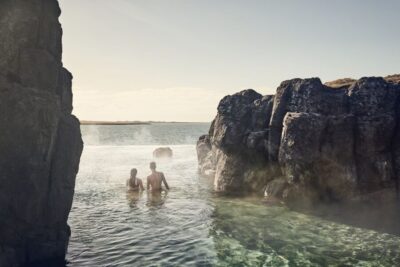
The included swimming pools may be the best value for many people. Reykjavik’s public sundlaugar use geothermal water and commonly include outdoor pools, hot tubs, steam rooms, saunas, and jacuzzis.
This is not a grand spa treatment. It is a local public-pool experience, and that is exactly its appeal. After a cold day, sitting in a hot outdoor tub can feel more memorable than rushing through one more gallery.
You can choose among several pools:
- Sundhöllin Public Baths: A central option that fits well with downtown museums.
- Vesturbæjarlaug: Another city pool with the familiar geothermal facilities.
- Laugardalslaug: A major pool choice with the standard city-pool mix.
- Grafarvogslaug: A neighborhood option with thermal facilities.
- Árbæjarlaug: Useful if you are already visiting Árbær.
- Breiðholtslaug: A large facility with indoor and outdoor pools, slides, sauna, and hot tubs.
- Dalslaug: The newest listed pool, opened in December 2021.
- Klébergslaug: A small outdoor pool in Kjalarnes, with views toward Mount Esja, a steam bath, gym, hot tubs, and a children’s slide.
The list also includes a ninth pool, so check the current card information when planning. Some pool entries are marked free rather than included, but the pass information describes access to several thermal pools and the provider explains that the card covers city pool admission.
Pool rules and opening times are not supplied here, so confirm them before building your entire day around one site. Bring the time needed to change and shower. A two-hour slot is a sensible allowance, especially if you want to use the hot tubs rather than make a quick swim.
Family Park and Zoo, best for a relaxed family stop
The Reykjavik Family Park and Zoo is more than a collection of farm animals, though it is not a major city zoo. You can see Icelandic farm animals, wildlife mammals, and a small display of reptiles, amphibians, and insects.
Allow about two hours. Playgrounds operate in summer and on winter weekends when weather allows, while castles, zip-lines, and other equipment remain available. The park is suitable for a slower family stop rather than a must-see attraction for every adult visitor.
Winter weather matters. One visit found the entire zoo closed after a long bus ride, so check seasonal operation before making it the anchor of your day. If you are traveling with children and the facilities are open, the pool plus zoo combination can be more rewarding than trying to force in another art museum.
Getting around: useful bus access, but no sightseeing narration
The card includes Straeto public buses in Reykjavik. This helps when you are heading between downtown and outlying museums, pools, Árbær, Kópavogur, or the zoo.
Do not confuse this with a hop-on hop-off bus. The City Card does not include the sightseeing bus, audio commentary, or a dedicated tourist loop. You use regular city routes, so you need the right stop, direction, and transfer.
Bus service can run about every 30 minutes on some routes, which is not ideal when your card expires after 24 hours. Some bus stations are concentrated downtown, and a route that looks close on a map may still require a long walk or transfer.
I would use the bus for longer cross-town journeys and walk between central museums. The city center cluster is often easier on foot, and walking gives you a better feel for Reykjavik than waiting at a stop. Bus drivers may not speak English or be able to explain transfers, so have your route ready and ask locals if you get stuck.
How to plan the card for maximum value
Start by collecting the physical card as early as possible. Then choose one geographic zone for the first half of the day and one larger attraction for the second half.
A strong central plan looks like this:
- Collect the card and visit the Settlement Exhibition.
- Continue to Aðalstræti 10 and Hafnarhús.
- Visit the Photography Museum if its opening time fits.
- Take a pool break at Sundhöllin or another convenient city pool.
- Add the Maritime Museum if you still have time.
A museum-heavy plan could replace the pool with the National Gallery, Culture House, or National Museum. An art-focused day could use Hafnarhús, Kjarvalsstaðir, and Ásmundarsafn, though transport between them needs checking.
For a family day, choose the zoo and a thermal pool, then add only one or two museums. For a nature-oriented day, make Viðey the centerpiece and use the museums before or after the ferry only if the sailing schedule allows.
Most museums close around 5 p.m. That makes the evening ideal for a pool, not for trying to squeeze in another gallery. Also check for temporary exhibition closures. One art museum visit had no exhibition available, a detail worth confirming before you cross town.
Who should buy it for $47.88?
I would consider the card a good buy if you have only one full day and plan at least three included museums, a pool, the ferry, or several family attractions. It is also useful in bad weather because you can move between indoor museums and warm pools.
I would be cautious if you want a relaxed pace. Twenty-four hours goes quickly, especially when you add bus waits, museum hours, meals, and ferry connections. A single museum, a long walk, and one pool may cost less than $47.88, depending on individual admission prices.
Families can gain value quickly because the pool and zoo give children a break from exhibits. Art lovers have enough included galleries to build a full day around changing styles and periods.
The card is less useful if you expect a guided city tour, narrated transport, or simple door-to-door movement. You are buying access and flexibility, not a tour guide.
Should you book the Reykjavik City Card?
Book it if you can plan a compact 24-hour route and want a mix of museums, geothermal pools, and possibly Viðey Island. The best version of this pass is not a frantic attempt to visit everything. It is a short list of nearby sights, one major cross-town trip, and a warm pool at the end.
Skip it if you will only visit one or two attractions, rely heavily on buses without checking routes, or arrive when several museums and outdoor sites have limited hours. Collect the card early, remember that it is not the hop-on hop-off bus, and confirm each attraction’s hours before you start.
Free cancellation is available up to 24 hours before the experience begins. After that point, the amount paid is not refunded and changes are not accepted.
FAQ
How long is the Reykjavik City Card valid?
The card is valid for 24 hours after activation. Although the experience may appear as approximately two days in booking information, you should plan around one 24-hour period.
Does the card include the hop-on hop-off bus?
No. It includes Straeto public buses in the Reykjavik area. It does not include the sightseeing hop-on hop-off bus.
Do I use the digital voucher as the card?
No. You must exchange the digital voucher for a physical City Card at a museum in Reykjavik. The voucher itself does not provide the included access.
What attractions are included?
The pass includes several museums and galleries, the Family Park and Zoo, several thermal pools, public buses, and the ferry to Viðey Island. Included venues include the National Museum, National Gallery, Settlement Exhibition, Maritime Museum, Reykjavik Art Museum locations, and Culture House.
Is the ferry to Viðey Island included?
Yes. The ferry to Viðey Island is included. You still need to reach the departure point, and the public bus may not go directly to Skarfabakki Pier.
Are thermal pools included?
Yes. The City Card includes access to several Reykjavik thermal pools. Listed options include Sundhöllin, Vesturbæjarlaug, Laugardalslaug, Grafarvogslaug, Árbæjarlaug, Breiðholtslaug, Dalslaug, and Klébergslaug.
Can I cancel the booking for a refund?
Yes. You can cancel at least 24 hours before the experience start time for a full refund. Cancellations or changes made less than 24 hours beforehand are not accepted.
Just added around Reykjavik
- Reykjavik: Whale and Puffin Watching RIB Boat Tour★ 4.6 · 179 reviews
- Reykjavik: Whale Watching & Lava Show★ 5.0 · 4 reviews
- Reykjavik: Whale & Marine Adventure Tour★ 4.3 · 71 reviews
- Reykjavik: Whale Watching Express★ 4.3 · 227 reviews
- From Reykjavík: Viking Horseback Tour in Hafnarfjörður★ 4.9 · 112 reviews
- Reykjavík: Horse Riding Tours★ 4.9 · 127 reviews
- The Siggi Tour from Reykjavík: 1.5 to 2-Hour Ride★ 4.5 · 27 reviews
- Icelandic Horse Riding and Whale Watching Cruise from Reykjavík★ 4.0 · 14 reviews
Reykjavik Tours, compared.
Reykjavik Food Walk – Local Foodie Adventure in Iceland
Read our review →
Sky Lagoon Entrance Pass With 7-Step Spa Ritual
Read our review →
Reykjavík Small group Walking Tour – by CityWalk
Read our review →
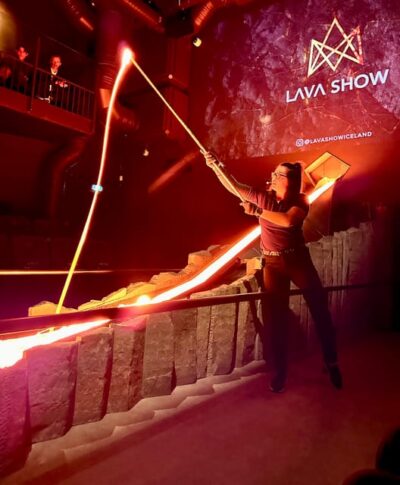
LAVA SHOW – Immersive Experience Entry Ticket
Read our review →