
Reviewed · VOLCANO TOURS
Small Group Volcano Hike with a Professional Geologist
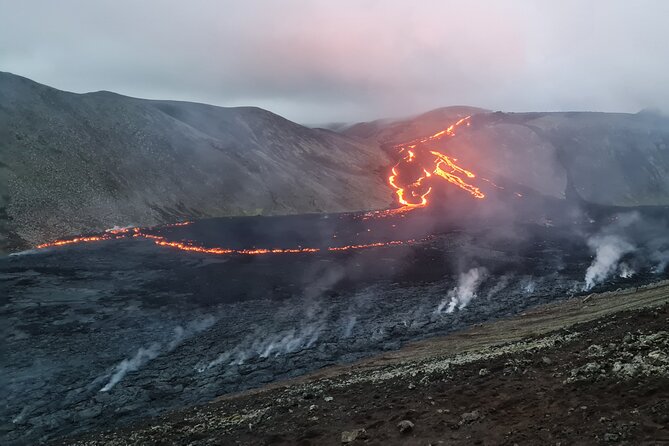
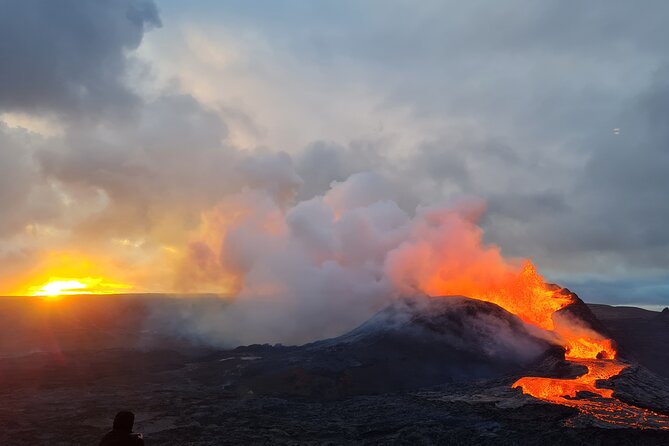
Fagradalsfjall is not a sightseeing stop you simply pull up to and photograph. You walk across newly formed lava, climb rough volcanic ground, and learn how the Reykjanes Peninsula was built by fire. The crater viewpoint brings wide views of black lava fields and the surrounding volcanic hills, though glowing lava is never guaranteed.
I especially like the access to a professional geologist and the very small advertised group size of six. Guides such as Giuseppe, France, and Jasmine have made the science lively and easy to follow, stopping to explain lava textures, fissures, hot cracks, and the shape of the land beneath your boots.
The catch is the hike. It can cover close to six miles in total, with steep inclines, loose rocks, mud, wind, rain, and narrow uneven sections. You need proper hiking footwear, warm waterproof layers, food, and enough fitness for a serious half-day walk.
Key points to know before you book
- New volcanic ground underfoot: You walk across lava formed by recent eruptions rather than viewing the volcano from a distant road.
- A geologist leads the way: Guides explain lava composition, fissures, eruption patterns, crater forms, and why the rocks look different from one another.
- About 1 to 1.5 hours each way: The route to the crater viewpoint is a real hike, not a short stroll from the vehicle.
- The advertised group limit is six: A few departures have reportedly included more people, so confirm the size when you book.
- Weather can change the whole day: Wind, cold, rain, hail, and mud can make the rocky trail much harder.
- Pack your own food and water: Neither meals nor bottled water is included, and the full outing may last well beyond six hours.
Walking onto Iceland’s newest volcanic ground
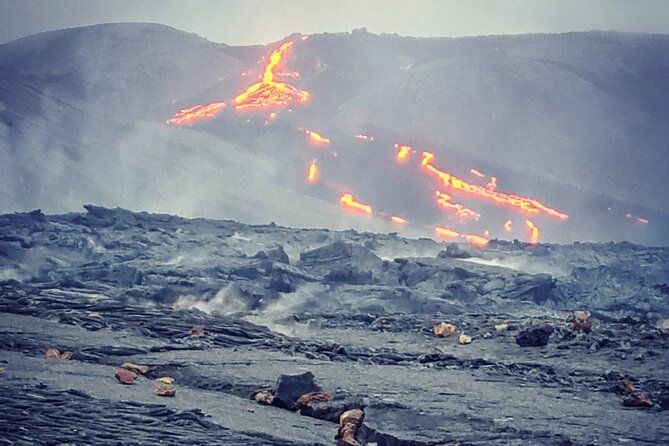
The appeal here is simple and powerful: you are not only looking at a volcano. You are walking over ground that did not exist in its present form before recent eruptions.
The Fagradalsfjall area lies on the Reykjanes Peninsula, a region shaped by the meeting of major geological plates and repeated volcanic activity. Your guide begins with that setting, then explains the early signs of the eruptions and the dramatic events that followed.
This introduction matters because the rocks around you can otherwise look like a field of black rubble. With a geologist beside you, you learn to notice differences in lava texture, color, shape, and cooling pattern. One rock may show a smooth flow surface, while another reveals broken, jagged lava formed as the molten material cooled and shifted.
I like this kind of guiding because it gives you something to look for during every part of the walk. You are not simply waiting for the crater view. The ground itself becomes the subject.
Glowing lava cannot be promised. Volcanic activity changes, and even a recently active site may show no visible molten rock on the day you visit. You may still see hot gases, warm cracks, or heat retained below the surface, but conditions vary and safety rules come first.
More Hiking Tours in Reykjavik
- Reykjavík: Guided Afternoon Hiking Tour to New Volcano Site
★ 4.4 · 934 reviews - Reykjavik: Thrihnukagigur Volcano Guided Hiking Day Trip
★ 4.8 · 410 reviews - Inside the Volcano: Small-Group Tour and Lava Field Hike
★ 5.0 · 168 reviews
The hike to the crater viewpoint
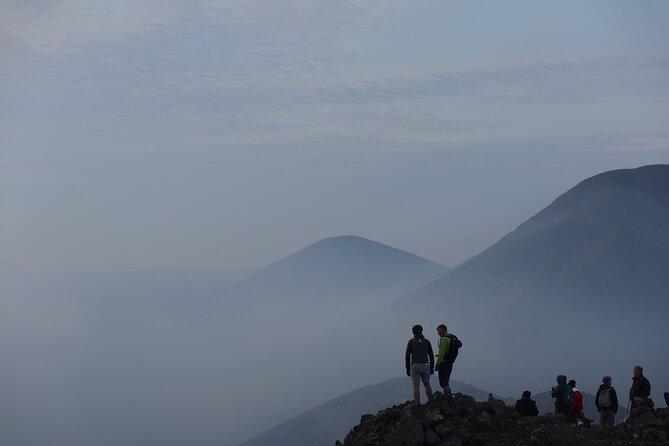
The walk to the crater viewpoint takes about one to one and a half hours each way, with the full route sometimes reaching close to six miles. The first portion may feel manageable on dirt and gravel, but the route becomes more demanding as you gain height and cross rough volcanic ground.
There are steep switchbacks and extended inclines. A good guide sets a steady pace and pauses to let everyone catch their breath. France, Giuseppe, and other guides have been praised for explaining the geology during these breaks and adjusting the pace so nobody is pushed beyond a safe level.
Do not confuse a moderate fitness rating with an easy walk. The trail can include sharp rocks, loose stones, mud, narrow sections, and uneven slopes. One account described around 16,000 steps in a day, while another noted that some people chose not to cross the roughest lava area because of the risk of injury.
You should be comfortable walking for several hours over ground that does not always offer a smooth, firm surface. If steep climbs or unstable footing are difficult for you, this may not be the right way to see the volcano.
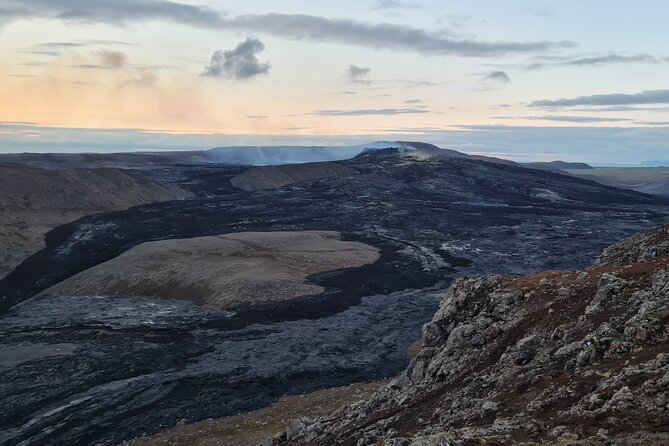
At the crater viewpoint, the reward is a broad view over the lava fields and volcanic terrain. The scale becomes clearer from above. You can see how flows spread across the ground and how the black rock contrasts with the surrounding Reykjanes terrain.
The viewpoint is also a good place to let the guide connect the visible features with what you have learned. You may discuss the crater shape, lava flow direction, fissures, and the continuing heat beneath older-looking rock. The view is impressive on its own, but the explanation gives it meaning.
What you can learn from the lava
The best part of this tour is the chance to turn geology into something you can see and feel. Your guide may point out the difference between various types of lava and explain how their composition affects the rocks and ground around you.
Recent lava can look harsh and unfinished, with sharp edges and tangled surfaces. Older or more weathered sections may show different colors and forms. The details are easy to miss if you are walking alone, especially when the weather has you focused on your footing.
Some departures have included time near cracks where heat can still be felt. A guide may explain how hot gases escape and why certain rocks remain warm long after an eruption. One experience included placing a hand near cracks to feel heat from below, while another described warmth in rocks linked to an earlier eruption.
You should never treat these features casually. The tour’s value comes partly from having a geologist explain where it is safe to stand and what you are seeing. Do not wander away from the group or handle rocks simply because they look unusual.
The guides receive the strongest praise for making difficult ideas clear. Giuseppe is known for his humor and enthusiasm, while France has been singled out for patient pacing and careful explanations. Jasmine has also been described as an excellent source of information during the walk. The guide on your departure may be different, but the central benefit remains the same: you get a field lesson from someone trained to read volcanic ground.
Reykjanes scenery on the drive back
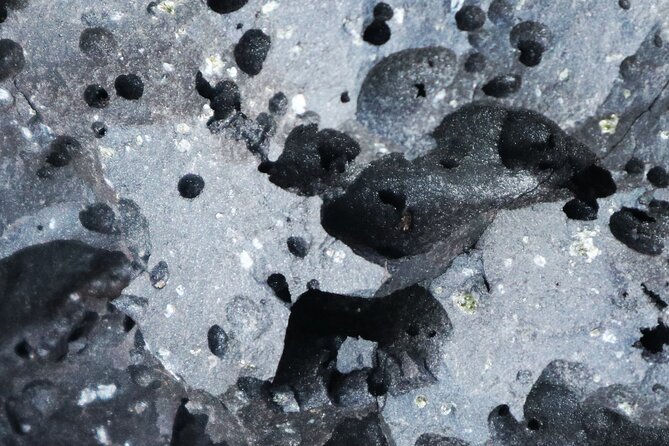
After the hike, the vehicle returns to Reykjavík through the varied scenery of the Reykjanes Peninsula. The route can pass geothermal hot springs, crater lakes, rugged volcanic mountains, and other signs of the peninsula’s active geology.
This drive is a useful final chapter rather than empty transport. After several hours on foot, you can sit back and see how the volcanic features continue beyond Fagradalsfjall. The peninsula is not a single volcano with one isolated cone. It is a broad region of geothermal heat, fractured ground, lava fields, and volcanic hills.
The ride from Reykjavík to the hiking area has been described as roughly 45 minutes each way, though the total timing can change. The listed duration is about six hours, but some departures have returned closer to 5:15 or 6 p.m. after a 10 a.m. start.
That difference matters if you have dinner plans, a flight, or another timed activity. Allow extra room in your schedule. Weather, trail conditions, group pace, and the time spent examining the lava can all extend the day.
More Volcano Tours in Reykjavik
- From Reykjavik: New Volcanic Area Helicopter Tour
★ 4.8 · 500 reviews - Iceland Volcanic Eruption Area Helicopter Tour from Reykjavík
★ 4.5 · 196 reviews - Reykjavik: Small-Group Horse Volcano Riding Tour with Pickup
★ 4.7 · 196 reviews - Volcano Eruption Site Hike from Reykjavik
★ 4.0 · 125 reviews
A small group, with one important qualification
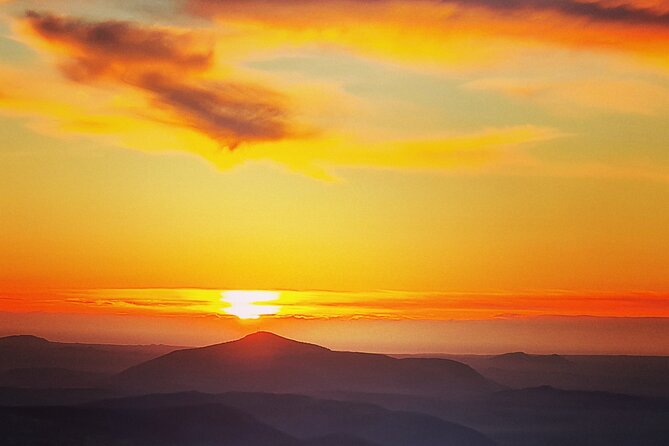
The tour is advertised for a maximum of six people. That is a major advantage for a hike like this. A small group gives you more chances to ask questions, hear the guide, and pause without being lost in a large crowd.
It also makes it easier for the guide to watch footing and pace. On uneven volcanic ground, that personal attention has real value. You are more likely to receive a direct explanation of an unusual rock or a quick correction when the trail becomes confusing.
There have been departures with seven or eight people, despite the advertised limit. That is a fair point to clarify before booking, especially if a very small group is central to your decision. The experience can still work well with a few extra people, but it may feel less personal and slower at narrow points on the route.
The vehicle has air conditioning, but one account described six passengers feeling cramped, especially in the back. The ride is not the main attraction, yet you should be prepared for limited legroom on the journey to and from the trail.
What to wear and bring for this volcano hike
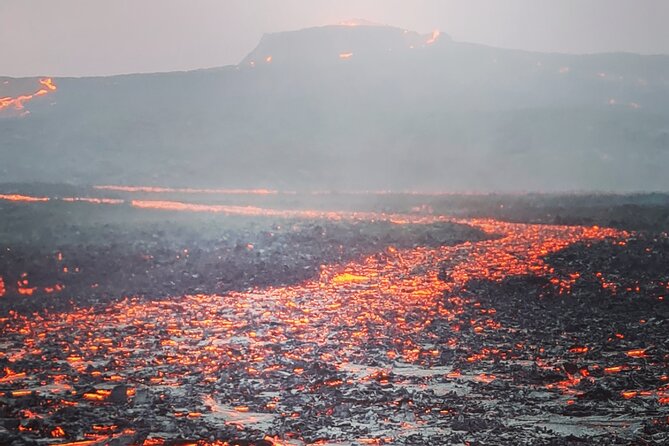
I would treat the clothing advice as essential, not optional. Icelandic weather can bring cold, strong wind, rain, hail, and sudden changes. Several hours outside on exposed volcanic ground can feel much harder when your jacket and boots become wet.
Wear sturdy trail shoes or hiking boots with good grip. Regular trainers are a poor choice for sharp, loose, muddy lava. Waterproof trousers and a waterproof outer layer are sensible, along with warm layers beneath them.
Bring food and water. Bottled water and meals are not included, and the day can stretch from a morning departure into late afternoon or early evening. Energy bars, sandwiches, and a refillable water bottle are practical choices.
Crampons and headlamps are supplied if needed. Their use depends on conditions and daylight, so you should still dress for a demanding outdoor activity rather than assuming the equipment will solve every problem.
Leave large bags and luggage behind. The meeting point is at Grænaborg, Eiríksgata 2, in Reykjavík, and the activity ends there after the return drive. The location is near public transportation, but hotel pickup and drop-off are not included.
Is the $220.19 price fair?
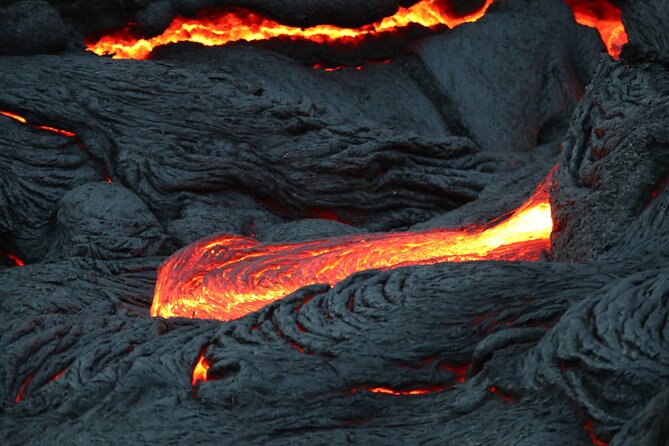
At $220.19 per person, this is not a bargain-priced sightseeing trip. You are paying for transport, parking, specialist guiding, equipment when required, and a focused experience in a difficult-to-reach volcanic area.
The value depends on how much you want to understand what you see. If you only want a photograph of a volcano, a less expensive viewpoint or self-guided outing may suit you better. If you want a geologist to explain the lava beneath your boots and connect the rocks to Iceland’s active geology, the price is easier to justify.
The small group also matters. Six people sharing one guide allows more conversation than a large coach tour. You can ask why one lava formation looks different from another, how fissures form, or what signs show that heat remains below the surface.
The price does not cover lunch or bottled water, so add those costs and pack them yourself. Also account for the time commitment. This is a half-day or longer activity, not a quick side trip between other Reykjavík plans.
The tour has an overall rating of 4.7 from 142 ratings, with 94 percent recommending it. The high score reflects the quality of the guiding and the unusual setting, but it does not erase the practical drawbacks: difficult weather, rough walking, occasional long days, and reported group sizes above six.
Who will get the most from this experience?
You are a good match if you enjoy geology, active volcanoes, outdoor exercise, and learning while you walk. You should have a moderate level of fitness and be comfortable with steep inclines, uneven rocks, mud, and several hours outside.
This is especially good for someone who has visited Iceland’s waterfalls and geothermal pools and now wants a closer look at the forces shaping the country. The guide adds much more than a basic photo stop.
It is not recommended for children under 12. Large luggage is not permitted, and the tour is not designed for anyone seeking an easy-access viewpoint. If cold rain or strong wind would end your day outdoors, wait for a better forecast or choose a less exposed activity.
Cancellations are free up to 24 hours before the start time. If poor weather cancels the hike, you are offered another date or a full refund. The same applies if the minimum number of participants is not reached. Last-minute cancellations by you are not refundable, so keep the policy in mind when arranging a tight Iceland schedule.
Should you book the Fagradalsfjall volcano hike?
I would book this if you want an active, science-focused look at Iceland’s recent volcanic ground and you are prepared for the weather. The geologist guides, especially Giuseppe and France, have made this experience memorable through clear explanations, humor, patience, and careful pacing.
Book it for the chance to walk across fresh lava and understand what you are seeing, not for a guaranteed view of glowing rock. Pack food, bring waterproof clothing, wear real hiking boots, and allow more than six hours in case the group moves slowly or the trail is difficult.
Skip it if you want a gentle excursion, dislike rough terrain, or have a tightly timed afternoon. For the right person, this is one of Reykjavík’s most unusual day outings. For the wrong person, the same rocks, wind, and mud can turn a dramatic volcanic visit into a long slog.
FAQ
Where does the volcano hike begin?
The activity begins at Grænaborg, Eiríksgata 2, 101 Reykjavík, Iceland. It ends back at the same meeting point.
How long does the Fagradalsfjall hike take?
The walk to the crater viewpoint takes about 1 to 1.5 hours each way. The complete activity lasts approximately six hours, although some departures have taken longer.
Is glowing lava guaranteed?
No. Visible glowing lava cannot be guaranteed. The hike still provides views of lava fields, volcanic terrain, fissures, and other geological features.
How many people are in the group?
The advertised maximum is six participants. Some departures have reportedly included seven or eight people, so you may want to confirm the group size when booking.
What is included in the price?
The price includes the guided volcano hike, parking fees, an air-conditioned vehicle, and crampons and headlamps if needed.
Are meals and water included?
No. Meals and bottled water are not included. Bring your own food and water, particularly because the outing may last from morning into late afternoon or evening.
What fitness level and clothing do I need?
You need a moderate level of physical fitness for steep inclines, rough lava, rocks, mud, and several hours of walking. Wear suitable hiking boots and dress for cold, wind, and rain. The activity is not recommended for children under 12.
Just added around Reykjavik
- Reykjavik: Whale and Puffin Watching RIB Boat Tour★ 4.6 · 179 reviews
- Reykjavik: Whale Watching & Lava Show★ 5.0 · 4 reviews
- Reykjavik: Whale & Marine Adventure Tour★ 4.3 · 71 reviews
- Reykjavik: Whale Watching Express★ 4.3 · 227 reviews
- From Reykjavík: Viking Horseback Tour in Hafnarfjörður★ 4.9 · 112 reviews
- Reykjavík: Horse Riding Tours★ 4.9 · 127 reviews
- The Siggi Tour from Reykjavík: 1.5 to 2-Hour Ride★ 4.5 · 27 reviews
- Icelandic Horse Riding and Whale Watching Cruise from Reykjavík★ 4.0 · 14 reviews
Volcano Tours, compared.
Golden Circle Full-Day Tour with Kerid Crater
Read our review →
Small-Group Golden Circle, Blue Lagoon with Ticket & Kerid Crater
Read our review →
Golden Circle, Kerid Crater, & Blue Lagoon Tour
Read our review →
Golden Circle with Kerid Volcanic Crater Day Tour from Reykjavik
Read our review →
Golden Circle, Volcano Crater and Blue Lagoon Small-Group Tour
Read our review →
Golden Circle, Secret Lagoon and Kerid Crater Tour from Reykjavik
Read our review →
Golden Circle, Crater & Blue Lagoon Minibus Tour
Read our review →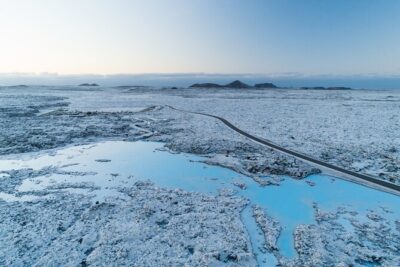
Golden Circle, Kerid Crater & Geothermal Lagoon -Small Group Tour
Read our review →Browse the lists this tour appears in