
Reviewed · MUSEUMS
Reykjavík: National Museum of Iceland Entry Ticket
Iceland’s story begins with a ship crossing the North Atlantic and ends at a modern airport, a neat way to frame a nation shaped by isolation, travel, faith, and survival. At the National Museum of Iceland, you’ll follow that long route through about 2,000 objects, including a year 1000 figure of Thor and some striking medieval church art.
I like the museum’s clear sweep from the Settlement Age to modern Iceland, and I like having an audio guide in 10 languages so you can set your own pace. The main drawback is that some objects have limited detail beside them, and the exhibition layout may not always feel perfectly sequential. Plan on about 90 minutes if you want a focused visit, longer if you read everything.
Key points to know before you go
- See a Thor figure from around the year 1000, one of the museum’s most memorable Viking-era objects.
- Follow Iceland’s story from settlement ship to modern airport, rather than viewing disconnected relics.
- Expect about 2,000 objects, including the first Bible printed in Iceland and medieval church pieces.
- Use the included audio guide in 10 languages for extra context as you move through the galleries.
- Pair the visit with another Reykjavík museum, especially the Settlement Exhibition for early Iceland or the Maritime Museum for modern history and the Cod Wars.
- Take advantage of the 365-day ticket validity, though large bags and luggage are not allowed.
From a settlement ship to the modern world
The permanent exhibition asks a simple question: What makes a nation? Its answer comes through objects, images, religion, work, daily life, and the repeated challenge of connecting Iceland with the wider world.
The exhibition opens with the ship that carried medieval settlers across the ocean. That is an effective start. Before you meet kings, churches, or famous objects, you meet the basic fact of Icelandic history: people had to cross a rough sea to make a home on a remote island.
From there, the displays move through the Settlement Age, the medieval period, later centuries, and the modern era. The final point is a modern airport, described as Icelanders’ gateway to the world. The structure gives you a useful timeline, though the numbering and sequence may require attention in some areas. If you prefer a strictly linear museum route, keep the exhibition theme in mind and use the audio guide to fill in the links.
This approach is helpful because Iceland can seem like a collection of separate stories: Vikings, sagas, turf houses, Christianity, fishing, independence, and modern life. Here, those subjects belong to one long account. You can see how a small population built a distinct society while staying connected to Europe.
More Museums in Reykjavik
- Reykjavik: Perlan Museum Wonders of Iceland Entrance Ticket
★ 4.7 · 2,575 reviews - Reykjavík: Hop-On Hop-Off Bus and Perlan Museum Entry Ticket
★ 4.3 · 719 reviews - Reykjavik: Whales of Iceland Museum Entrance Ticket
★ 4.4 · 493 reviews
The Viking-era objects worth slowing down for
The early section is likely to be the main reason you choose this museum. It gives physical form to a period that is often reduced to saga characters and dramatic sea journeys.
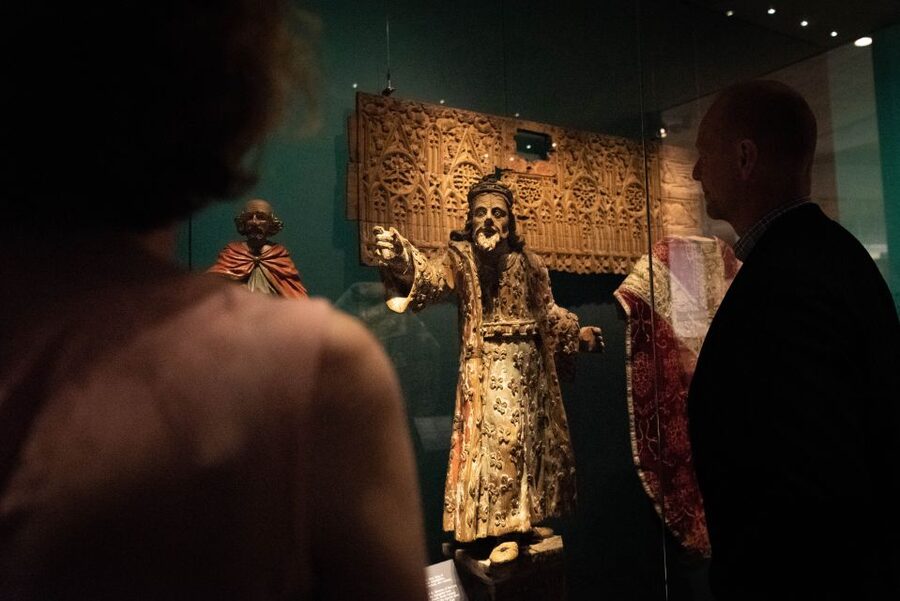
The figure of Thor, dated to around the year 1000, is an important highlight. It belongs to the moment when Iceland was moving from its old Norse beliefs toward Christianity. That makes it more than a small religious object. It sits at a turning point in Icelandic culture, when older traditions and a new faith were meeting.
You should also pay attention to the material quality of the objects. A museum case can make Viking-era life look tidy and settled, but these pieces point back to a demanding society built on farming, seafaring, belief, and trade. The museum gives you a chance to consider how much of Iceland’s early culture came from the settlers themselves and how much was shaped by their new surroundings.
The audio guide is useful here, especially if you do not already know the basic timeline. It is offered in English, Danish, French, Polish, Spanish, Dutch, Swedish, Icelandic, Italian, and Chinese. You can listen without rushing through every label, then return to objects that catch your eye.
The museum works best when you do not treat every case as equally important. Give yourself time with the Thor figure, the early settlement material, and objects that show changes in belief and daily life. You will get more from a few careful stops than from trying to read every word.
Medieval churches and Iceland’s first printed Bible

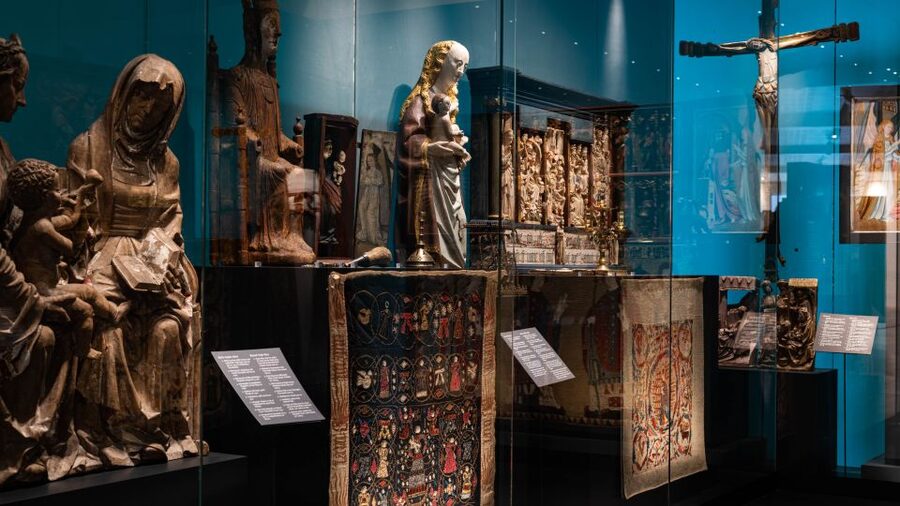
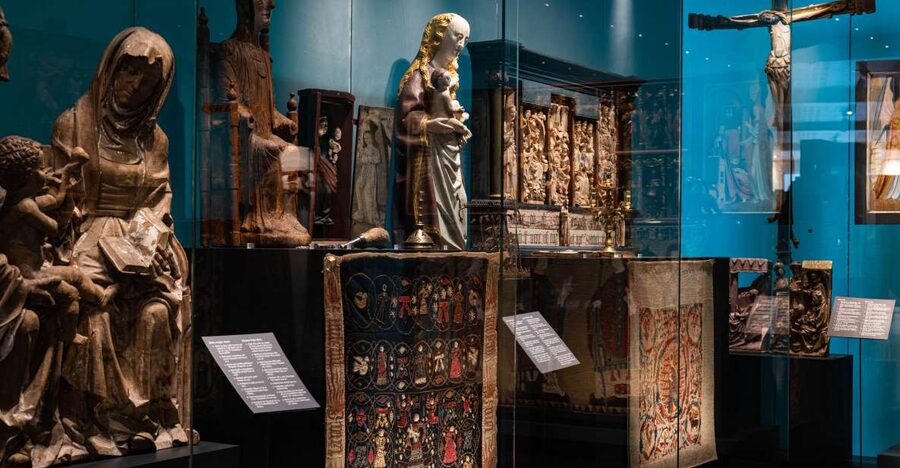
Iceland’s medieval religious material adds a different mood to the visit. Instead of focusing only on settlement and survival, this section shows how Christianity shaped art, learning, buildings, and public life.
The museum includes beautiful artifacts from medieval churches, including triptychs. These pieces help explain the visual world of Iceland before modern mass communication. Religious art was not just decoration. It taught stories, expressed status, and gave communities objects of shared meaning.
The first Bible printed in Iceland, produced in the 16th century, is another major object. It is considered one of the country’s most beautiful printed works. Even if you are not especially interested in religious history, it is worth stopping here because printing changed how ideas and language could be preserved and shared.
This part of the museum also helps correct a common oversimplification. Iceland’s early story was not only about daring settlers and Viking adventure. It was also about institutions, belief, books, art, and the slow work of building a society. The religious objects show a more settled and thoughtful side of medieval Iceland.
Some displays may not provide as much written detail as you want. If you like detailed explanations for every piece, rely on the audio guide and take your time with the larger displays. The collection is strong, but the information beside individual objects can feel uneven.
From isolated island to modern Iceland
As you continue forward, the museum broadens its view. You see photographs from the 20th century along with objects from later periods. The focus shifts from the first settlers and medieval churches to the lives of people in a changing country.
This transition matters because Iceland’s identity did not stop forming in the Viking Age. The country remained relatively isolated, yet it was never cut off from the outside world. New technologies, political changes, trade, and travel altered how Icelanders lived and how they understood their place in the world.
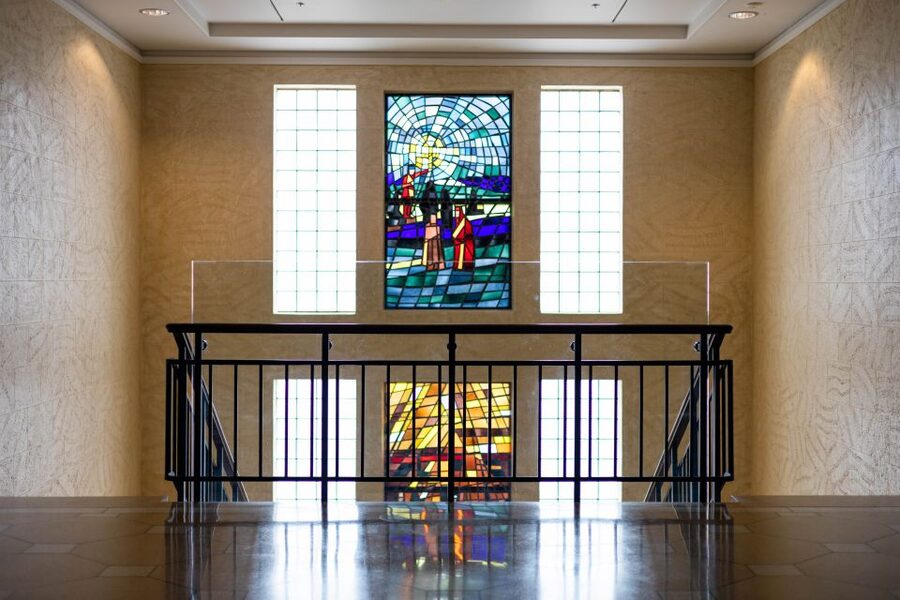
The airport at the end of the exhibition is a smart final image. It links the first ocean crossing with modern air travel. Early settlers arrived by ship after a long and uncertain voyage. Today, the airport connects Iceland to a much larger world. That contrast gives the exhibition a satisfying frame.
If modern history is your main interest, you may want to add Reykjavík’s Maritime Museum to your plans. It offers a different route into Icelandic life, especially the country’s relationship with fishing and the sea. The Maritime Museum’s Cod Wars material is particularly relevant if you want more recent political and economic history.
If early Iceland is your priority, the Settlement Exhibition makes a natural companion. The National Museum gives you the broad national story, while the Settlement Exhibition can give you a more focused look at the earliest period.
Same corner of the island, a completely different day out:
- Reykjavik Food Walk – Local Foodie Adventure in Iceland
★ 5.0 · 18,952 reviews - Iceland: Northern Lights Bus Tour from Reykjavik
★ 4.1 · 11,161 reviews - Reykjavík: Whale Watching and Marine Life Cruise
★ 4.6 · 9,838 reviews - Reykjavik: Sky Lagoon Entrance Pass With 7-Step Spa Ritual
★ 4.8 · 6,166 reviews
How long to spend inside
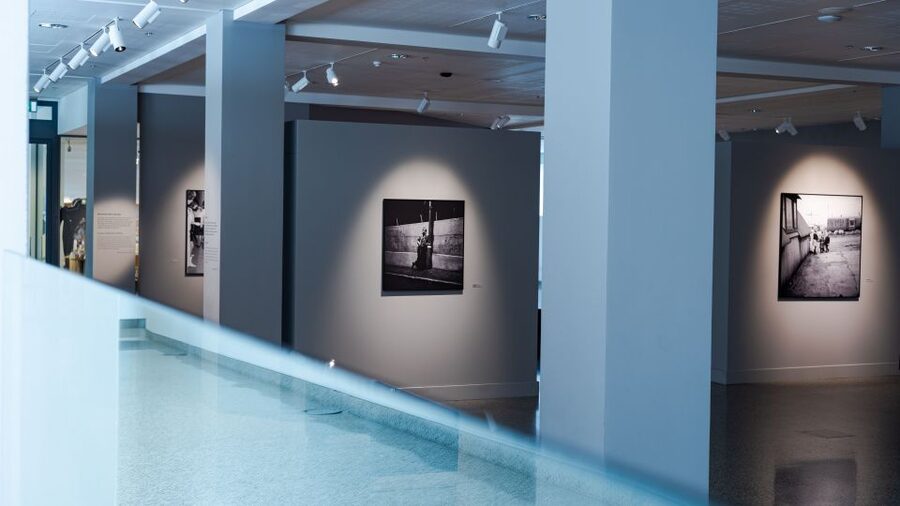
The ticket is valid for 365 days, so you do not need to treat this as a one-shot visit if your plans allow a return. The listed duration refers to ticket validity, not the amount of time you should expect to spend inside on one visit.
For a quick but worthwhile visit, allow about 90 minutes. That gives you time to follow the main timeline, see the best-known objects, and use at least some of the audio guide.
Allow two hours if you want to read more labels, listen to most of the commentary, and spend time with the medieval church material and photographs. History buffs can stay longer, especially when temporary exhibitions are open.
The museum ticket also covers temporary exhibitions. These change over time, but they generally reflect aspects of Icelandic culture. Check what is showing when you visit, since a temporary display may change how much time you want to allow.
The layout can feel spread out. Numbering is not always as easy to follow as it could be, so I suggest starting with the main exhibition’s opening section and watching for the chronological progression. Do not worry if you need to pause and reorient yourself.
Using the audio guide without losing your own pace
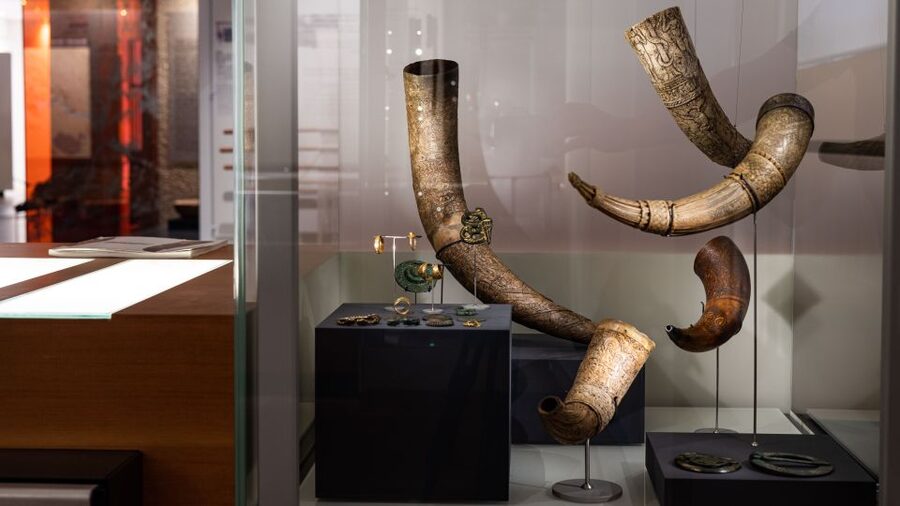
An audio guide can either sharpen a museum visit or turn it into a long march from one number to the next. Here, I would use it selectively.
Begin with the sections that give you the overall timeline. Then listen to the entries for Thor, the Bible, the church objects, and any object that seems important but lacks enough written context. This approach lets you hear the key explanations without spending the whole visit with headphones on.
The guide is available in 10 languages, which makes the museum easier to use for international visitors. English is included, along with Danish, French, Polish, Spanish, Dutch, Swedish, Icelandic, Italian, and Chinese.
You also have Wi-Fi included. That is useful for practical reasons, though the museum’s own guide should remain your main source of information during the visit. The goal is to understand the collection, not to spend your time searching for outside explanations.
I would also leave room for direct observation. Look closely at the materials, scale, wear, and craftsmanship of the objects. The museum gives you context, but the objects themselves can make the past feel more immediate.
What the $20 ticket is worth
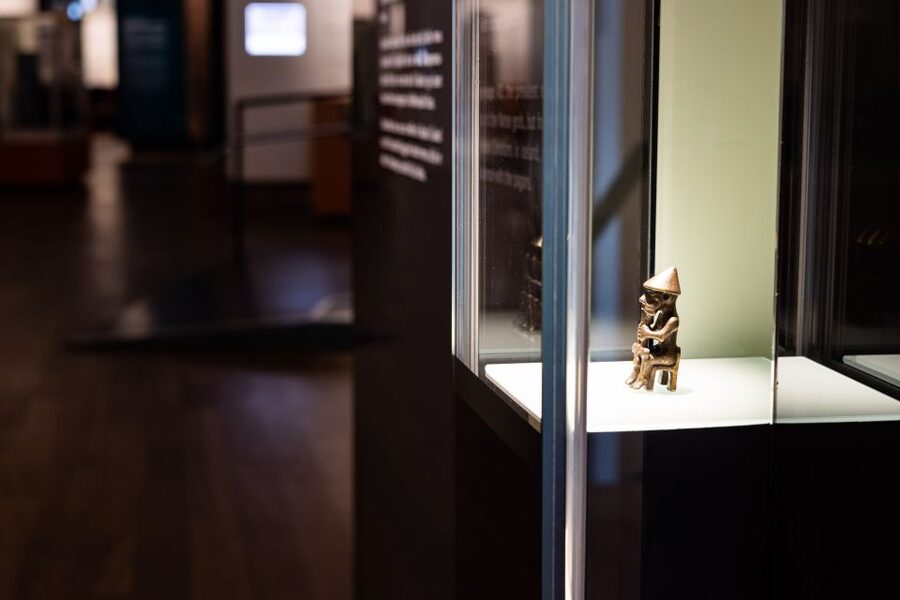
At $20 per person, this is not Iceland’s cheapest indoor stop. Still, the value is reasonable if you plan to spend at least 90 minutes inside and care about the country beyond its scenery.
The price includes the permanent exhibition, temporary exhibitions, the audio guide, and Wi-Fi. It also includes skip-the-ticket-line access, which can save a little time at reception. Transportation is not included, so you need to make your own way to the museum in Reykjavík.
The long validity period improves the value. A 365-day ticket gives you flexibility if your schedule changes or if you want to return during a longer stay. You should still check availability for starting times when booking.
The museum shop adds another useful stop. It sells exclusive replicas of archaeological finds, giving you a chance to take home something linked to the collection rather than a generic souvenir.
I would call the ticket good value for adults interested in history, archaeology, religion, or Icelandic culture. It is less compelling if you only want a quick Viking-themed attraction and do not plan to read or listen to the material. The museum aims to explain a nation over many centuries, not provide a short spectacle.
Family visits and accessibility
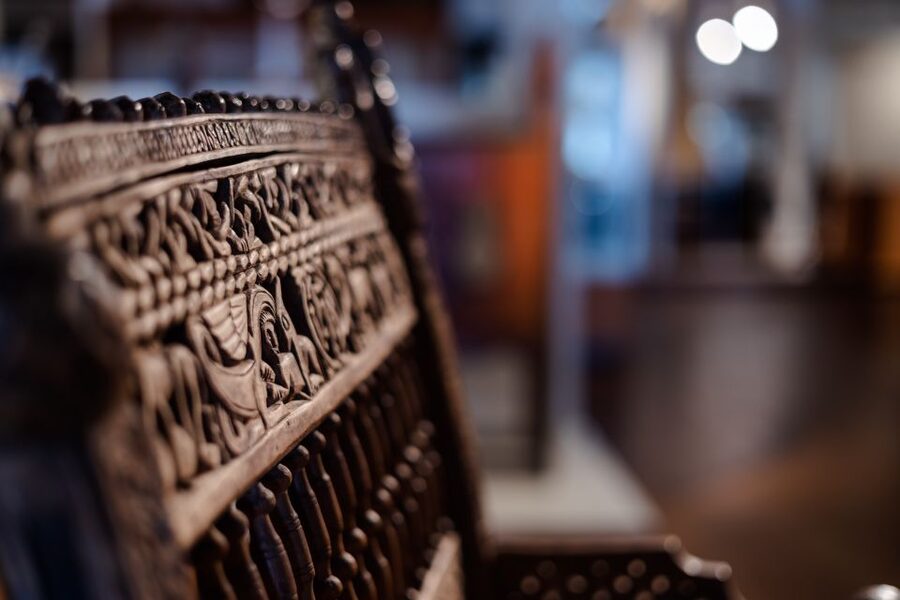
The museum is wheelchair accessible, which is important for visitors who need step-free access. Large bags and luggage are not allowed, so do not plan to arrive with your full airport load.
The subject matter can work well for older children, particularly those interested in ships, warriors, gods, books, or archaeology. Younger children may find the amount of reading and the long timeline tiring. If you bring children, focus on the Thor figure, the settlement ship, the visual church art, and the modern airport ending.
Interactive elements are present, which can help break up the written material. Still, this is mainly a museum for looking, listening, and thinking. It is not designed as a high-energy family attraction.
Sunday can be an interesting day to visit because local cultural events may add a little extra life to the setting. Traditional dress has appeared during visits, though you should not treat that as a guaranteed part of the ticket.
Practical booking details
Show your ticket at the reception desk of the National Museum of Iceland. Transportation is not provided, and large bags or luggage are not permitted.
You can cancel up to 24 hours in advance for a full refund. A reserve-now, pay-later option is available, which helps if your Reykjavík plans are still shifting.
The ticket is valid for 365 days. Since the stated validity is unusually long, check the available starting times and make sure you understand how the ticket applies to your chosen visit.
The experience is wheelchair accessible. If you need more specific access information, confirm details with the museum before you go.
Should you book the National Museum of Iceland?
Book it if you want a serious introduction to Iceland’s past, especially if this is your first visit to Reykjavík. The museum brings together settlement, Norse belief, Christianity, books, church art, photographs, and modern travel in one useful route.
I especially recommend it on a rainy day, or before you visit sites connected with Iceland’s early history. Pair it with the Settlement Exhibition for more on the first settlers, or with the Maritime Museum for fishing, sea travel, and the Cod Wars.
Skip it only if your schedule is extremely tight and you prefer outdoor sights above all else. The museum asks for attention, and some displays could explain individual objects more fully. But if you can spare 90 minutes and want to understand Iceland as a country rather than just a scenic destination, the $20 ticket earns its place in your Reykjavík plans.
FAQ
Where is the National Museum of Iceland?
The museum is in Reykjavík, in Iceland’s Capital Region. You show your ticket at the reception desk when you arrive.
How much does entry cost?
The listed price is $20 per person.
How long is the ticket valid?
The ticket is valid for 365 days. This is the ticket’s validity period, not a required length of stay inside the museum.
What does the museum exhibition cover?
The permanent exhibition follows Icelandic history from the Settlement Age to the present day. It includes about 2,000 artifacts and 20th-century photographs.
What notable objects can I see?
The collection includes a figure of Thor dated to around the year 1000, the first Bible printed in Iceland from the 16th century, medieval church artifacts, and the ship connected with the settlement story.
Is an audio guide included?
Yes. An audio guide is included in English, Danish, French, Polish, Spanish, Dutch, Swedish, Icelandic, Italian, and Chinese.
Are temporary exhibitions included?
Yes. Your ticket includes access to temporary exhibitions as well as the permanent exhibition. The temporary displays change over time and generally focus on Icelandic culture.
Can I bring luggage or a large bag?
No. Luggage and large bags are not allowed. The museum is wheelchair accessible, and Wi-Fi is included.
Just added around Reykjavik
- Reykjavik: Whale and Puffin Watching RIB Boat Tour★ 4.6 · 179 reviews
- Reykjavik: Whale Watching & Lava Show★ 5.0 · 4 reviews
- Reykjavik: Whale & Marine Adventure Tour★ 4.3 · 71 reviews
- Reykjavik: Whale Watching Express★ 4.3 · 227 reviews
- From Reykjavík: Viking Horseback Tour in Hafnarfjörður★ 4.9 · 112 reviews
- Reykjavík: Horse Riding Tours★ 4.9 · 127 reviews
- The Siggi Tour from Reykjavík: 1.5 to 2-Hour Ride★ 4.5 · 27 reviews
- Icelandic Horse Riding and Whale Watching Cruise from Reykjavík★ 4.0 · 14 reviews
Museums, compared.

Perlan Museum Wonders of Iceland Entrance Ticket
Read our review →
Hop-On Hop-Off Bus and Perlan Museum Entry Ticket
Read our review →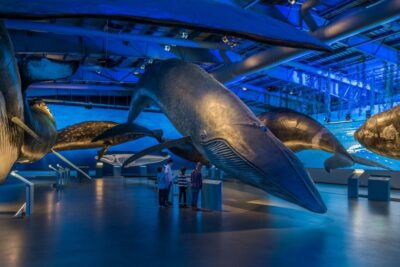

Aurora Reykjavík, The Northern Lights Center Museum Visit
Read our review →
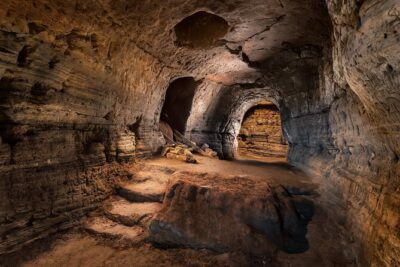
Ancient Historical Site Tour at the Caves of Hella
Read our review →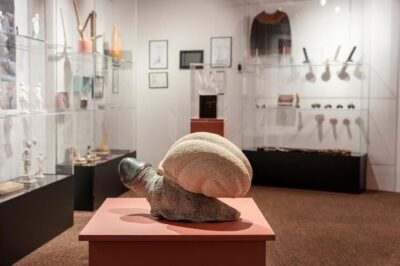
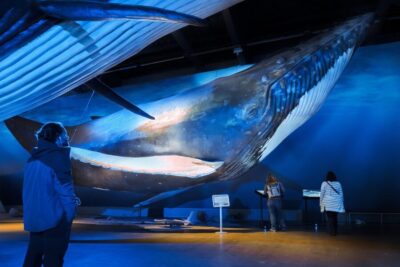
Whale Watching Tour, Whales of Iceland Exhibition
Read our review →Browse the lists this tour appears in