
Reviewed · REYKJAVIK TOURS
Reykjavík City Card
Reykjavík’s City Card turns a costly day in Iceland’s capital into a flexible museum, swimming, and bus pass. The National Museum, Settlement Exhibition, Maritime Museum, and several art museums are included, along with eight city pools and the ferry to Viðey Island.
I like the card for two clear reasons: it encourages you to try smaller museums, and its unlimited bus access helps connect places that are not pleasant to reach on foot in cold or wet weather. The main catch is timing. You must exchange your digital voucher for the physical card before using it, and its clock starts then.
- Eight geothermal pools are included, giving you a local alternative to Iceland’s pricier bathing venues.
- The National Museum and Settlement Exhibition provide the strongest introduction to Icelandic history.
- Unlimited city buses make the card more useful when museums and pools are spread across Reykjavík.
- Viðey Island ferry service adds a simple escape from the city, though weather can cancel sailings.
- Museum entry is free for under-18s, but children still pay on buses, at pools, and at the zoo.
- A 48-hour or 72-hour card works best if you plan several museums, bus rides, and a swim.
What the Reykjavík City Card Really Includes
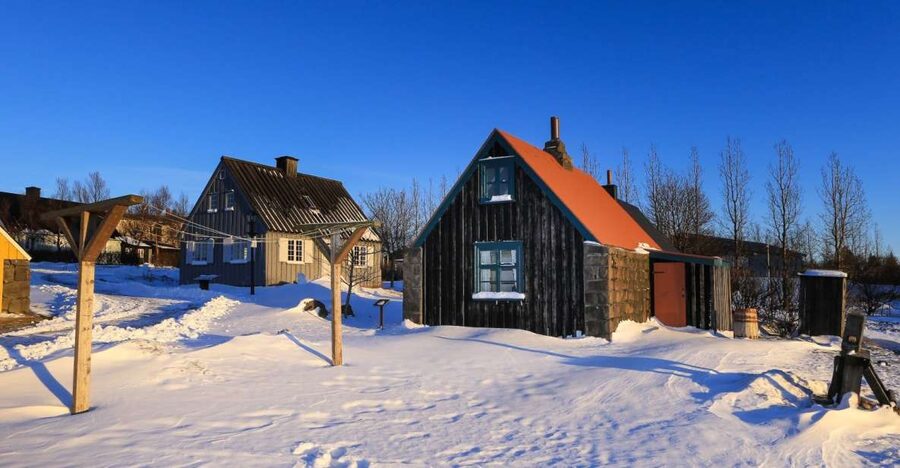
The Reykjavík City Card is less a guided tour than a self-directed pass. You choose the museums, galleries, pools, and bus trips that fit your day, then show the card at each entrance.
The card is available for one, two, or three days, with the price listed at $40 per person. Since Iceland is expensive, the value can add up quickly. One major museum, another smaller museum, a public pool, and several bus rides may bring the cost close to the purchase price. Add the Viðey ferry or a third museum, and the pass becomes much more attractive.
I would not buy it simply because you are in Reykjavík. If your plan is mostly walking, eating, and taking organized excursions outside the city, you may not use enough of the inclusions. If you enjoy museums and want a local swim, it can pay for itself surprisingly fast.
The biggest practical detail is easy to miss: your digital voucher is not the card. You must exchange it at one of the listed pickup locations. Only then can you use the pass, and the validity period begins when the physical card is issued.
Picking Up the Card at a Museum
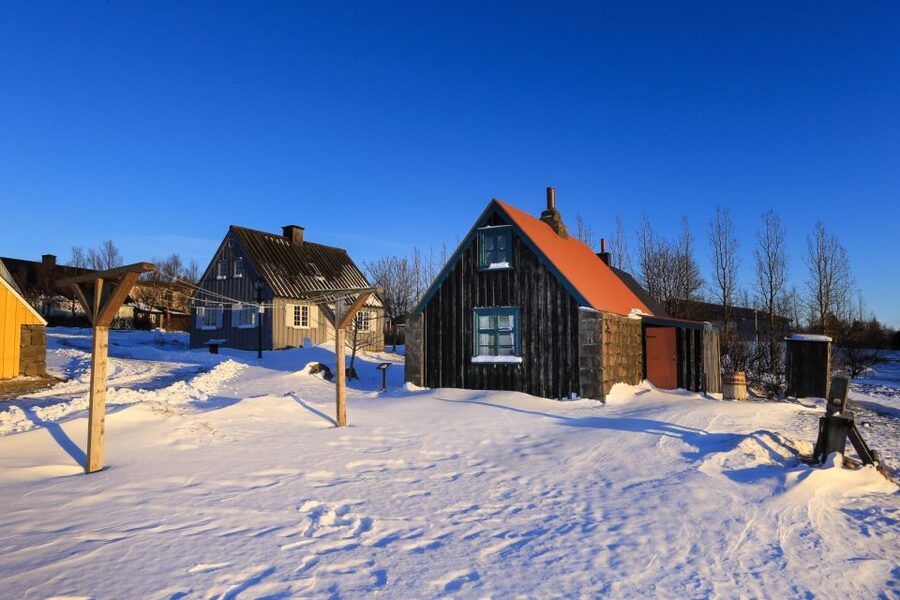
You can collect the card at several Reykjavík City Museum and Reykjavík Art Museum locations. Pickup points include:
- Reykjavík Art Museum Ásmundarsafn
- Reykjavík Art Museum Hafnarhús
- Reykjavík Art Museum Kjarvalsstaðir
- Árbær Open Air Museum
- Maritime Museum
- Museum of Photography
- Settlement Exhibition
The central museums are usually the easiest starting points. Hafnarhús, the Maritime Museum, and the Settlement Exhibition open from 10:00 to 17:00. Several other locations open from 13:00 to 17:00. Holiday hours can change.
This matters if you arrive late or have only one day. A 24-hour card picked up at 3:00 p.m. gives you less useful sightseeing time than one collected in the morning. I would choose the pickup point closest to your first planned stop, not simply the most famous museum.
One practical weakness is that you cannot collect the card at your hotel according to the information provided. If your hotel is outside the central area, you may need to use a bus or walk to a museum first. Plan that initial trip before counting on the card for transportation.
A few more Reykjavik days worth weighing up
- Reykjavik Food Walk – Local Foodie Adventure in Iceland
★ 5.0 · 18,952 reviews - Iceland: Northern Lights Bus Tour from Reykjavik
★ 4.1 · 11,161 reviews - Reykjavík: Whale Watching and Marine Life Cruise
★ 4.6 · 9,838 reviews
The National Museum and Settlement Exhibition
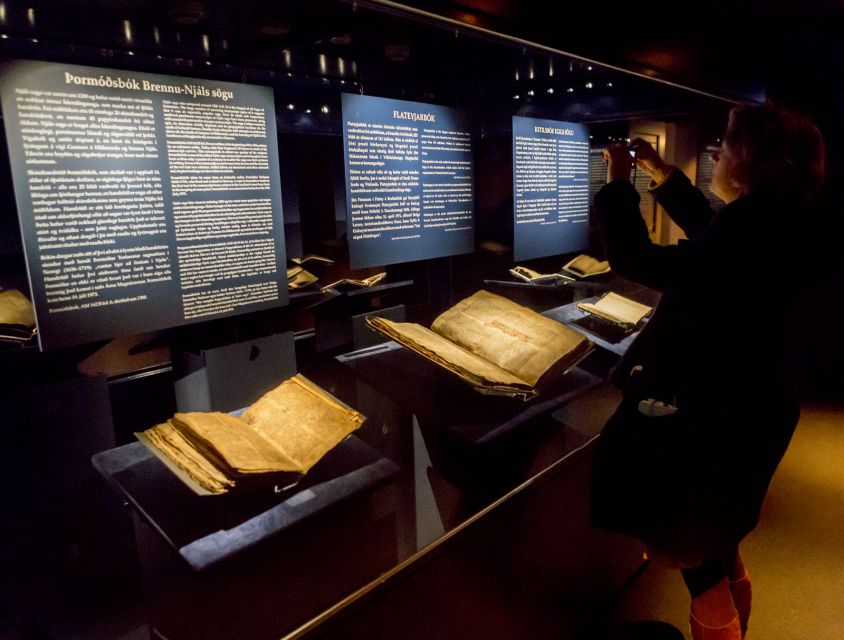
For a first visit, I would begin with the National Museum of Iceland. It gives you a broad introduction to the country, from early settlement through later periods, and helps put the rest of Reykjavík into context.
The museum is especially useful if you are spending only a day in the city. You can learn about Iceland’s past before visiting sites such as the Settlement Exhibition, where the story becomes more local and specific.
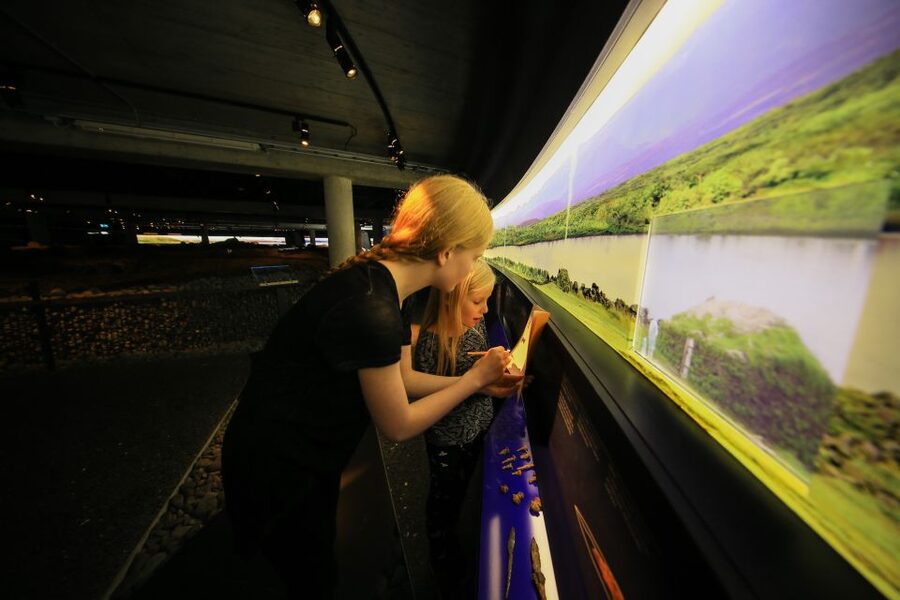
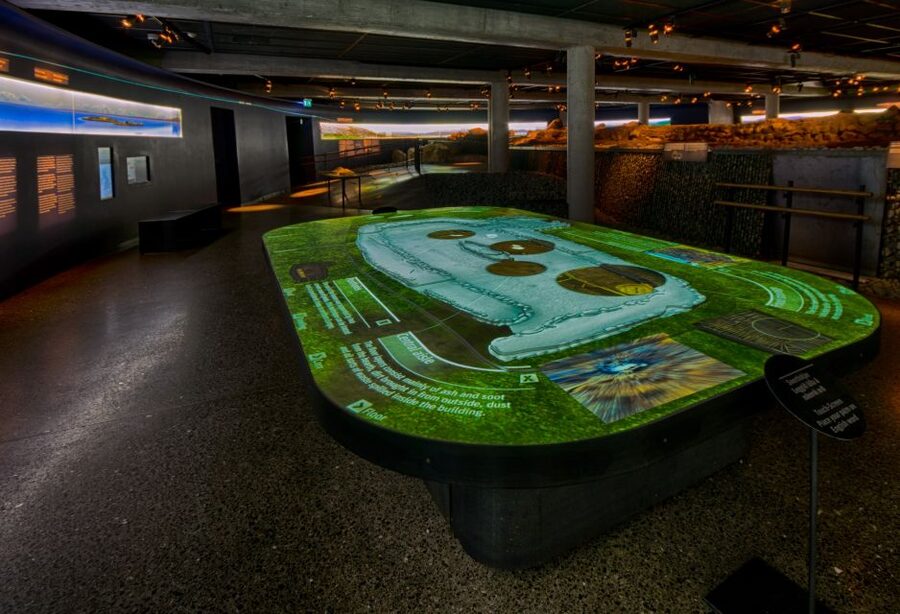
The Settlement Exhibition is built around an archaeological site in central Reykjavík. Its focus on the earliest settlement gives you a direct connection to the city beneath your feet. It is compact, so you can visit it without sacrificing several hours of your day.
These two museums work well together. The National Museum gives you the wider story, while the Settlement Exhibition narrows the focus to Reykjavík’s beginnings. If you are choosing only two history museums, I would put these at the top of the list.
Maritime Museum and the City’s Working Waterfront

The Maritime Museum is another strong choice, especially if you want to understand how Iceland’s relationship with the sea shaped daily life and the economy.
The museum is located near the harbor, making it easy to pair with a walk along the waterfront. It provides a useful counterpoint to the National Museum. Instead of concentrating on settlement and national history, it looks toward fishing, seafaring, and the importance of the ocean.
I would allow enough time to read the displays rather than rushing through it as a quick indoor stop. It is also a good rainy-day choice. Reykjavík’s weather can change quickly, and the City Card gives you permission to move between museums without worrying about paying another entrance fee each time.
Three Reykjavík Art Museum Locations
The Reykjavík Art Museum operates at three locations, each with a different feel:
- Hafnarhús, in the harbor area, focuses on modern and contemporary art.
- Kjarvalsstaðir presents Icelandic art and is associated with one of the country’s best-known artists, Jóhannes S. Kjarval.
- Ásmundarsafn is devoted to the work of sculptor Ásmundur Sveinsson and is housed in his former studio.
Kjarvalsstaðir received particularly strong praise from people who used the card, while reactions to the art museum experience can vary. That is normal with contemporary art. I would not force yourself to visit all three unless you genuinely enjoy galleries.
The advantage of the pass is that you can make a quick visit. If one exhibition does not appeal to you, move on without feeling that you have wasted the price of a separate ticket. The three locations also give you a reason to see different parts of the city.
Same corner of the island, a completely different day out:
- Reykjavik: Sky Lagoon Entrance Pass With 7-Step Spa Ritual
★ 4.8 · 6,166 reviews - Reykjavík Small group Walking Tour – by CityWalk
★ 5.0 · 5,076 reviews - Reykjavik: FlyOver Iceland Entry Ticket
★ 4.7 · 3,499 reviews - Reykjavik: LAVA SHOW – Immersive Experience Entry Ticket
★ 4.8 · 3,360 reviews
Photography, Culture House, and Smaller Museums
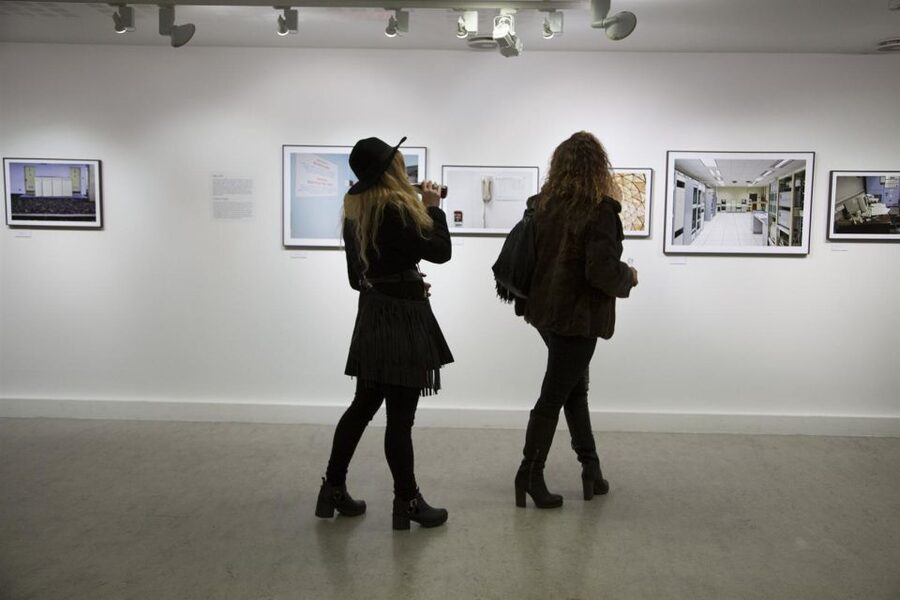
The Museum of Photography is a good stop when you want something more focused than a national museum. Exhibitions change, so the appeal depends partly on what is showing during your visit. It fits neatly into a central walking route and does not require a major time commitment.
The Culture House adds another cultural stop and can be especially useful if you want to see changing exhibitions in a historic setting. It has been a favorite for some visitors who used the card, but you should check the current displays if you are choosing between several museums.
The Sigurjón Ólafsson Museum focuses on the work of the Icelandic sculptor and is included. Gerðarsafn Museum, in nearby Kópavogur, and the Natural History Museum of Kópavogur broaden the pass beyond central Reykjavík.
These outlying museums make the bus inclusion more valuable. If you only visit central museums, you can often walk between several of them. If you add Árbær, Kópavogur, or a swimming pool farther from the center, the card starts doing more work for you.
Árbær Open Air Museum: A Change of Pace
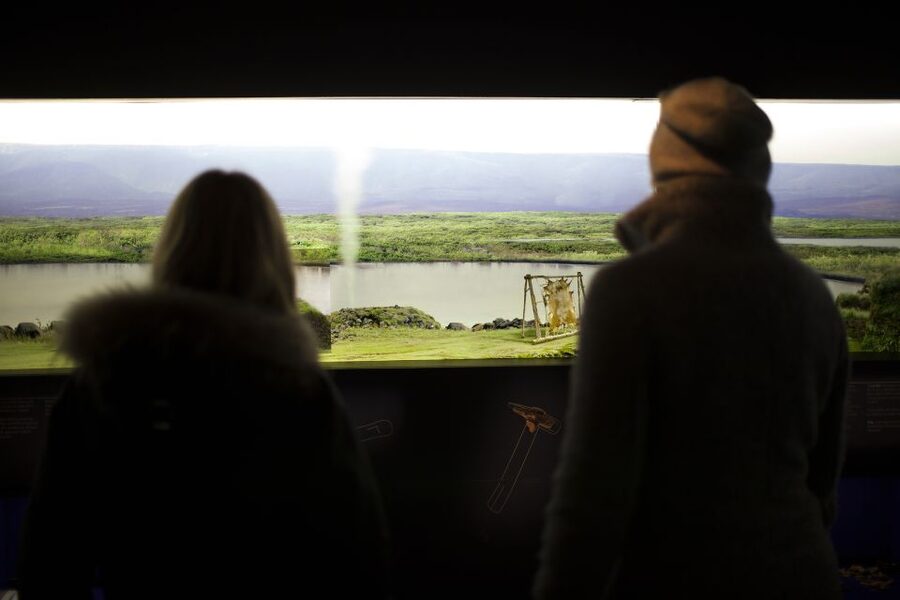
The Árbær Open Air Museum is one of the most distinctive entries on the pass. Instead of a standard indoor gallery, it presents historic buildings and a former farm setting.
You can walk among old houses and see how earlier Icelandic life is presented through buildings, domestic spaces, and outdoor displays. It provides a welcome change after several indoor museums, particularly in good weather.
Its location outside the center means you will probably want the bus. That makes Árbær a useful test of whether the pass suits your plans. If you want a mix of history, architecture, and outdoor walking, include it. If your visit is short and centered around the harbor, it may take too much time to reach.
Eight Geothermal Pools and the Local Swimming Habit
The City Card includes admission to eight geothermal swimming pools in Reykjavík. This is one of its most appealing features, but it is important to understand what kind of bathing experience you are getting.
These are city pools, used as part of everyday life in Reykjavík. They are not the same as a premium spa visit, and the card does not cover geothermal pools in surrounding municipalities. Still, a warm pool, hot tub, or sauna can be exactly what you need after a cold day of walking between museums.
Most pools have different weekday and weekend hours. Check the hours before setting out, especially if swimming is the main reason you are buying the card. Renovation closures can also affect individual pools, so keep a second option in mind.
The pool inclusion is particularly valuable on a two or three-day pass. You might spend one day on museums, another on neighborhoods and the waterfront, then use a pool in the evening. With a one-day pass, the pool works best when it is close to your museum route.
Children aged six and older pay entrance fees at the thermal pools. The same age rule applies to the Reykjavík Zoo and Family Park, even though museums are free for those under 18.
Viðey Island Ferry: A Weather-Dependent Bonus

The card includes a ferry ride to Viðey Island, a short escape from the city that adds fresh air and open space to a museum-heavy schedule.
Viðey is best treated as a bonus rather than the foundation of your plan. Ferry service depends on weather, and poor conditions can lead to cancellations. If you have only one day in Reykjavík, do not build your entire itinerary around the crossing.
If conditions cooperate, the ferry gives you a different view of the capital and a break from traffic and indoor exhibits. Pair it with nearby harbor museums, but leave enough flexibility for sailing times. It is not simply another museum entrance. It is an opportunity to see the city from the water and spend time outside.
Getting Around Reykjavík by Bus
Unlimited access to Reykjavík city buses may be the card’s most useful feature in winter. Museums are often close enough to walk between, but pools, Árbær, and museums in Kópavogur can be spread out.
Google Maps can help plan routes, and the Klapp bus app is useful for checking schedules and stops. Printed maps are not a strong point of the pass, so you may need your phone to plan efficiently.
Allow extra time. Bus service can be convenient, but schedules are not always perfect, and some stops can be confusing at first. Drivers may not provide much route advice, so check the direction and stop name before boarding. Reykjavík buses can also move quickly and brake firmly, so sit down or hold on.
The bus benefit is less important if you are staying in the center and visiting only nearby museums. It becomes a major part of the value if your accommodation is on the outskirts or if you want to combine several distant locations.
Discounts Beyond Free Admission
The card includes discounts for selected services, tours, and shops. The exact discounts can change, so treat them as an extra rather than a reason to buy the pass.
Discounts have been available at some privately operated museums and attractions, including places such as the Phallological Museum and Perlan. These venues are not generally part of the free museum admission list, so check the current terms before planning your budget around them.
The card also does not cover every private museum or gallery in Reykjavík. It is strongest for the municipal and national institutions listed above, not as an all-access pass for every paid attraction in the capital.
How to Get Your Money’s Worth
I would use the card in one of three ways.
For a one-day visit, start early at the National Museum or Settlement Exhibition, visit the Maritime Museum or an art museum, then use a city pool. Add bus rides or the ferry if timing allows.
For a two-day visit, spend one day on central museums and one day on Árbær, Viðey, a Kópavogur museum, or a pool. This pace is easier and lets you enjoy the exhibits instead of racing through them.
For a three-day visit, mix museums with swimming and bus trips. A longer pass gives you time to include places you might otherwise skip, such as Ásmundarsafn, Gerðarsafn, or the Natural History Museum of Kópavogur.
The card is also useful because it removes small decisions. You do not have to ask yourself if a modest museum is worth another entrance fee. You can step inside for 20 minutes, stay longer if you like it, and move on if you do not.
Who Should Buy the Reykjavík City Card?
I would recommend it to you if you enjoy museums, want to use public buses, and like the idea of a local geothermal swim. It is also a strong choice for a rainy day, when several indoor museums can fill a schedule without requiring separate payments.
Families should calculate carefully. Museum admission is free for children under 18, but children aged six and older still pay for buses, pools, and the zoo. Seniors aged 67 and older receive 50 percent off at the National Museum, Culture House, and National Gallery, so compare those discounts with the card price.
You may want to skip it if you plan only one museum, walk everywhere, or spend most of your time on excursions outside Reykjavík. The pass does not cover geothermal pools in nearby municipalities or every private attraction.
Cancellation is available up to 24 hours before the activity for a full refund, and reserve-now, pay-later booking is offered. The practical issue remains the activation time: pick up the physical card when you are ready to start using it.
Should You Book It?
Book the Reykjavík City Card if you can name at least two or three included museums, one city pool, or several bus journeys that you genuinely want to use. The National Museum, Settlement Exhibition, Maritime Museum, and a geothermal pool can make the $40 price reasonable, with the ferry and bus rides adding more value.
For a short visit, buy the shortest period that matches your schedule and collect it early. For two or three days, the card gives you room to visit smaller museums, take a swim, and adjust your plans when weather changes.
It is not a magic pass for all of Reykjavík. It is a practical cultural and transport card, and it rewards visitors who plan a little before picking it up.
FAQ
How long is the Reykjavík City Card valid?
The card is available for one, two, or three days. Its validity begins when you exchange the digital voucher for the physical card.
Where do I collect the physical card?
You can exchange the voucher at participating Reykjavík Art Museum and Reykjavík City Museum locations, including Hafnarhús, Kjarvalsstaðir, Ásmundarsafn, the Maritime Museum, the Settlement Exhibition, the Museum of Photography, and Árbær Open Air Museum.
Does the card include Reykjavík buses?
Yes. It provides unlimited travel by city bus within the Reykjavík capital area for the card’s validity period.
Are children admitted free to the included museums?
Museum admission is free for those under 18. Children aged six and older still pay fees on city buses, at geothermal pools, and at the Reykjavík Zoo and Family Park.
Does the card include all geothermal pools near Reykjavík?
No. It includes eight geothermal pools in Reykjavík, but not pools in surrounding municipalities.
Is the ferry to Viðey Island included?
Yes. The Reykjavík City Card includes a ferry ride to Viðey Island. Ferry service can be affected by weather.
Can I use the card at privately owned attractions?
Privately owned museums and galleries are not included for free. Some private attractions and services may offer discounts, but the exact discounts can vary.
Just added around Reykjavik
- Reykjavik: Whale and Puffin Watching RIB Boat Tour★ 4.6 · 179 reviews
- Reykjavik: Whale Watching & Lava Show★ 5.0 · 4 reviews
- Reykjavik: Whale & Marine Adventure Tour★ 4.3 · 71 reviews
- Reykjavik: Whale Watching Express★ 4.3 · 227 reviews
- From Reykjavík: Viking Horseback Tour in Hafnarfjörður★ 4.9 · 112 reviews
- Reykjavík: Horse Riding Tours★ 4.9 · 127 reviews
- The Siggi Tour from Reykjavík: 1.5 to 2-Hour Ride★ 4.5 · 27 reviews
- Icelandic Horse Riding and Whale Watching Cruise from Reykjavík★ 4.0 · 14 reviews
Reykjavik Tours, compared.

Reykjavik Food Walk – Local Foodie Adventure in Iceland
Read our review →

Sky Lagoon Entrance Pass With 7-Step Spa Ritual
Read our review →
Reykjavík Small group Walking Tour – by CityWalk
Read our review →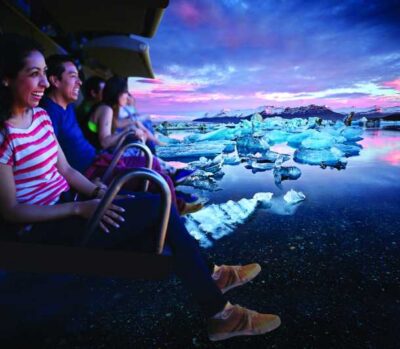

LAVA SHOW – Immersive Experience Entry Ticket
Read our review →