Reviewed · REYKJAVIK TOURS
The Icelandic Storyteller
Iceland’s old stories are not presented here as dry museum facts. You sit in a cozy baðstofa, the traditional Icelandic sitting room, while a storyteller brings sagas, folklore, and early settler life into the room. I like the intimate setting and the way the program links harsh winters and isolation to Iceland’s strong literary tradition.
I also like that you get more than a lecture. You hear about 20 stories, ask questions, and receive a drink before the experience begins. The main drawback is that the small setting can feel quieter than some people expect, and a few tales may be scary for young children.
Key points
- Traditional baðstofa setting: Hear the stories in a local-style sitting room rather than a large theater.
- Twenty Icelandic stories: The program moves across sagas, folklore, history, and the country’s creative tradition.
- A storyteller-led evening: The guide may be Paul, whose wide knowledge and easy conversation can make the session feel personal.
- One drink included: Choose wine, beer, soda, coffee, or cocoa before the storytelling starts.
- Good rainy-day choice: The 90-minute indoor format fits neatly into a Reykjavik evening.
- A little spooky at times: Parents should know that some stories can unsettle young children.
A baðstofa instead of a tour bus
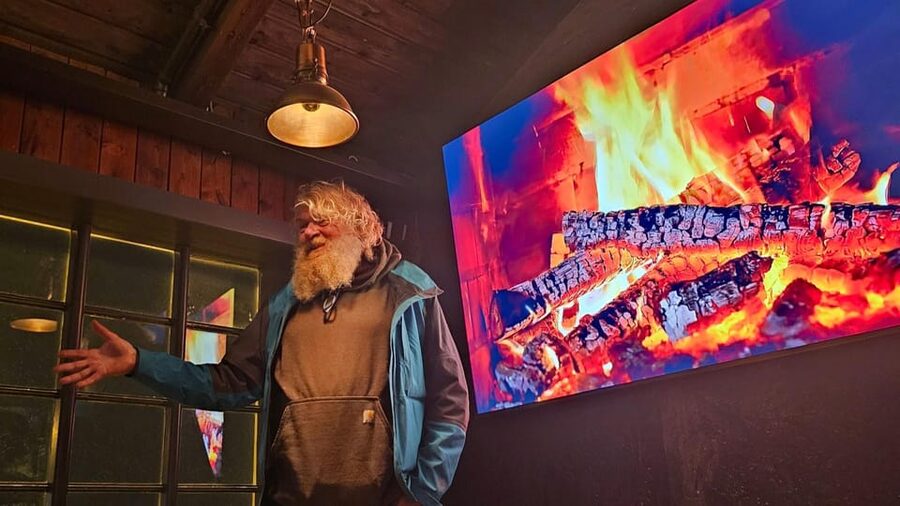
The Icelandic Storyteller takes place in a traditional baðstofa, a sitting room designed for conversation and shared time. That choice shapes the whole experience. You are not moving from one sight to another. You are settling in, listening closely, and allowing the guide to build a picture of Iceland through words.
For a country often associated with waterfalls, volcanoes, and outdoor trips, this is a useful change of pace. The focus here is on the people who lived with long winters, difficult travel, isolation, and limited entertainment. Storytelling was not a side activity. It helped preserve memory, pass time, explain the unknown, and pass values from one generation to the next.
The setting also makes the event feel more personal than a standard history presentation. You can ask questions as the session develops, and the format leaves room for discussion about how old stories still matter in Iceland today. That is especially useful if you want cultural context, not just a list of dates and names.
You should arrive at Old Harbour House 30 minutes before the scheduled start. The early check-in matters because the experience is meant to begin on time, and the storytelling works best when the room settles together.
A few more Reykjavik days worth weighing up
- Reykjavik Food Walk – Local Foodie Adventure in Iceland
★ 5.0 · 18,952 reviews - Iceland: Northern Lights Bus Tour from Reykjavik
★ 4.1 · 11,161 reviews - Reykjavík: Whale Watching and Marine Life Cruise
★ 4.6 · 9,838 reviews
Your first drink and the opening stories
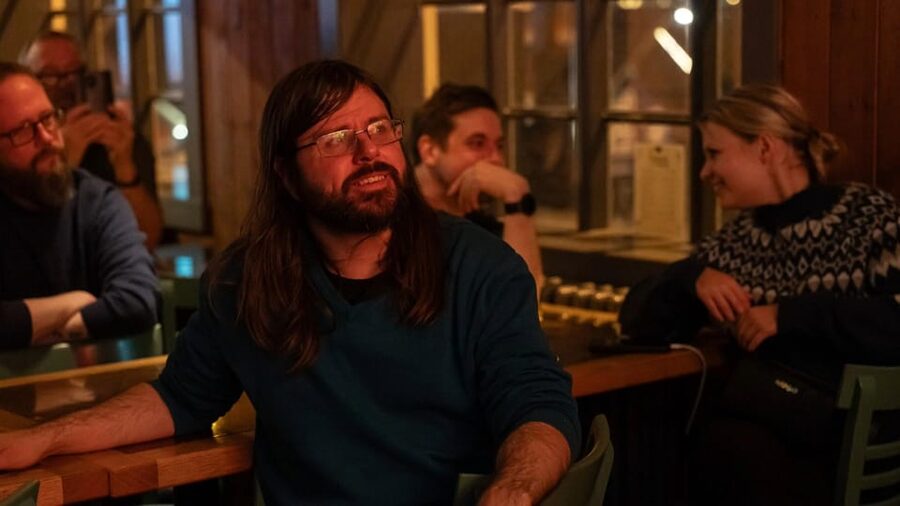
Before the storytelling begins, you receive one drink. Your choices are a glass of wine, beer, soda, coffee, or cocoa. Food is not included, so think of this as a welcome drink rather than part of a meal.
That small detail helps set the mood. Coffee or cocoa suits a quiet afternoon or an early evening. Beer or wine may fit better if you are using the experience as a relaxed night out. If you need dinner, eat before or after, since the program does not provide food.
The opening portion introduces the purpose of the session. You learn why storytelling became so important in Iceland and how the country’s early settlers shaped a culture that prized memory, wit, endurance, and verbal skill. The guide explains how difficult conditions encouraged people to keep stories alive indoors, where families and neighbors could gather.
Do not expect a formal chronological lecture. The program is built around stories, with context supplied along the way. That makes it easier to remember the feeling of Icelandic culture, though you may not retain every name or detail by the end. One attendee described the guide as someone who could talk on almost any subject, which gives you a good idea of the conversational style.
Twenty stories from early Iceland to today
The heart of the experience is a set of 20 stories that carry you across Iceland. The material draws from ancient sagas, folklore, early settlement, and the country’s continuing literary life.
The sagas are valuable because they reveal more than dramatic plots. They offer clues about family loyalty, revenge, social pressure, courage, and the rules that helped small communities function. You may hear tales that are funny, strange, or unsettling. Together, they show how Icelanders used storytelling to examine human behavior as much as to entertain.
Folklore adds another layer. Some stories can produce goosebumps, and that is part of the appeal. Icelandic tales often make the natural world feel uncertain and full of possibility. The guide uses these stories to show how people tried to understand forces beyond their control.
The early settlers also come into focus. Rather than treating settlement as a simple arrival story, the presentation looks at the lives, values, and creativity of the people who made a home in a difficult place. You gain a sense of why spoken and written stories became such a lasting part of Icelandic identity.
The final connection is to modern Iceland. The point is not that the country stopped telling sagas centuries ago. The same interest in language, character, and imagination continues in modern writing and everyday culture. That link between old tales and present-day Iceland is one of the strongest reasons to book this experience.
Why the storyteller matters more than the room
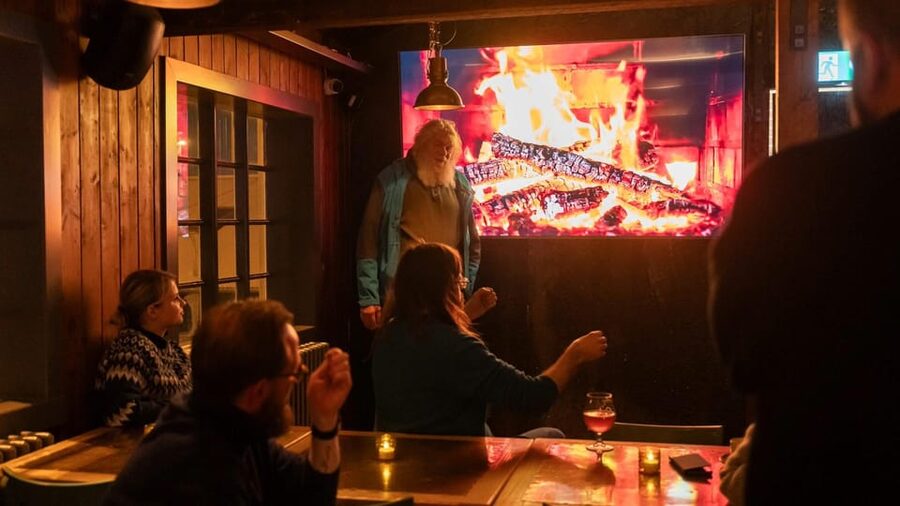
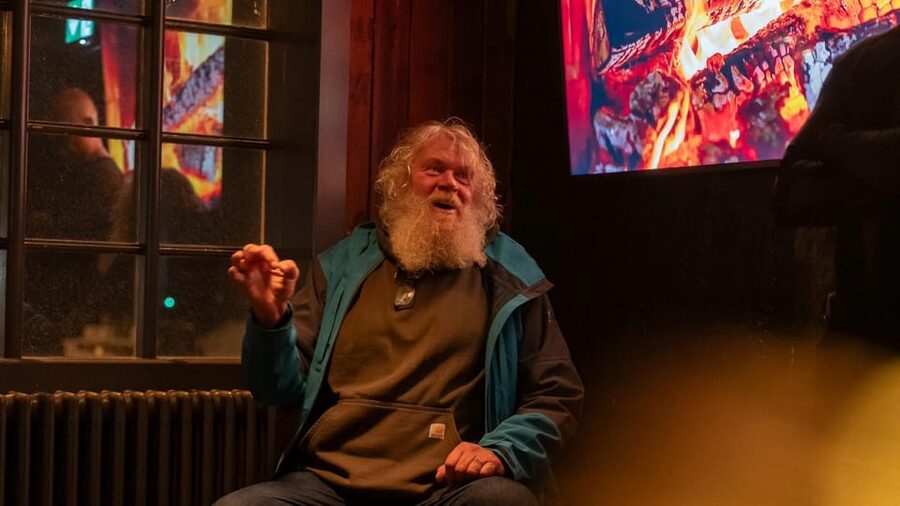
With a storytelling program, the guide is the main attraction. The name attached to the experience may be Paul, though the available information does not guarantee that he will lead every session. If Paul is your storyteller, expect an energetic speaker who can connect Icelandic history with wider cultural questions and keep a conversation moving.
This is not a hands-off audio presentation. The guide speaks directly to the room and welcomes questions. That gives you a chance to ask about a story, clarify a cultural point, or discuss how Iceland developed from its early settlement period into the modern country you see today.
The conversational style can be a strength and a small risk. If you enjoy an enthusiastic guide who follows an interesting question, you may find the session especially rewarding. If you prefer a tightly timed script with a fixed amount of information, the talk may feel more free-form.
The experience has received a 4.7 rating from seven reviews, and the strongest praise centers on the storytelling itself. The most useful takeaway is simple: book this for the guide’s voice and interpretation, not because you want a visual attraction or a tightly staged performance.
Same corner of the island, a completely different day out:
- Reykjavik: Sky Lagoon Entrance Pass With 7-Step Spa Ritual
★ 4.8 · 6,166 reviews - Reykjavík Small group Walking Tour – by CityWalk
★ 5.0 · 5,076 reviews - Reykjavik: FlyOver Iceland Entry Ticket
★ 4.7 · 3,499 reviews - Reykjavik: LAVA SHOW – Immersive Experience Entry Ticket
★ 4.8 · 3,360 reviews
A quiet group can be part of the appeal
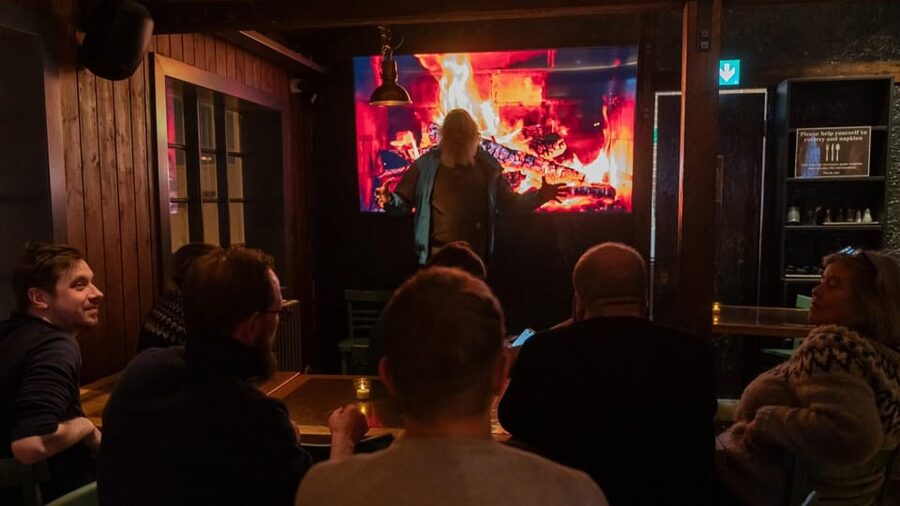
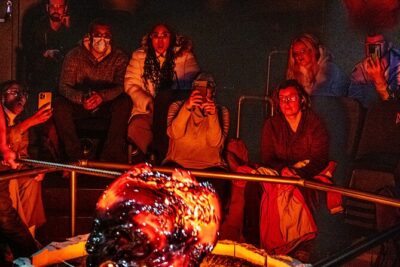
The baðstofa setting is intimate, but that also means the room may not feel busy. One person found the event less full than expected but still considered it good. You should read that in two ways.
A smaller group can make it easier to hear, ask questions, and speak with the guide. It may also make the evening feel more like a private cultural session than a major tourist production. On the other hand, if you expect a lively crowd reacting together to every spooky tale, the quiet atmosphere may feel restrained.
Your own travel style matters here. I would choose this for a calm evening after a day outside, especially when you want to sit down and think about what you have seen in Iceland. I would not choose it if you need constant movement, big scenery, or a social party mood.
The 90-minute length is well judged for the subject. It is long enough to build a real sense of Icelandic storytelling without taking up an entire evening. You still have time for dinner, a walk through downtown Reykjavik, or another activity before or afterward.
What the price means at $66
At $66 per person, this is not a bargain if you judge it as a drink and a short talk. The included beverage has modest value, and food is not part of the price. You are paying mainly for the guide, the prepared selection of stories, the local setting, and the chance to ask questions.
The price makes more sense if you already plan to visit Reykjavik’s main sights and want something that adds cultural context. Outdoor excursions can show you Iceland’s scenery, but they do not necessarily explain how people lived, thought, and entertained themselves. This experience fills that gap in a compact format.
It is also a practical choice for a rainy or cold day. You do not need special clothing, transport outside the city, or a full day free. The cost is easier to justify if you value local interpretation and prefer one substantial cultural activity over several quick attractions.
I would compare it with your other evening plans. If dinner and drinks already fill your schedule, the program may feel like an added expense. If you want one focused experience that connects old stories to modern Iceland, $66 can be fair value.
Who will enjoy this most
The Icelandic Storyteller suits adults and older children who like history, folklore, books, and spoken performance. It is especially useful for anyone who wants to understand Iceland beyond its famous natural sights.
You do not need prior knowledge of the sagas. The guide supplies the background, and the stories give you an easy way into the subject. You also do not need to be a serious literature fan. The program includes humor, strange episodes, and frightening moments, so it has a broad range.
Families should use some judgment. The experience is wheelchair accessible, which makes the indoor format practical for many visitors, but some stories can be scary for young children. If your child dislikes ghost stories or tales with dark themes, ask before booking or choose another activity.
Couples, solo visitors, and small groups can all fit the format. A solo visitor may find the question period particularly useful, since it creates a natural way to engage with the guide. A couple can treat it as a quiet cultural evening. Groups should be ready to listen rather than talk among themselves, since the storytelling depends on concentration.
When to place it in your Reykjavik plans
I would place this experience near the end of a Reykjavik stay, when you already have some sense of the country’s scenery and cities. After hearing stories about Iceland’s early settlers, you may notice the culture differently during the rest of your trip.
It also works well at the start. The stories can give you a frame for later visits to museums, historic sites, and other cultural attractions. You may not remember every tale, but you will have a better feel for why language and literature matter so much in Iceland.
The indoor setting makes the activity less dependent on weather. You can plan it without worrying about rain, wind, or a canceled outdoor excursion. Still, check the starting time when booking and arrive at Old Harbour House 30 minutes early for check-in.
Free cancellation is available up to 24 hours before the experience, and you can reserve now and pay later. Those terms help if your Reykjavik schedule depends on changing weather or other day trips.
Should you book the Icelandic Storyteller?
Book it if you want a human voice and local context, not a sightseeing checklist. The strongest reason to go is the guide’s ability to connect saga stories, folklore, early settlement, and modern Icelandic culture in a relaxed room.
Skip it if you want food, live music, dramatic scenery, or a large theatrical show. The setting is quiet, the group may be small, and the value depends heavily on how much you enjoy listening.
For most culturally curious visitors, I think it is a smart 90-minute addition to Reykjavik. Arrive early, choose your drink, keep an open mind about eerie stories, and let the baðstofa setting do its work.
FAQ
How long does The Icelandic Storyteller last?
The experience lasts 1.5 hours, or 90 minutes.
Where do I meet the storyteller?
You meet at Old Harbour House in Reykjavik. Check in 30 minutes before the experience starts.
What language is the experience in?
The live storytelling is in English.
Is a drink included?
Yes. You receive one drink before the experience begins. Choices include wine, beer, soda, coffee, or cocoa.
Is food included?
No. Food of any kind is not included.
Is the experience suitable for young children?
Some stories can be a little scary for young children, so parents should consider their child’s comfort with frightening tales.
Can I cancel or pay later?
You can cancel up to 24 hours in advance for a full refund. You can also reserve your place and pay later.
Just added around Reykjavik
- Reykjavik: Whale and Puffin Watching RIB Boat Tour★ 4.6 · 179 reviews
- Reykjavik: Whale Watching & Lava Show★ 5.0 · 4 reviews
- Reykjavik: Whale & Marine Adventure Tour★ 4.3 · 71 reviews
- Reykjavik: Whale Watching Express★ 4.3 · 227 reviews
- From Reykjavík: Viking Horseback Tour in Hafnarfjörður★ 4.9 · 112 reviews
- Reykjavík: Horse Riding Tours★ 4.9 · 127 reviews
- The Siggi Tour from Reykjavík: 1.5 to 2-Hour Ride★ 4.5 · 27 reviews
- Icelandic Horse Riding and Whale Watching Cruise from Reykjavík★ 4.0 · 14 reviews
Reykjavik Tours, compared.
Reykjavik Food Walk – Local Foodie Adventure in Iceland
Read our review →

Sky Lagoon Entrance Pass With 7-Step Spa Ritual
Read our review →
Reykjavík Small group Walking Tour – by CityWalk
Read our review →
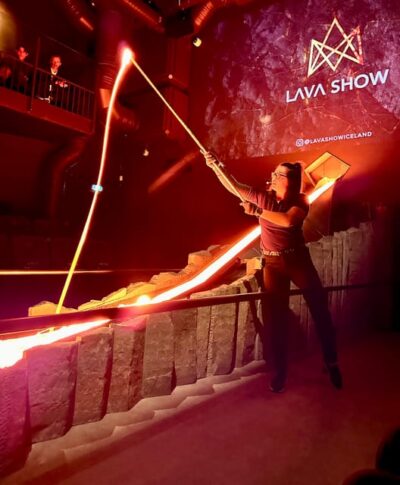
LAVA SHOW – Immersive Experience Entry Ticket
Read our review →