
Reviewed · AIRPORT TRANSFERS
From Reykjavik: Reykjanes Geopark Tour & Airport Transfer
Reykjanes is Iceland in a compact, restless package: steaming mud, sulfur pools, black lava, sea cliffs, and the meeting place of two tectonic plates. This seven-hour tour gives you a strong final taste of the country before a flight, with stops at Krýsuvík-Seltún and Gunnuhver that feel far more wild than their short driving distance from Reykjavík suggests.
I like the small-group minibus and the airport option. A group of five to 17 people is much easier to manage than a full coach, and guides such as Trond, Gummi, Ian, and Jakob have been praised for mixing geology with Icelandic history, local life, and humor. I also like the time allowed at the stops, especially compared with tours that offer only quick photo breaks.
The main consideration is volcanic activity. Roads near Grindavík can close without warning, and the lighthouse, cliffs, bridge, or town may be replaced by other stops. You should also expect a full day outside in changeable weather, not a relaxed bus ride with a few views through the window.
What makes this Reykjanes tour worth your time
- Fresh volcanic ground near Grindavík: See lava formed by a recent eruption when conditions and road access allow.
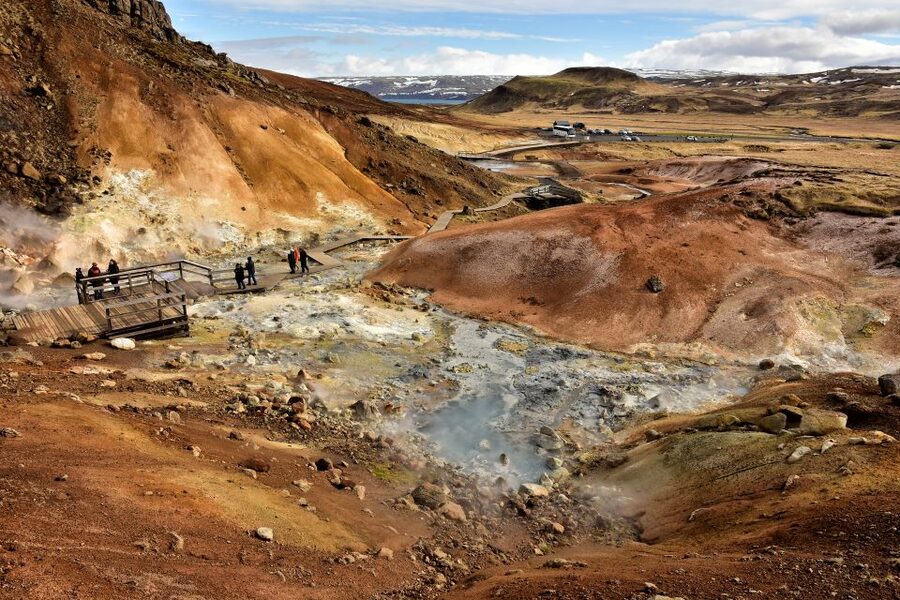
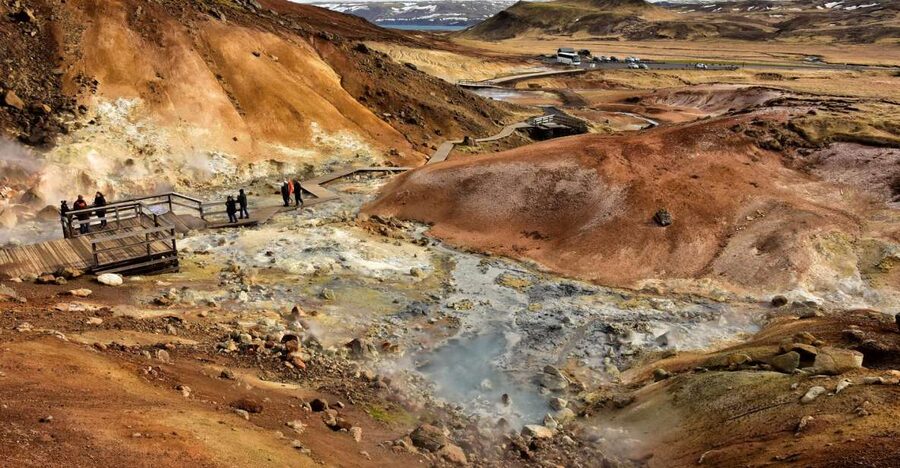
- Krýsuvík-Seltún’s bubbling earth: Walk among colorful hills, steaming vents, and hot pools that give the area an otherworldly look.
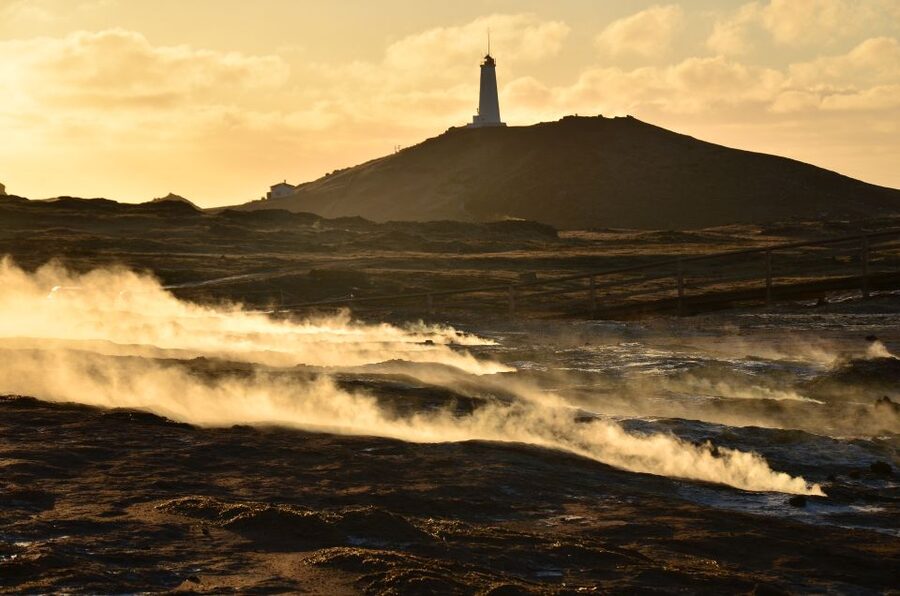
- Reykjanesviti and the sea cliffs: Take in Iceland’s oldest lighthouse and a rugged stretch of coast with birdlife.
- A practical airport connection: You can finish the tour at Keflavík International Airport instead of returning to Reykjavík.
- A small group of 5 to 17: The minibus format allows more room for questions and occasional adjustments.
- A guide-led view of Iceland: The strongest guides explain both the science under your feet and the stories people tell about the peninsula.
Why Reykjanes feels different from the Golden Circle
Many first visits to Iceland focus on waterfalls, glaciers, and famous hot springs. Reykjanes offers something more elemental. Here, the ground itself is the main attraction. You see water heated from below, mud pushed into bubbling pools, fissures shaped by tectonic movement, and lava that may be only a short time old.
The peninsula is part of the UNESCO Global Geopark Reykjanes. That designation matters because the region brings several forces together in one accessible area: geothermal heat, seismic movement, volcanic rock, and an active coastline. You do not need a geology degree to enjoy it. The guide makes the connection between each stop, so the day feels like one story rather than a string of unrelated viewpoints.
At $159 per person, this is not the cheapest way to fill a day in Iceland. Still, the price includes hotel or designated bus stop pickup, transport in a climate-controlled minibus, a local driver-guide, and the airport transfer option. You are paying for a long route with several stops, a small group, and a guide who can make the drive between sights useful.
More Keflavik airport runs:
- Iceland: Airport Transfers between Keflavík and Reykjavik Center
★ 4.5 · 2,485 reviews - Airport Transfer in Iceland from Keflavik Airport to Reykjavik City With Hotel Drop Off
★ 4.0 · 464 reviews - Airport Express Shared Arrival Transfer from Keflavik Airport to Reykjavik Hotels
★ 4.0 · 421 reviews
Leaving Reykjavík for Kleifarvatn and Grænavatn
Pickup normally takes place between 9 and 9:30 in the morning. You need to wait outside your hotel or assigned bus stop and keep your phone ready, since the driver may call. Reykjavík has restricted pickup areas, so some accommodations use a nearby bus stop rather than a direct hotel entrance.
The first major stop is Kleifarvatn Lake, a broad body of water lying over a fissure zone. It is fed by underground springs rather than a visible river, which fits the character of Reykjanes: much of what shapes the region happens below your feet.
This is a scenic opening stop, but it is not built around a long walk. You will mainly get time to look across the lake, take photographs, and hear how underground movement affects the area. Weather can change the mood quickly. In calm conditions, the water gives you a broad, quiet view. In wind, the lake feels more severe and exposed.
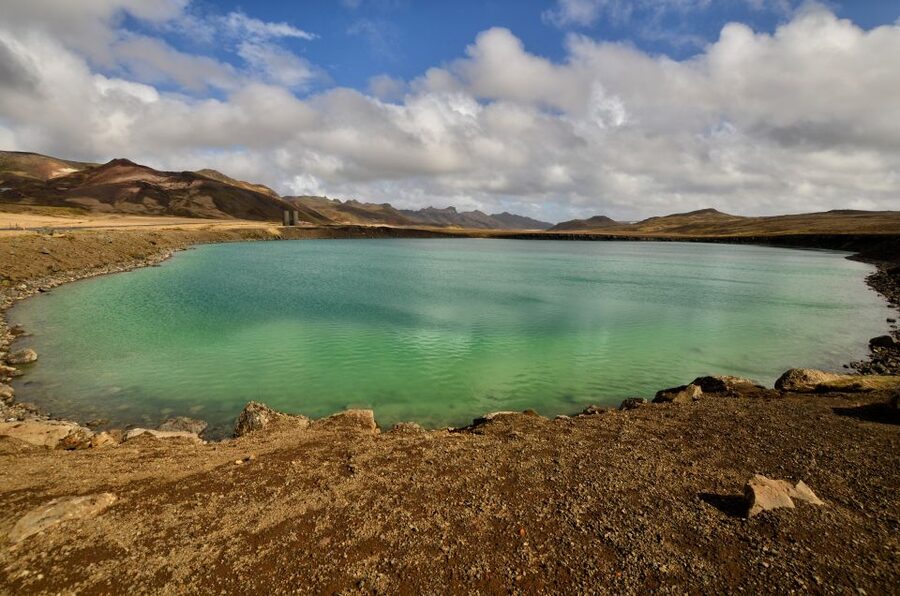
The route continues to Grænavatn, a small crater lake with teal-colored water. The stop is short, about ten minutes, so you should be ready to get out, look closely, and take your photographs without expecting a long trail. Its compact size and strong color make it a useful contrast to Kleifarvatn.
Walking through Krýsuvík-Seltún’s hot ground
Krýsuvík-Seltún is the visual center of the tour. The hills here carry shades of yellow, orange, brown, and gray, while steam rises from vents and mud pools. The colors come from geothermal activity and minerals in the ground, not careful landscaping or decoration.
You get about 30 minutes to walk among the hot springs. That time is enough to stretch your legs and see the main features, though you should stay firmly on marked paths. The ground around geothermal pools can be unstable, and the water and steam are dangerously hot.
This is the stop where sturdy footwear matters most. Rain gear is also useful even when the forecast looks mild. Wind can push steam across the path, and rain can make the walk slippery. The smell of sulfur is part of the experience. If you are sensitive to strong odors, you may want to keep your time near the vents measured, but most people find the combination of color, steam, and bubbling mud memorable.
One guide, Starri, was praised for giving extra time at Valahnukúr Point when conditions allowed, and for bringing Icelandic history into the day. That reflects an important strength of this tour: the exact amount of time at a stop can sometimes be adjusted. Do not count on every extra stop, but a small group gives the guide more room than a large coach tour.
Grindavík and the reality of an active volcanic zone
The route then moves toward Grindavík, a fishing town affected by recent volcanic activity. Depending on road access, you may see newly formed lava fields and the eerie remains of areas that were once part of a working community.
This is not a normal sightseeing stop. It is a place where travel plans can change for serious reasons. Roads may close because of eruptions, seismic activity, or safety concerns. The tour operator can replace the Grindavík section, lengthen the drive, or use another route if necessary.
That uncertainty is a drawback, but it is also the point of visiting an active volcanic region. You are not looking at a fixed attraction behind a fence. You are seeing a part of Iceland that is still changing. If you expect a guaranteed set of viewpoints, this tour may frustrate you. If you can accept a flexible route, the experience can feel more immediate and honest.
A planned stop in Grindavík may also be affected by road closures, including the chance to find lunch there. Food and drinks are not included, so bring something with you or ask the guide about available options when the route permits. Past guides have helped groups find suitable lunch places, including options for vegetarians, but you should not rely on a specific restaurant.
A few more Reykjanes Peninsula days worth weighing up
- Blue Lagoon: Admission Package with Drink, Towel, and Mask
★ 4.6 · 5,421 reviews - From Reykjavik: Blue Lagoon Admission with Transfers
★ 4.6 · 4,867 reviews - The Lava Tunnel Tour – Raufarhólshellir
★ 5.0 · 2,373 reviews - Raufarhólshellir Lava Tunnel: Underground Expedition
★ 4.7 · 1,717 reviews
Gunnuhver and the story behind the steam
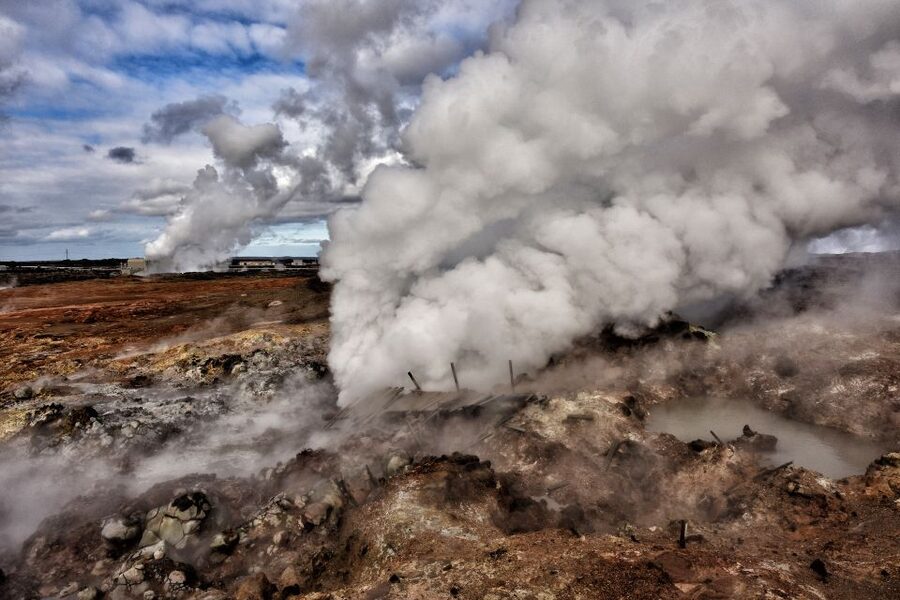
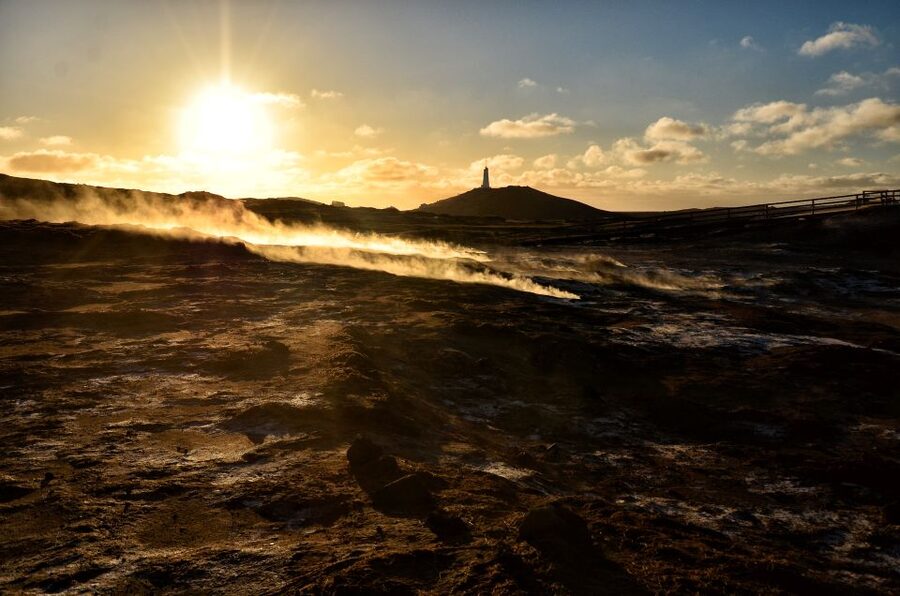
The next stop is Gunnuhver, a geothermal area filled with steaming vents and bubbling mud. The ground looks rough and raw here, with vapor rising from openings in the earth. You get around ten minutes, so this is another place where you should move efficiently and stay within the safe viewing area.
Gunnuhver also comes with a local ghost story about Gunna. The guide usually uses the tale to connect the strange setting with Icelandic folklore. This is one of the small touches that can make the tour feel more personal. You are not only seeing steam and mud. You are hearing how Icelanders have explained and remembered unusual places.
The steam can obscure parts of the view, especially when wind changes direction. That is normal, not a sign that the stop has failed. Keep your camera protected from moisture and avoid walking close to the vents for a better photograph. The safest view is also the sensible one.
Reykjanesviti, Valahnukúr, and the open Atlantic
At Reykjanesviti, Iceland’s oldest lighthouse, you get about 30 minutes for sightseeing. The lighthouse itself is modest, but the setting is the real prize. The coast opens toward the Atlantic, with cliffs, sea air, and birdlife along the shore.
You may also see Valahnukúr Point, a dramatic coastal viewpoint near the lighthouse. This is a good place to let the peninsula feel large. After the close, busy details of bubbling mud and colorful earth, the ocean gives you distance and scale.
Conditions matter here. Strong wind can make the cliffs feel exposed, and access may be restricted if roads or paths are unsafe. Do not treat the edge as a place for careless photographs. Keep your footing, follow the guide’s instructions, and give yourself time to take in the view rather than rushing from one photo to the next.
The coast is especially rewarding for anyone who likes birdlife and raw shorelines more than manicured viewpoints. Sightings depend on the season and conditions, so the tour does not promise a particular species. You are there for the sea cliffs, the open water, and the sense of a peninsula facing the weather.
Crossing the Bridge Between the Continents
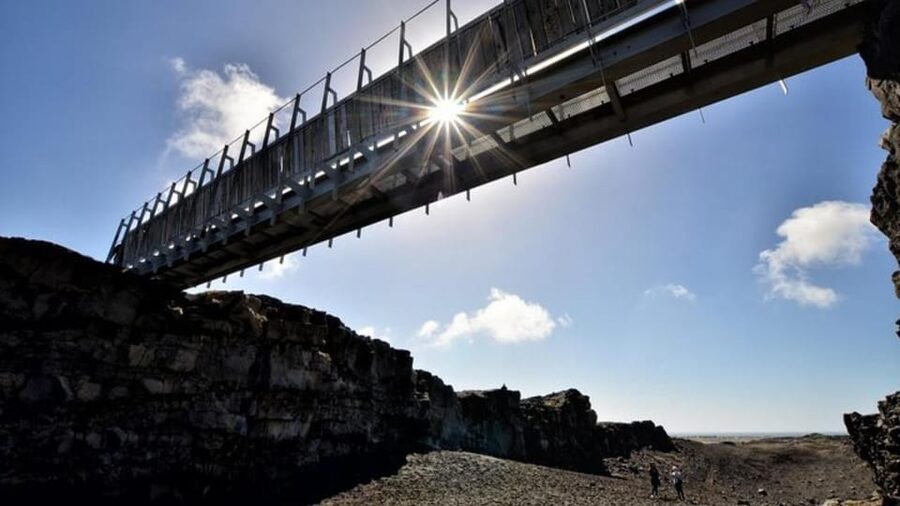
The final major stop is the Bridge Between the Continents, a symbolic footbridge over a fissure linked to the boundary between the North American and Eurasian tectonic plates. You can walk across it and take the familiar photograph, but the more useful part is understanding what the bridge represents.
The bridge does not mean that the continents are separated by a wide visible canyon. It is a simple human structure placed over a tectonic zone, giving you an easy way to stand above a boundary that is normally too subtle to see. The stop lasts about 20 minutes, which is enough for a walk, photographs, and a short explanation from the guide.
This is a lighter stop after the geothermal areas and cliffs. It may not impress you as much as Krýsuvík or Reykjanesviti, but it completes the geological theme of the day. You have seen heat from below, volcanic rock, seismic activity, and now the movement of plates in a form you can physically walk across.
The minibus, timing, and airport drop-off
The tour lasts about seven hours and normally returns to Reykjavík around 4 PM. The order of stops can change, and driving times may be longer when roads near Grindavík are affected. You should allow extra flexibility if you have a flight, even though the airport option is designed for people continuing to Keflavík.
You can request an optional drop-off at Keflavík International Airport or the Blue Lagoon. The Blue Lagoon entrance is not included, so you need a separate admission booking. The route passes by the airport and Blue Lagoon, while the tour can arrange the relevant drop-off option.
This setup works well if your flight leaves later in the day and you want to use your transfer time for sightseeing. It is less suitable for a tight flight schedule. Weather, road closures, pickup delays, and volcanic safety measures can all affect timing. Confirm your flight details with the operator before booking and do not choose this tour if you need a narrow arrival window with no backup.
The minibus holds a small group of five to 17 people. That is large enough to provide a social atmosphere but small enough for the guide to answer questions. The vehicle is climate-controlled and has been described as comfortable and spacious, which matters on a route with several stretches of driving.
The guides make the difference
The tour is conducted in English by a professional local driver-guide. The strongest part of the experience is not only the number of stops. It is the explanation between them.
Guides including Trond, Gummi, Ian, Jakob, Rakel, and Starri have been singled out for clear explanations, humor, local stories, and practical help. Jakob, in particular, has been praised for explaining geology, Icelandic history, and daily life in a way that makes the drive pass quickly. Starri brought family connections and stories about Iceland’s past into the route, while Ian helped a passenger manage the timing and safety instructions despite a language barrier.
Guide quality can vary from one departure to another, as it does on any tour. Still, the repeated praise for the company’s guides points to a real advantage: you are not simply being driven from one photograph to the next. You get context, and you can ask questions.
Who should book this experience
I would choose this tour for a first or second visit to Reykjavík, especially if you want volcanic scenery rather than another city day. It also suits you if you have a late afternoon or evening flight and want a useful airport transfer with sightseeing built in.
It is a good match for:
- People who want geothermal areas, lava, and sea cliffs in one day
- Visitors who prefer a small minibus to a large coach
- Anyone interested in Iceland’s geology and local folklore
- Passengers who need a Keflavík drop-off
- Photographers who want colorful ground, steam, ocean views, and lava
- Families who can manage outdoor walking and changing weather
You should think twice if you need guaranteed access to every listed stop. Volcanic activity may close roads around Grindavík, and sections may be replaced. You also need rain gear, outdoor clothing, and sturdy outdoor shoes. Children are required by Icelandic law to use booster seats.
Free cancellation is available up to 24 hours before departure, and you can reserve now and pay later. Those terms help if your Iceland plans are still shifting, but they do not remove the need to check the route and airport timing close to the date.
Should you book the Reykjanes Geopark tour?
I would book it if you want a small-group day built around Iceland’s active earth rather than its most famous waterfalls. The best moments are likely to be Krýsuvík-Seltún, Gunnuhver, and the coast near Reykjanesviti. The airport transfer adds real value, particularly when you have luggage and a late flight.
At $159, it costs more than a basic large-coach outing. You are paying for a smaller group, a local guide, several proper stops, and the chance to finish at the airport or Blue Lagoon. If all you want is a quick transfer, it is too expensive. If you want one last, well-explained look at Iceland’s volcanic character, it is a sensible use of your final day.
FAQ
How long does the Reykjanes Geopark tour last?
The tour lasts about seven hours. It usually starts with pickup in Reykjavík between 9 and 9:30 AM and is expected to return to Reykjavík around 4 PM.
Can I be dropped off at Keflavík International Airport?
Yes. An optional drop-off at Keflavík International Airport is available, making the tour useful before a flight.
Can I be dropped off at the Blue Lagoon?
Yes, the route includes an optional Blue Lagoon drop-off. Admission to the Blue Lagoon is not included in the tour price.
What happens if volcanic activity closes part of the route?
The route may be changed, and driving times may become longer. If sections near Grindavík or other areas are unavailable, the operator may use alternative routes or replacement stops. The tour can also be delayed or canceled because of unsafe weather or road conditions.
How large is the tour group?
The group size is between five and 17 people. Transport is provided in a climate-controlled minibus.
What should I wear and bring?
Bring rain gear, outdoor clothing, and sturdy outdoor footwear. The tour includes walks near geothermal areas, coastal viewpoints, lava fields, and the Bridge Between the Continents.
Is food included?
No. Food and drinks are not included. Lunch in Grindavík may be affected by road closures, so you should plan for changing arrangements.
What language is the tour conducted in?
The live guide speaks English. Pickup is available from listed hotels, designated Reykjavík bus stops, Reykjavík cruise port locations, and other stated pickup points.
Just added around Reykjanes Peninsula
- Luxury Private Transfer from Reykjavik to Keflavik Airport★ 5.0 · 9 reviews
- Volcano Hike and Grindavík Visit from Reykjavik★ 4.5 · 120 reviews
- Helicopter Tour Over Iceland’s Reykjanes Volcano Eruption Site★ 5.0 · 68 reviews
- Unique bathing in an Icelandic hot springs at the Blue Lagoon★ 4.5 · 8 reviews
- Private Transfer from Cruise Ship Port to Keflavik Int. Airport★ 5.0 · 18 reviews
- Transfer To & From Blue Lagoon★ 4.0 · 8 reviews
- Reykjanes Peninsula Tour★ 4.5 · 5 reviews
- Blue Lagoon and Northern Lights Tour Including Admission★ 3.5 · 51 reviews
Airport Transfers, compared.
Airport Transfer in Iceland from Keflavik Airport to Reykjavik City With Hotel Drop Off
Read our review →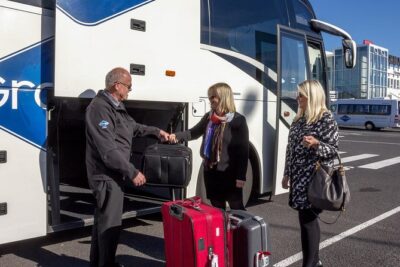
Airport Express Shared Arrival Transfer from Keflavik Airport to Reykjavik Hotels
Read our review →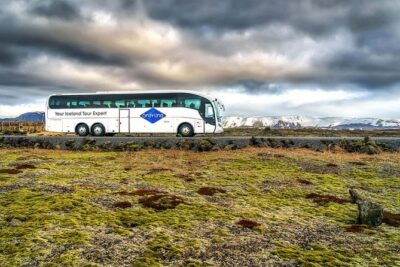
Airport Express Shared Departure Transfer from Reykjavik Hotels to Keflavik Airport
Read our review →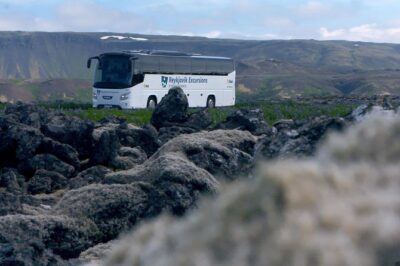
Airport Transfers between Keflavik and Reykjavik Hotels
Read our review →
Airport Transfer in Iceland from Reykjavik City to Keflavik Airport with Hotel Pick Up
Read our review →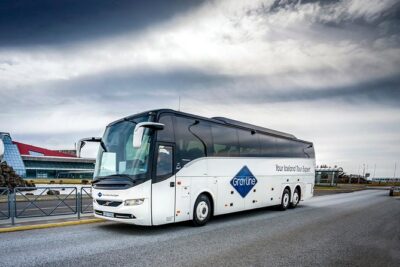
Airport Express Shared Departure transfer from Reykjavik City to Keflavik Airport
Read our review →

Browse the lists this tour appears in