
Reviewed · HORSE RIDING TOURS
Reykjavik: Red Lava Horse Riding Tour
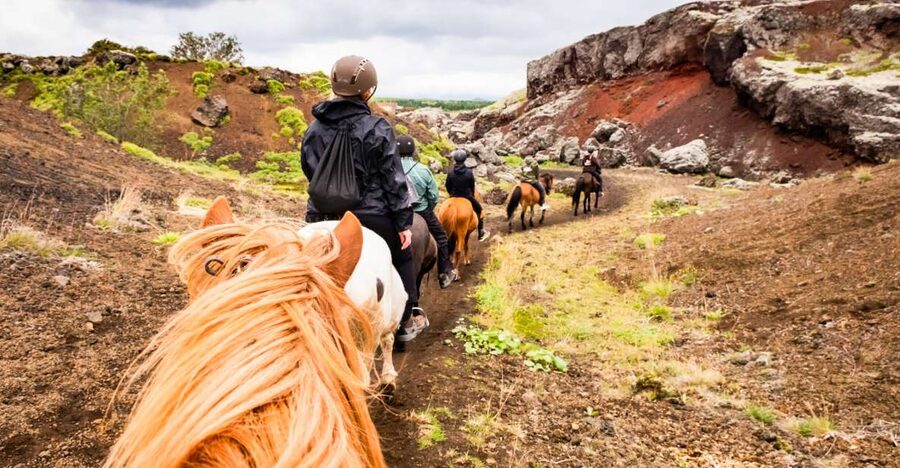
Iceland’s red lava fields make an unforgettable riding arena. On this 2.5-hour outing from Reykjavik, you follow smooth paths across the Redhills, with more experienced riders heading toward Rauðarvatn and possibly trying the famous Icelandic tölt.
I like the careful matching of horse to rider, and I like that beginners and confident riders can follow routes suited to their pace. The guides, including Claudia, Patri, Claira, and Nina on different departures, are attentive and good at helping nervous riders settle in.
The main consideration is the weather. You will be outside for up to two hours, and winter wind, rain, or snow can make the ride feel long if you arrive in light clothing. The provider supplies wet-weather gear and winter jumpsuits, but warm gloves and wool socks are still smart.
Key points to know before you book
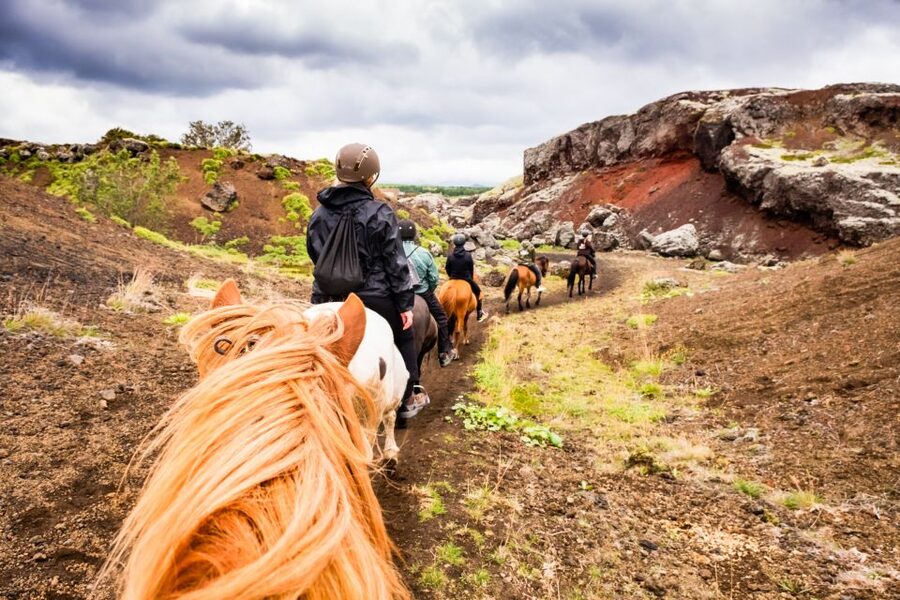
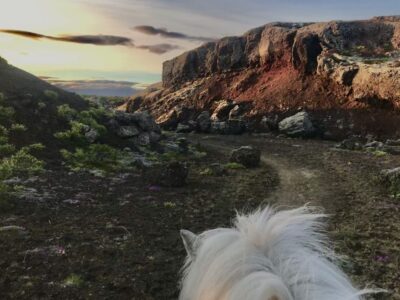
- Ride through red volcanic terrain: The Redhills offer moss, rocks, hills, and striking red lava formations close to Reykjavik.
- Good for first-time riders: Calm, well-trained Icelandic horses and patient instruction make this a practical first ride.
- Different routes for different abilities: Beginners follow a smooth path, while experienced groups may ride near Rauðarvatn and add tölt sessions.
- A proper riding session: You spend about 1.5 to 2 hours in the saddle, not just a short photo ride.
- Pickup is useful in bad weather: Hotel and central pickup points in Reykjavik are available, with collection about 30 minutes before departure.
- Come prepared for Icelandic weather: Helmets, rain clothing, and winter jumpsuits are available, but you need warm base layers and sturdy closed shoes.
Why the red lava fields make this ride special
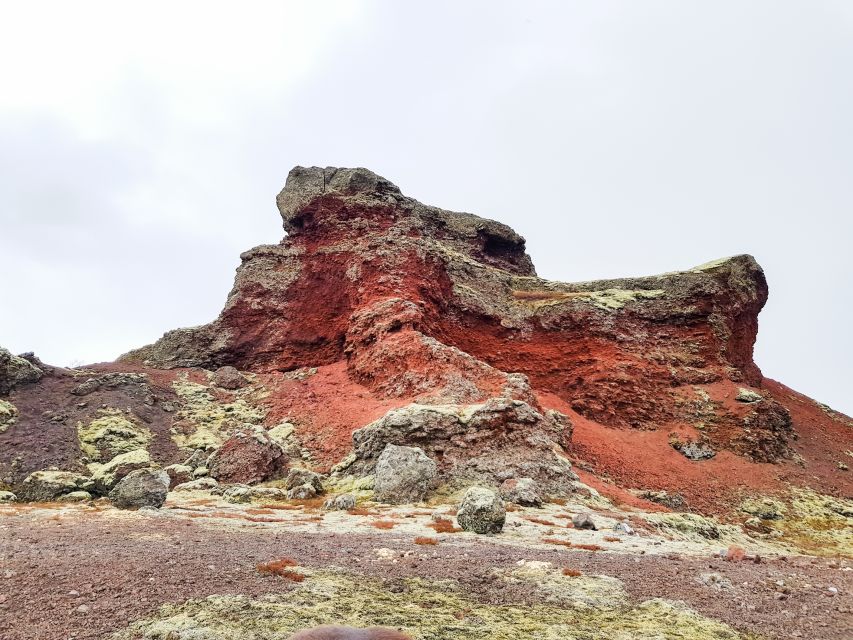
Many Iceland excursions take you past volcanic scenery from a bus window. Here, you move through it at horse speed. That slower pace lets you notice the rough lava, patches of moss, low hills, and red rock formations around the Redhills.
The setting feels wild, though the stable is only about a 15-minute drive from downtown Reykjavik. That short transfer is a real advantage if your Iceland schedule is tight. You get an outdoor experience without spending the entire day on the road.
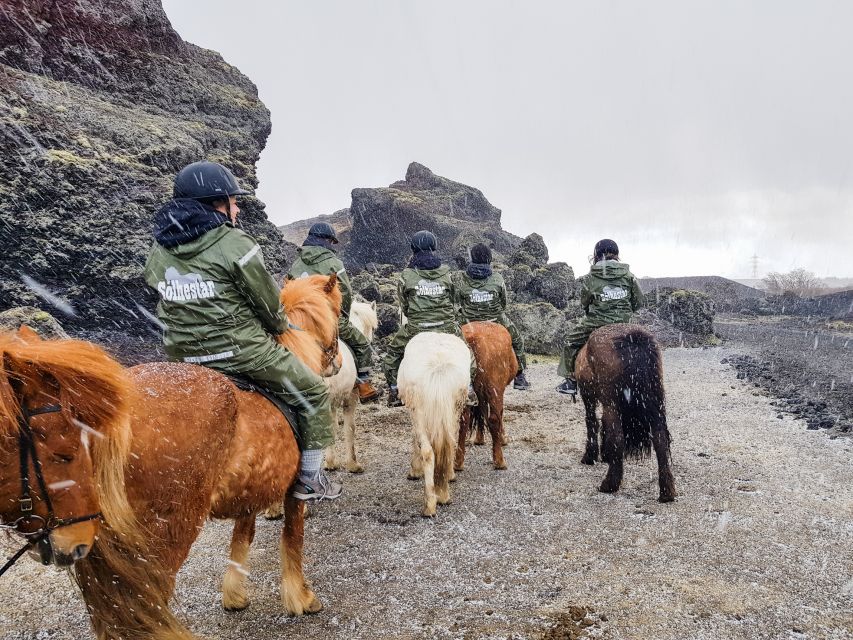
The terrain is especially striking in changing weather. Snow can soften the dark volcanic rock, while sunlight brings out the reddish tones in the hills. Rain and wind are less pleasant, but the supplied outer clothing helps keep the ride going.
This is not a dramatic mountain trek or a remote wilderness expedition. The paths are natural but chosen for riding, and the tour is built around safety and comfort. I see that as a strength for beginners, families with suitable older children, and anyone who wants an Icelandic horse experience without committing to a full-day adventure.
More Horse Riding Tours in Reykjavik
- From Reykjavík: Icelandic Horse Riding Tour in Lava Fields
★ 4.7 · 1,356 reviews - Icelandic Horseback Riding Tour with Pickup Option from Reykjavik
★ 5.0 · 1,145 reviews - Icelandic Horseback Riding Tour Including Pick Up from Reykjavik
★ 5.0 · 784 reviews
Arriving at the stable and meeting your horse
If you drive, look for the large white stable with a big orange sign. Free parking is available directly in front, and you should arrive 15 minutes before the scheduled riding time.
If you choose pickup, be ready 30 minutes before the start. The provider uses a small bus or jeep marked with the activity company’s name and collects from selected Reykjavik hotels and shuttle stops. Pickup saves you from navigating in poor weather, though it adds a little waiting time before and after the ride.
At the stable, you receive a helmet, which every rider must wear. You may also receive rain clothing or a winter jumpsuit, depending on the season and conditions. Wear comfortable clothes underneath. Avoid shorts, open-toed shoes, backpacks, and bulky items that could get in the way.
The horse pairing is one of the best handled parts of the experience. Your riding background is considered before you set out, and first-time riders receive help with the basic controls. The horses are described as calm, friendly, and easy to guide, though no animal ride is completely predictable.
Give yourself a few minutes to get comfortable. Beginners often feel tense at first, especially when the horse starts moving, but the guides stay close and offer clear instructions. That early attention matters more than a long formal lesson.
The first 5 to 7 kilometers through the Redhills
The standard route follows a smooth path through the Redhills. Most of the ride is at a walking pace, which gives you time to look around and get used to the horse beneath you.
The volcanic ground supplies the drama. You may pass mossy sections, exposed rocks, hilly paths, and red lava formations. The route is not about checking off famous sights. Its appeal comes from being outdoors among Iceland’s volcanic remains, with the horse’s steady movement setting the rhythm.
The full route covers about 5 to 7 kilometers, depending on the group’s experience. That distance helps explain the price. You are paying for a substantial period in the saddle, not a quick turn around a fenced field.
The guides also add context about the area and Icelandic geology. Several departures have included friendly conversations about local history and the volcanic setting. The level of commentary can vary by guide, but the ride is not simply silent transport across the rocks.
A photo stop at red lava formations is usually part of the outing. Guides may take a group picture or help you take pictures with your own phone. I would not count on a long photography session. One useful point from the experience is that the ride keeps moving, so anyone wanting detailed scenic photos should bring a phone rather than expect a dedicated photo tour.
Professional cameras are not allowed, and backpacks are not allowed either. That rule keeps riders and horses safer, but it means you should keep your gear simple. A phone in a secure pocket is the practical choice.
Beginner pace or a faster ride near Rauðarvatn
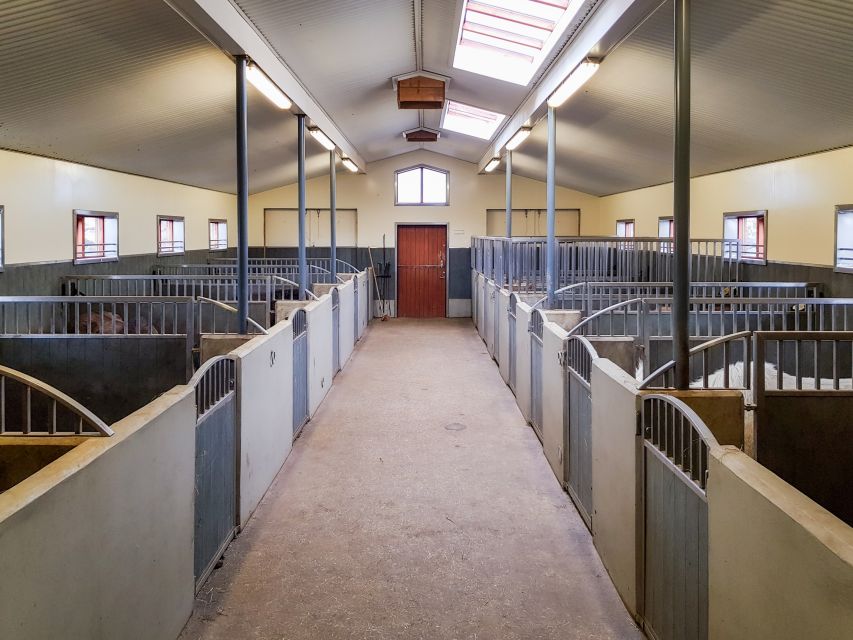
After the photo stop, groups may be separated by experience and riding preference. Beginners and cautious riders generally continue at a slower pace on the easier route.
If you have riding experience, the group may travel toward Rauðarvatn. Some rides include short trot or tölt sessions, depending on the weather, footing, and ability of the group. The tölt is the distinctive Icelandic horse gait, known for being smooth and comfortable when performed well.
This faster option is not guaranteed for every departure. It depends on the conditions and on who is riding that day. That is worth knowing before you book. Experienced riders may find the outing too gentle if they expect long stretches of speed, while a confident beginner may appreciate having the chance to progress gradually.
The guides generally keep the group together safely and adjust the pace to the riders. I like this flexible approach because it gives the outing more range than a fixed beginner-only circuit. It also means you should be honest about your experience when booking and during the introduction.
One rider had an uncomfortable incident when a horse reacted badly to another horse, and the rider fell without injury. That appears to have been an isolated event, and the guides responded appropriately, but it is a useful reminder that horse riding always carries some risk. Follow instructions, keep your helmet on, and do not push for speed if you feel unsure.
Same corner of the island, a completely different day out:
- Reykjavik Food Walk – Local Foodie Adventure in Iceland
★ 5.0 · 18,952 reviews - Iceland: Northern Lights Bus Tour from Reykjavik
★ 4.1 · 11,161 reviews - Reykjavík: Whale Watching and Marine Life Cruise
★ 4.6 · 9,838 reviews - Reykjavik: Sky Lagoon Entrance Pass With 7-Step Spa Ritual
★ 4.8 · 6,166 reviews
What the guides and horses add to the experience
The horses are the heart of the trip. Icelandic horses are smaller than many people expect, which leads some visitors to call them ponies, but they are sturdy riding horses with a calm manner and distinctive gaits.
The horses used here are matched to riders by ability. Beginners have repeatedly found them manageable, while experienced riders have enjoyed the chance to try the tölt. The animals are presented as well cared for, healthy, and well behaved, and the stable gives you time to say goodbye after the ride.
The guides make a noticeable difference. Claudia and Patri have led rides that included a photo stop and a split between slower and faster groups. Claira and Nina have also been praised for friendly conversation and helpful explanations. Names and staff can change from day to day, but the consistent feature is close attention to rider comfort.
I especially value the support for nervous first-timers. Several people with no riding experience became comfortable after the first few minutes. The guides help you mount, explain how to direct the horse, check the group as it moves, and provide help when someone struggles.
The experience is not a private lesson. If you want one-to-one instruction or advanced riding training, choose a specialist riding school instead. This is a group excursion with scenery, horses, and a taste of Icelandic riding.
Weather, clothing, and comfort on the trail
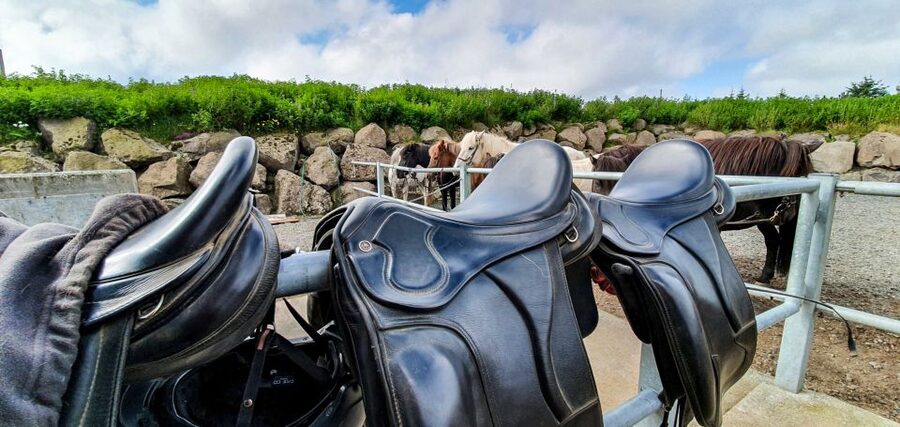
Icelandic weather can change quickly, and the temperature may feel much colder once you are sitting in the saddle. Bring warm clothing, comfortable layers, gloves, and wool socks. Wear closed shoes that can handle a stable and outdoor paths.
The stable supplies helmets, wet-weather clothing, and winter jumpsuits. This is helpful, especially if rain begins after you leave Reykjavik. Still, supplied outerwear does not replace a warm base layer. One practical tip is to dress for the coldest part of the ride rather than the conditions outside your hotel.
Sunglasses can help on dry days because the paths may be dusty. They also offer some protection from wind. Do not bring a large bag, since backpacks are not allowed.
Hot coffee and tea are available for comfort, usually around the stable before or after the ride. Food is not included, so eat beforehand if you need a proper meal. The trip is long enough to make hunger noticeable, but not so long that you need packed food on the trail.
The physical demand is moderate. You need to be in good physical condition and able to mount, sit securely, and follow instructions. The tour is not suitable for wheelchair users, people with mobility impairments, pregnant women, people with recent surgery or back problems, or anyone with a low level of fitness. The weight limit is 110 kilograms, or 242 pounds.
Is $142 good value for a 2.5-hour outing?
At $142 per person, this is not a cheap way to fill an hour in Reykjavik. I think the value is reasonable because the price includes 1.5 to 2 hours of actual riding, an instructor, helmet, weather gear, parking, and optional transport from the city.
Pickup adds convenience rather than a separate sightseeing experience. If you have a rental car, driving to the stable and using the free parking may make the outing feel more efficient. If you are staying in central Reykjavik and do not want to arrange transport, the pickup option earns its place in the price.
The biggest value comes from the combination of a genuine riding session and unusual volcanic scenery. You are not simply taking a short circuit for a photograph. You cover several kilometers and may get the choice of a relaxed route or a faster session.
The value is lower if you have no interest in horses, dislike cold outdoor activities, or expect a long day of advanced riding. It is also worth comparing the price with other Reykjavik excursions if your budget is tight. For someone who wants one personal, active experience between bus tours and city walks, the cost is easier to justify.
The activity has a 4.8 rating from 2,383 ratings, and transport has received a 92 percent perfect score. Those figures point to a well-run operation, though they cannot remove the normal uncertainty of weather, group pace, and animal behavior.
Who should book this Sólhestar ride?
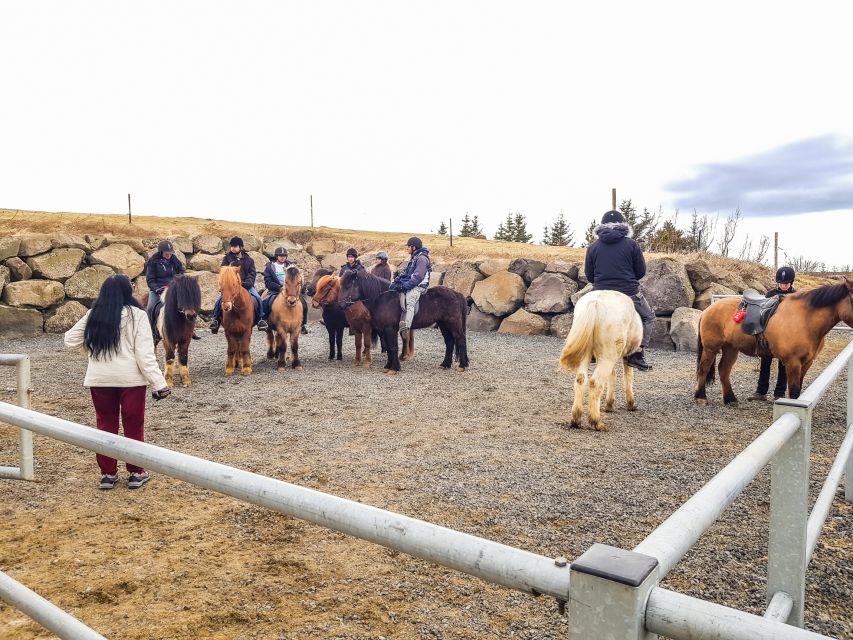
I would recommend it most strongly to first-time riders, couples, families with appropriate participants, and experienced riders who want to try an Icelandic horse in its home country. It also works well during a short Reykjavik stopover because the stable is close to town.
The ride suits you if scenery matters as much as speed. You can spend much of the time walking through volcanic terrain, then ask about a faster pace if your group and conditions allow it.
I would think twice if you are very uncomfortable around animals, have limited fitness, or need fully accessible transport and mounting facilities. The 110-kilogram limit is firm, and the activity is not suitable for several medical and mobility conditions.
Book it if you want a friendly, outdoor introduction to Icelandic horses and can prepare for the weather. Skip it if you want guaranteed fast riding, private instruction, or a fully indoor activity.
FAQ
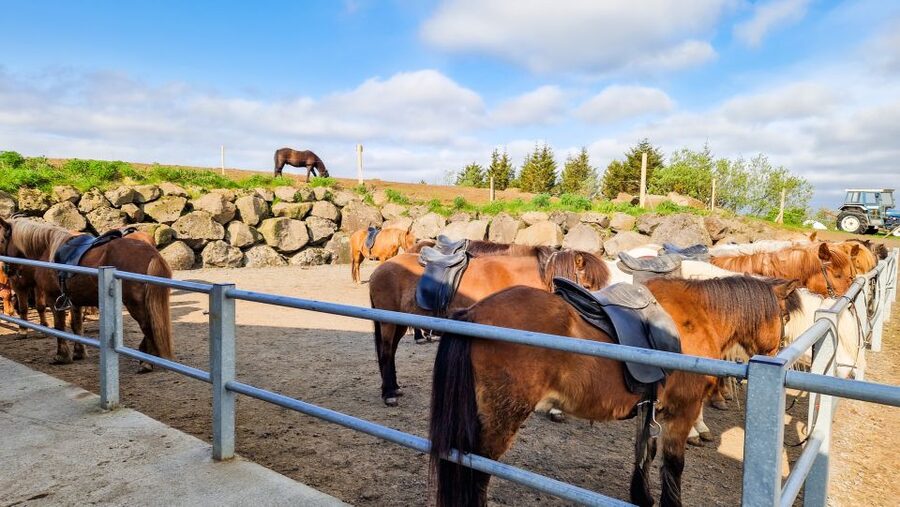
How long does the horse riding tour last?
The full activity lasts 2.5 hours. You spend about 1.5 to 2 hours on horseback, covering approximately 5 to 7 kilometers.
Where does the tour take place?
The ride begins at a stable in the Capital Region, about a 15-minute drive from downtown Reykjavik. The route passes through the Redhills and, for more experienced groups, may continue near Rauðarvatn.
Can beginners join the ride?
Yes. The tour is suitable for beginners and experienced riders. Horses are matched to riders according to experience, and instructors explain the basics and help nervous riders.
Is hotel pickup available from Reykjavik?
Yes. Pickup is available from selected hotels and shuttle bus stops in Reykjavik if you select the pickup option. Be ready about 30 minutes before the tour begins.
Can I drive to the stable?
Yes. Free parking is available in front of the stable. If you drive, arrive 15 minutes before your scheduled riding time and look for the white stable with the large orange sign.
What equipment does the stable provide?
The stable provides a helmet for every rider, wet-weather clothing when needed, and winter jumpsuits. Coffee and tea are also available.
What should I wear?
Wear warm, comfortable, weather-appropriate clothing and closed shoes. Gloves and wool socks are especially useful in winter. Shorts, open-toed shoes, backpacks, and professional cameras are not allowed.
Is there a weight limit or health restriction?
The weight limit is 110 kilograms, or 242 pounds. The activity is not suitable for pregnant women, wheelchair users, people with mobility impairments, back problems, recent surgeries, or a low level of fitness.
Just added around Reykjavik
- Reykjavik: Whale and Puffin Watching RIB Boat Tour★ 4.6 · 179 reviews
- Reykjavik: Whale Watching & Lava Show★ 5.0 · 4 reviews
- Reykjavik: Whale & Marine Adventure Tour★ 4.3 · 71 reviews
- Reykjavik: Whale Watching Express★ 4.3 · 227 reviews
- From Reykjavík: Viking Horseback Tour in Hafnarfjörður★ 4.9 · 112 reviews
- Reykjavík: Horse Riding Tours★ 4.9 · 127 reviews
- The Siggi Tour from Reykjavík: 1.5 to 2-Hour Ride★ 4.5 · 27 reviews
- Icelandic Horse Riding and Whale Watching Cruise from Reykjavík★ 4.0 · 14 reviews
Horse Riding Tours, compared.
Icelandic Horseback Riding Tour with Pickup Option from Reykjavik
Read our review →
Icelandic Horseback Riding Tour Including Pick Up from Reykjavik
Read our review →
Small-Group Horse Volcano Riding Tour with Pickup
Read our review →
Viking Horse Riding and Golden Circle Tour from Reykjavik
Read our review →
Hveragerdi: Reykjadalur (Hotspring Valley) Horse Riding Tour
Read our review →Browse the lists this tour appears in