
Reviewed · HIKING & TREKKING
Skaftafell: Hvannadalshnjúkur Glacier Guided Hike
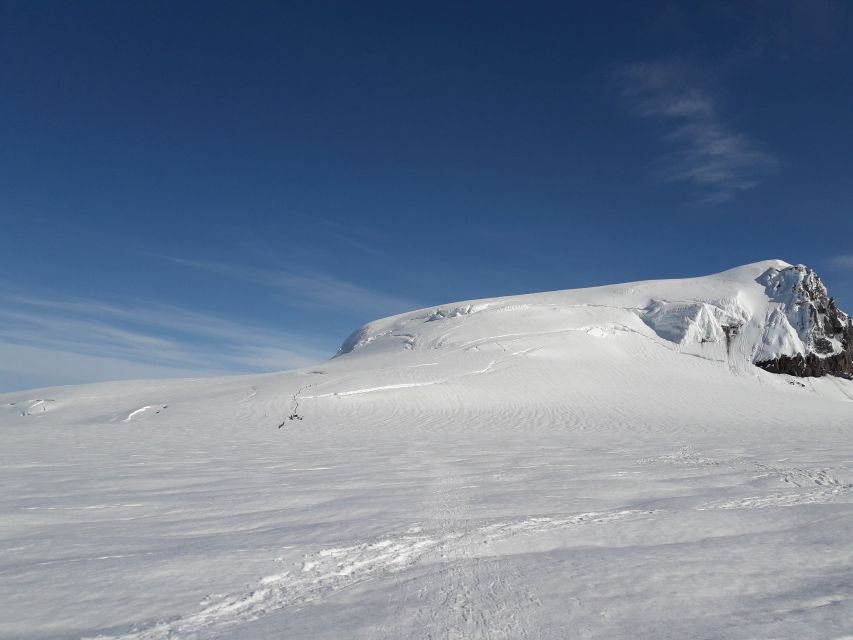
Iceland’s highest summit is not reached by a quick walk and a souvenir photo. The route to Hvannadalshnjúkur is a full mountain day across gravel, rock, snow, and glacier terrain, with a summit goal around 1:00 PM. You finish with views toward Hrútfellstindar, Þumall, and the Vatnajökull ice cap.
I like the small group of up to six, which gives the guide room to adjust the pace and explain the rope and glacier gear. I also like that the day begins with a guide briefing, not a rushed start, so you understand the route and equipment before the serious climbing begins.
The main drawback is plain: this is a demanding 13.5-hour outing, not a casual national park walk. You need to be in good shape, and the guide can turn you back if your fitness is not adequate for the group’s safety.
Key points at a glance
- Iceland’s highest summit: Reach Hvannadalshnjúkur, on the great Vatnajökull glacier.
- A full mountain day: Plan on roughly 10 to 14 hours of hiking, with the listed duration at 13.5 hours.
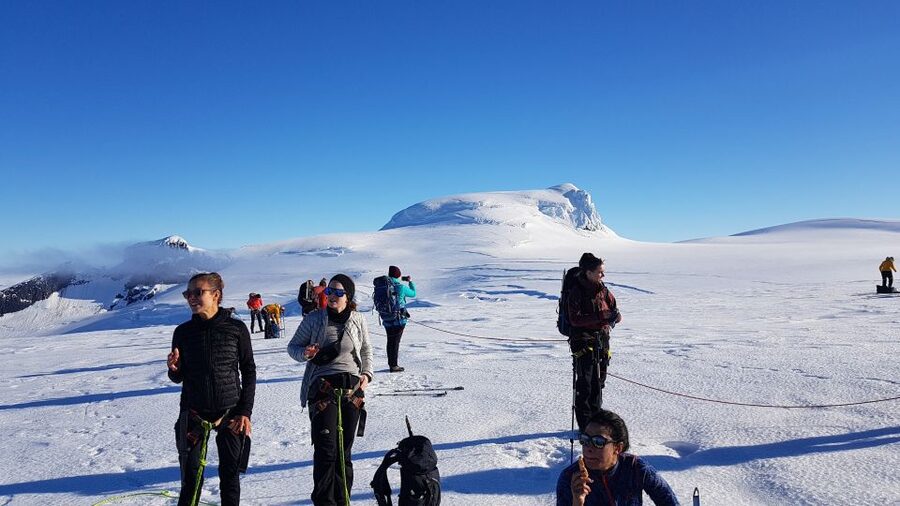
- Small-group format: The group is limited to six people, with a professional local guide.
- Real glacier equipment: Harnesses, ropes, and crampons are used as the route becomes more serious.
- Big summit views: On a clear day, look toward Hrútfellstindar, Þumall, and Vatnajökull.
- Serious fitness required: The guide may turn you around if you cannot safely continue.
Why Hvannadalshnjúkur is a serious goal
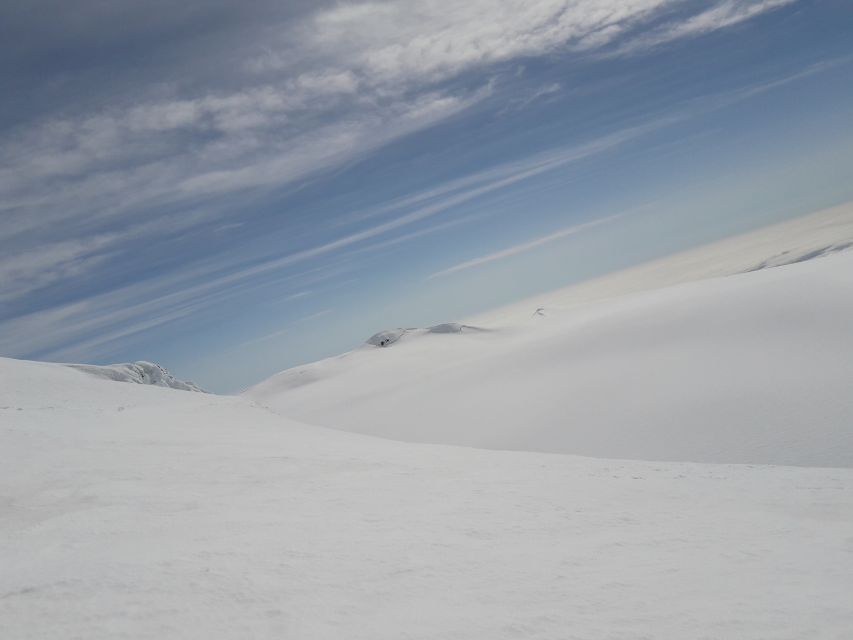
Hvannadalshnjúkur is Iceland’s highest summit. Reaching it means more than walking onto a glacier for an hour or two. You spend most of a long day moving upward through changing ground, then make the final approach with glacier gear.
That variety is part of the appeal. The route begins on gravel and rock, continues over snow, and later involves rope travel and crampons. You get a real sense of how mountain travel changes as the ground becomes steeper, colder, and more technical.
The trip takes place in Skaftafell National Park, a strong setting for such a climb. Skaftafell is known for its access to the Vatnajökull ice cap and its mix of rock, snow, ice, and open views. Here, the park is not simply a backdrop. It is the route itself.
The day is guided by conditions, group ability, and safety. A clear summit may be possible, but no mountain outing can promise perfect views or a successful summit. That uncertainty is part of the bargain. You are paying for a properly guided attempt, not a guaranteed photo from the top.
More Hiking Tours in Southeast Iceland
- Skaftafell: Ice Cave Tour and Glacier Hike
★ 4.5 · 1,746 reviews - Skaftafell National Park: Falljokull Glacier Easy Hike
★ 4.7 · 1,370 reviews - Skaftafell National Park: Falljokull Glacier Advanced Hike
★ 4.8 · 1,083 reviews
Meeting at Sandfell and preparing for the climb
The meeting point is Sandfell öræfi, identified by the location code 228M+J5V. There is no hotel pickup, so you need to arrange your own way to the starting point and arrive ready for a very early start.
At the beginning of the day, the guide explains what lies ahead, how the equipment works, and what to expect from the route. This briefing matters. You will be dealing with a harness, ropes, and crampons later, so it is useful to hear the instructions before fatigue sets in.
Departure time can be adjusted around the experience level of the group, with the goal of reaching the summit at about 1:00 PM. That flexibility is helpful, but it does not turn the trip into a relaxed morning outing. You should keep the entire day open and avoid scheduling another major activity afterward.
The available feedback gives the guides high marks for professionalism. One five-star assessment specifically calls the guides professional and strongly recommends the company. Another describes the outing as hard but fantastic, while a third calls it challenging, rewarding, and fun. Those comments point to the right expectation: the guide’s job is to manage a tough day well, not make the climb effortless.
The first hours on gravel, rock, and snow
The lower part of the route takes you across gravel and rocks before snow becomes a larger part of the climb. This section may feel less dramatic than the glacier itself, but it is where you build the rhythm for the day.
You should expect stops for snacks, lunch, and water along the way. These breaks are not wasted time. On a long ascent, eating and drinking before you feel exhausted is important, especially when the route continues for several more hours.
The changing surface also gives you a clear idea of why sturdy hiking shoes are required. Lightweight street shoes would be a poor match for loose gravel, rough rock, and snow. The recommended packing list also includes warm clothing, rain gear, sunglasses, and a daypack.
Weather can change quickly in Iceland, so bring layers rather than relying on one heavy item. You need clothing that works during active uphill movement and during slower stops. Rain gear is listed as essential, and sunglasses will help with bright snow and glacier glare.
You carry your own food and drinks. Neither is included, so plan enough for a long day. The guide provides the mountain and glacier equipment, but you remain responsible for your personal clothing, water, snacks, and lunch.
Roping up for the glacier section
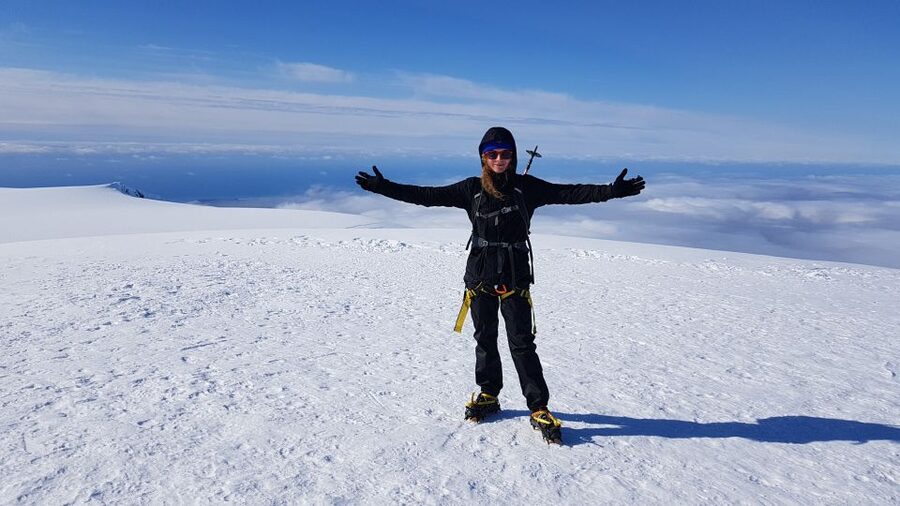
At a point described as the reef, you put on a harness and rope up for the terrain ahead. This is where the day shifts from a demanding hike to a more serious glacier expedition.
Rope travel is valuable because it allows the guide to manage the group across glacier terrain. You need to listen closely and follow instructions. The small group limit of six helps here, since the guide has fewer people to monitor and can keep communication clearer.
The rope section also changes the pace. You may move more slowly, and the guide may choose the safest line rather than the fastest one. That can be frustrating if you are focused only on reaching the summit, but it is the sensible tradeoff on glacial ground.
All glacier gear is included, which is a major part of the tour’s value. You do not need to provide the harness, ropes, or crampons. Still, included equipment does not remove the need for proper footwear and suitable clothing. The guide can supply technical gear, but cannot make poor personal preparation comfortable.
The experience is described as lightly challenging in the general outline, yet the full details and feedback make clear that this phrase should not be read as easy. Ten to fourteen hours of mountain movement is a substantial physical commitment. If you rarely hike or are uncertain about your fitness, this is not the place to test yourself casually.
Same corner of the island, a completely different day out:
- Reykjavik: Jokulsarlon Glacier Lagoon Full-Day Guided Trip
★ 4.7 · 3,302 reviews - Jökulsárlón: Vatnajökull Ice Cave Guided Tour
★ 4.2 · 2,046 reviews - Jökulsárlón: Crystal Ice Cave Super Jeep Tour
★ 4.1 · 1,681 reviews - From Reykjavik: Jökulsárlón Glacier Lagoon and Diamond Beach
★ 4.5 · 1,389 reviews
Lunch, the plateau, and the final push
After the rope section, the route continues upward toward the plateau below the summit. Lunch comes during the day, and the timing gives you a chance to rest before the final effort.
Reaching the plateau is an important marker. You have completed much of the long approach, but the summit is still ahead. The guide will decide when the group should put on crampons for the final push.
Crampons provide grip on snow and ice, but they also require careful foot placement. You should expect the final section to demand concentration even if the route has felt manageable earlier. By this point, fatigue is a factor, and the cold can make you feel slower.
The summit target is around 1:00 PM. That timing gives the group a clear goal and helps shape the morning’s pace. Still, mountain conditions and fitness levels control the actual day. A responsible guide may change the plan or stop the climb before the summit.
The guide can turn you around if you are not in good enough shape to continue safely. This may be disappointing, especially after many hours of climbing, but it protects both you and the rest of the group. In a small group, one person’s condition affects everyone, so honesty about your ability matters from the start.
The summit views toward Hrútfellstindar and Þumall
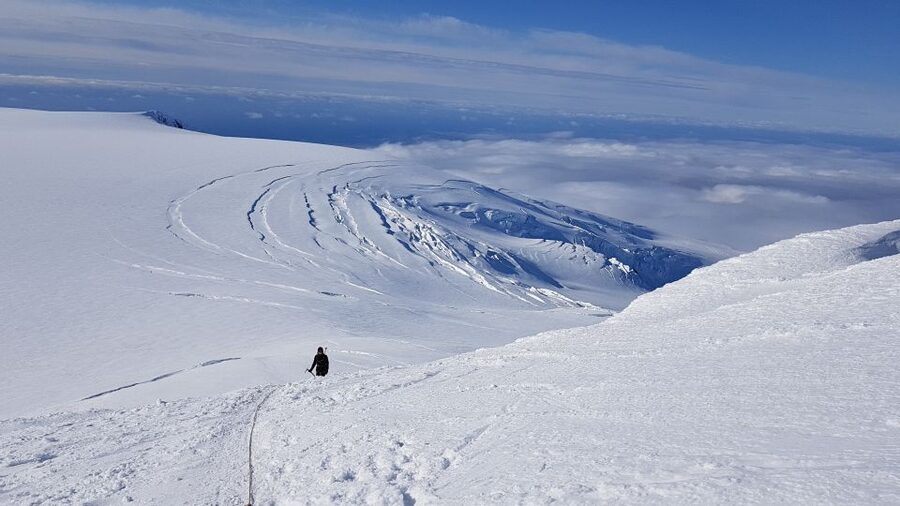
At the top, the reward is a broad view over Iceland’s high glacier country. On a clear day, you can see Hrútfellstindar, Þumall, and part of the Vatnajökull ice cap.
These names matter because they give shape to the view. You are not simply looking at a white expanse. You are looking across one of Iceland’s great mountain and ice regions, with sharp summits and the wide Vatnajökull cap forming the setting.
Clear weather is important. The tour specifically notes that the views can be beautiful on a clear day, so bring a camera if photography matters to you. Do not count on perfect visibility, though. Clouds, wind, and changing weather may limit what you see.
The summit stop is also your chance to absorb the scale of the climb. You have crossed gravel, rock, snow, and roped glacier terrain to reach Iceland’s highest point. The achievement is physical, but the view helps explain why the long day is worthwhile.
Keep your camera accessible but protected. You will be dealing with cold, snow, and equipment, and you will not want to unpack a camera at every stop. A simple daypack is listed among the required items.
The descent is shorter, but not easy
The return hike does not take as long as the ascent, but it is still a serious finish. Your legs will be tired, and uneven ground can feel more demanding on the way down.
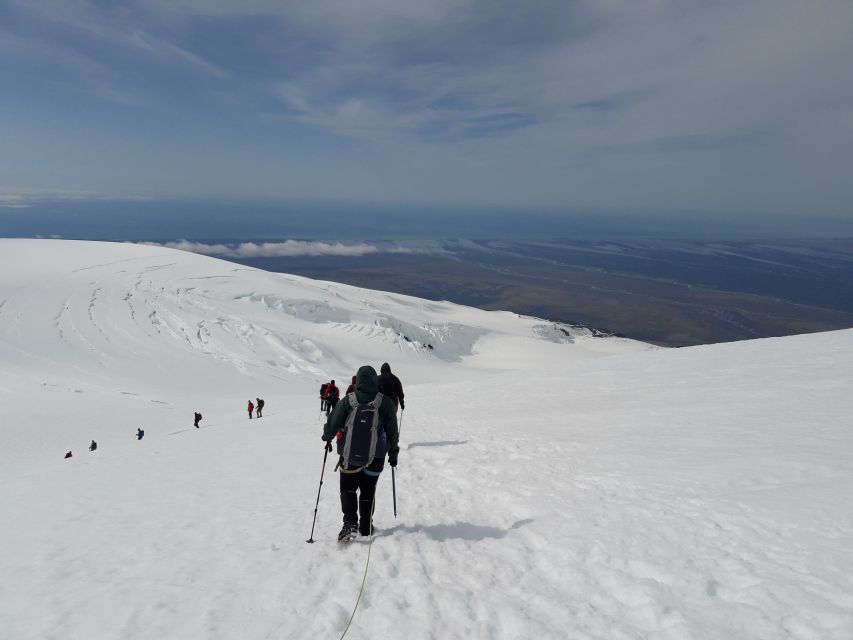
The guide continues to control the pace and route. Do not assume that reaching the summit means the day’s main risk is over. Descending on rock, snow, and glacial ground still requires care, especially when your concentration is fading.
This is one reason to bring enough food and water for the whole day. The scheduled stops help, but the descent is not a quick walk to the parking area. You need energy for the final hours.
You return to the same starting location at 228M+J5V. Since there is no hotel pickup, your transport plans should account for the late finish. Give yourself a buffer rather than arranging a tight connection or evening booking.
Is $766 a fair price?
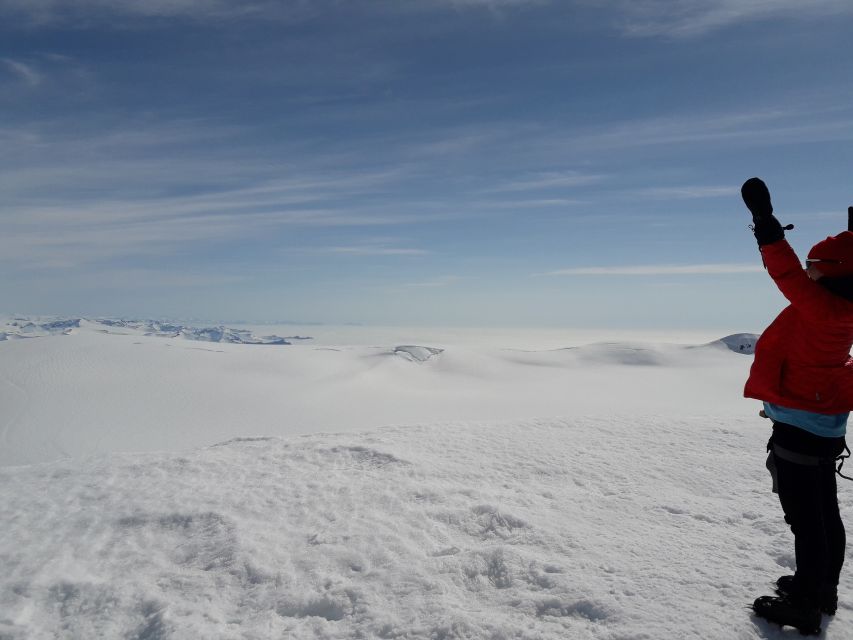
At $766 per person, this is an expensive excursion. The price makes more sense when you look at what is included: a professional mountain guide, a full-day guided attempt on Iceland’s highest summit, and all glacier gear.
You are not paying for a simple marked trail. The tour requires technical equipment, route management, and a guide who can judge conditions and group safety. The group limit of six also provides a more personal setup than a large coach-style activity.
Food, drinks, hotel pickup, and personal clothing are not included. Those extra costs are easy to overlook, especially when you are comparing the headline price with shorter glacier walks. You should add your own transport, lunch, snacks, water, and suitable clothing to the budget.
For an experienced hiker who specifically wants to attempt Iceland’s highest summit, the cost may be reasonable. For someone hoping for a scenic introduction to Icelandic ice, it is too much time, money, and effort. Shorter glacier activities would be a better match, though this particular option is designed for the summit goal.
Who should book this hike?
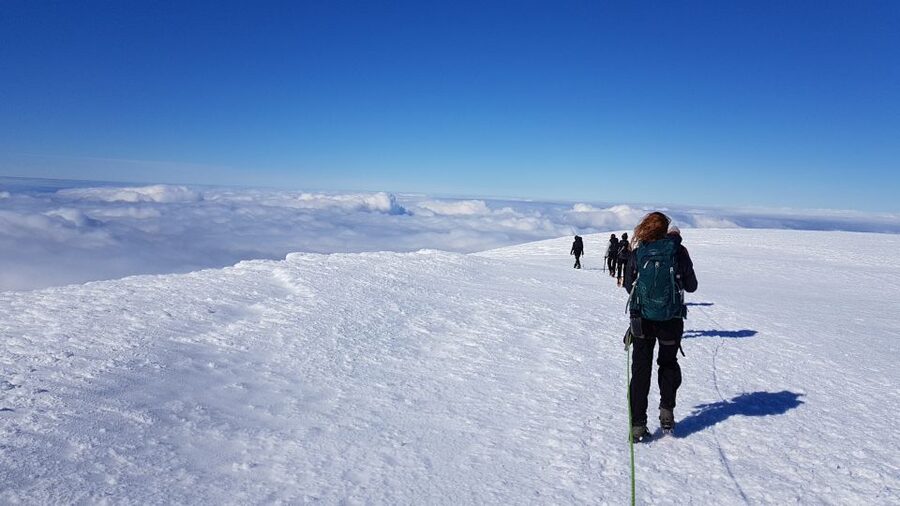
I would consider this trip if you are in good shape, comfortable with a very long day, and interested in a genuine summit attempt rather than a short scenic walk. You should also be ready to accept that the guide’s safety decision comes first.
It suits people who value a small group and direct access to a professional guide. With no more than six participants, the format is especially appealing if you want less waiting and more individual attention than a large-group trip can provide.
You should skip it if you are pregnant, use a wheelchair, or are not prepared for a long and physically demanding outing. The experience is not suitable for wheelchair users, and the supplied information specifically warns that pregnant women should not book it.
The biggest question is not simply Can I walk for a long time? It is whether you can keep moving across rough ground, snow, and glacier terrain for most of a day. The feedback describes the hike as difficult but rewarding, which is the most useful summary to keep in mind.
Practical packing advice for this specific day
Bring warm clothing, rain gear, sunglasses, hiking shoes, and a daypack. You also need your own food and drinks because they are not included.
Pack for changeable conditions. Warm layers help during stops, while rain gear protects you during wet weather. Sunglasses are useful around bright snow and ice. Hiking shoes need to be suitable for gravel, rocks, and snow.
Do not bring alcohol or drugs. The activity does not allow them, and the combination of altitude, cold, ropes, crampons, and a long day demands clear judgment.
Cancellation is flexible up to 24 hours before departure for a full refund, and you can reserve now and pay later. Those policies reduce the financial pressure while you confirm your schedule, but they do not change the need to prepare properly.
Should you book Hvannadalshnjúkur?
Book this if Iceland’s highest summit is a major personal goal and you are ready for a 13.5-hour mountain day. The small group, professional guide, included glacier gear, and views toward Hrútfellstindar, Þumall, and Vatnajökull make it a serious and memorable choice.
Skip it if you want an easy day in Skaftafell, dislike long climbs, or need a predictable sightseeing schedule. The best reason to choose this outing is not convenience. It is the chance to work steadily through Iceland’s high glacier country and earn the summit under a guide’s careful supervision.
FAQ
How long does the Hvannadalshnjúkur hike take?
The listed duration is 13.5 hours. The hike itself may take roughly 10 to 14 hours, depending on the group and conditions.
Where does the activity start and finish?
The meeting point and return point are at Sandfell öræfi, identified as 228M+J5V.
What language does the guide speak?
The live guide can speak English or Icelandic.
How many people are in the group?
The group is limited to six participants.
Is hotel pickup included?
No. Hotel pickup is not included, so you need to arrange your own transport to the meeting point.
Is glacier equipment provided?
Yes. A professional mountain guide and all glacier gear are included. The route uses harnesses, ropes, and crampons.
What should I bring?
Bring warm clothing, sunglasses, hiking shoes, rain gear, and a daypack. Food and drinks are not included, so you also need to bring those.
Do I need to be physically fit?
Yes. You need to be in good shape for the long hike. The guide can turn you around if you are not fit enough to continue safely with the group.
Can I cancel the booking?
You can cancel up to 24 hours in advance for a full refund. The activity also offers a reserve-now, pay-later option.
Just added around Southeast Iceland
- Vatnajökull: Short Glacier Encounter Walk with 4×4 Transfer★ 4.9 · 201 reviews
- Skaftafell: Half-Day Vatnajökull National Park Glacier Hike★ 4.9 · 83 reviews
- Skaftafell: Glacier Hike & Ice Climbing Adventure★ 5.0 · 28 reviews
- South Coast Including Vatnajökull National Park and Jökulsárlón Glacier Lagoon★ 4.0 · 4 reviews
- Skaftafell: Blue Ice Cave & Glacier Hike on Vatnajökull★ 4.5 · 114 reviews
- Airplane flight over glacier lagoons and Iceland’s highest peak★ 5.0 · 3 reviews
- Crystal Treasures of Vatnajökull: Ice Cave Adventure★ 5.0 · 89 reviews
- Skaftafell Ice Caving & Glacier Hike★ 5.0 · 229 reviews
Hiking & Trekking, compared.
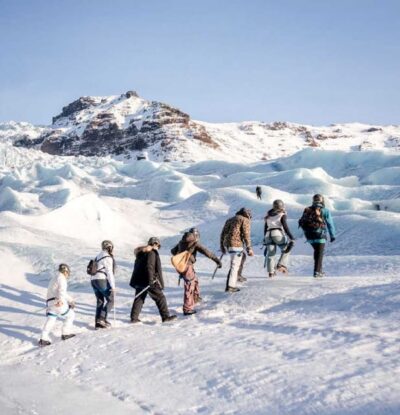
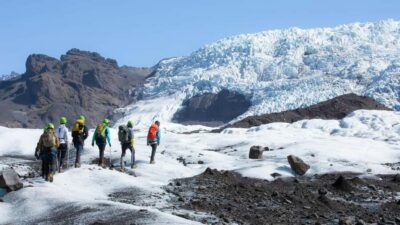
Skaftafell National Park: Falljokull Glacier Easy Hike
Read our review →
Glacier Hike, Waterfalls and Black Sand Beach
Read our review →
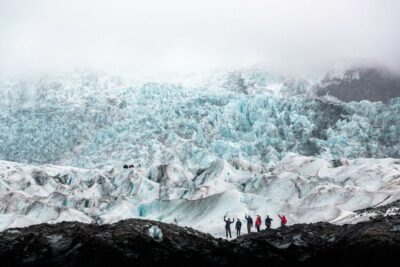
Skaftafell National Park: Falljokull Glacier Advanced Hike
Read our review →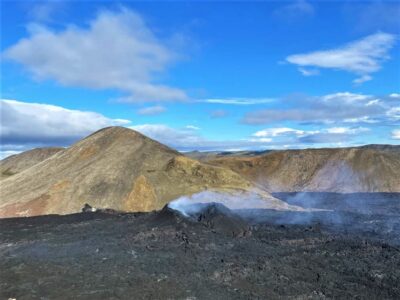
Volcano Eruption Site and Reykjanes Hiking Tour
Read our review →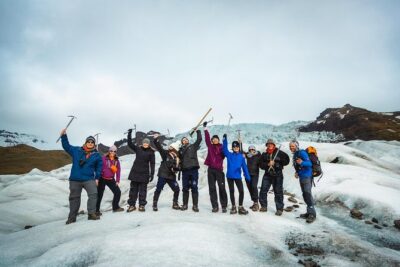
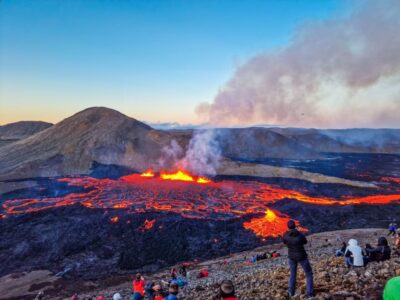
Guided Afternoon Hiking Tour to New Volcano Site
Read our review →Browse the lists this tour appears in