
Reviewed · ICE CLIMBING
Skaftafell National Park: Falljokull Ice Climb and Hike
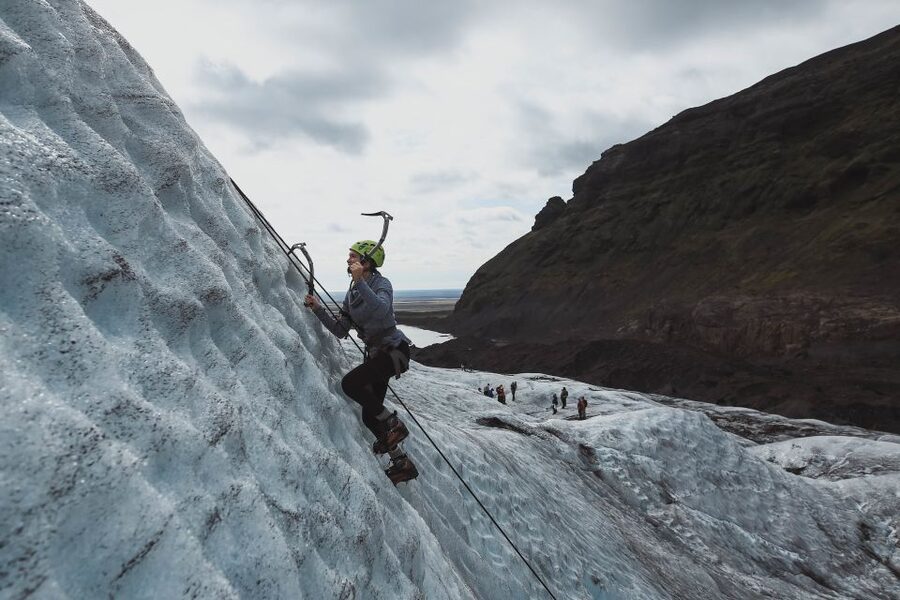
Climbing a blue ice wall on Falljökull glacier is the heart of this four-hour outing. You walk across an outlet of Vatnajökull, Europe’s largest glacier, then use crampons and ice axes to work your way up a real ice face. The setting is big and serious, with peaks rising more than 2,000 meters above you.
I like the small groups of six or fewer, which give the guide time to teach rather than simply lead. I also like the mix of a glacier hike and hands-on climbing, so you see crevasses, moulins, and ice tunnels instead of spending the whole outing on a single route. The main caution is that this is a physical activity on shifting ice. It can feel rigorous, and gloves and rain gear are not supplied.
The guides named in past outings include Jan, Lily, Adam, Diego, Benat, and Vincenzo. Jan received especially warm praise for his calm humor and instruction, while Vincenzo was noted for explaining both the ice and the surrounding peaks with care. The exact guide changes, but the small-group format remains one of the tour’s strongest features.
Key points to know before you book
- Three hours on the glacier: Most of the experience happens on Falljökull itself, not on a bus or at the meeting point.
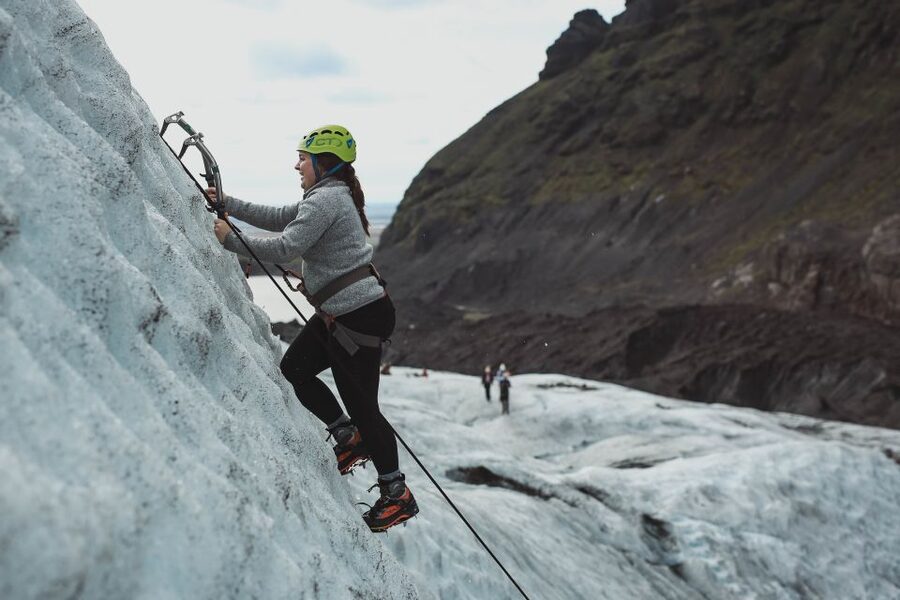
- A real ice-climbing session: You may climb an ice wall or rappel into a crevasse and climb back out with a safety line.
- Groups capped at six: A small group means more personal instruction and less waiting for your turn.
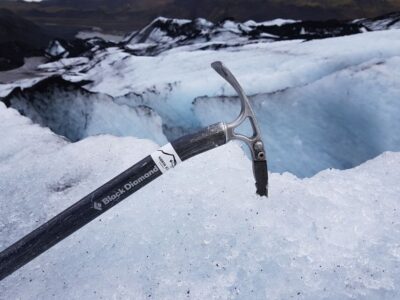
- Full technical gear is supplied: Boots, crampons, helmet, harness, ropes, and an ice axe are included.
- Bring your own weather protection: Rain gear and gloves are not included, and warm clothing is essential.
- Best for active visitors aged 12 and up: You do not need prior climbing experience, but you should be ready for a demanding hike.
Why Falljökull makes a fine climbing ground
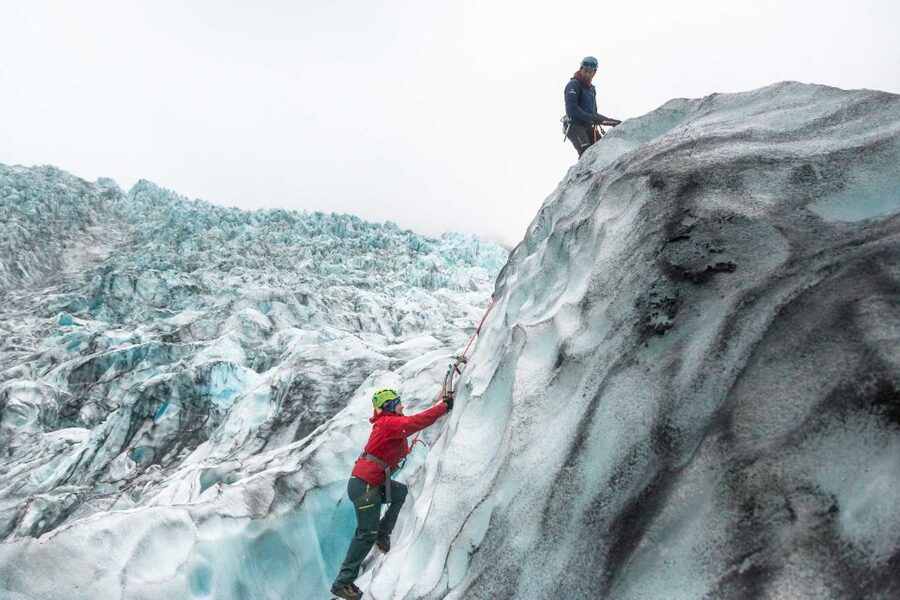
Falljökull is an outlet glacier of Vatnajökull, the vast ice cap that dominates much of southeastern Iceland. An outlet glacier flows outward from the main ice cap, creating a long, broken tongue of ice. That movement gives Falljökull its changing surface, with cracks, ridges, holes, and steep sections.
This is not a polished climbing wall built for tourists. The route changes because the glacier shifts. Your guide scouts for suitable ice and avoids unsafe areas, including active crevasses and moulins. That changing route is part of the appeal, though it also means the exact climb cannot be promised in advance.
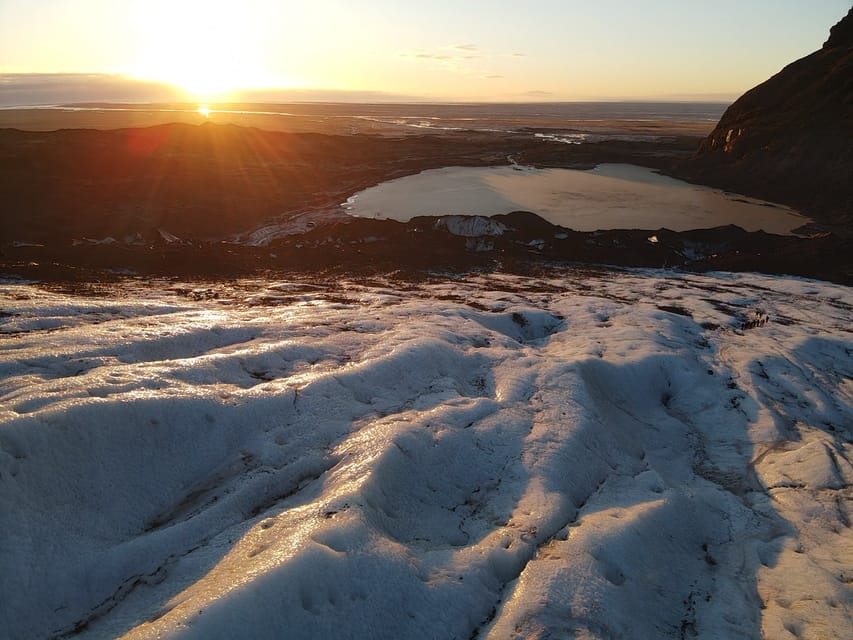
The surrounding peaks add drama without needing any special effect. You may look up at ice-covered summits more than 2,000 meters high, then look down into a narrow blue opening in the glacier. The area has appeared in films such as James Bond, Interstellar, and Game of Thrones. The Jon Snow connection may attract film fans, but the ice itself is the real reason to come.
More Hiking Tours in Southeast Iceland
- Skaftafell: Ice Cave Tour and Glacier Hike
★ 4.5 · 1,746 reviews - Skaftafell National Park: Falljokull Glacier Easy Hike
★ 4.7 · 1,370 reviews - Skaftafell National Park: Falljokull Glacier Advanced Hike
★ 4.8 · 1,083 reviews
Meeting at Tröll Expeditions in Skaftafell
You meet at Tröll Expeditions Skaftafell in Hof. From there, the outing begins with gear fitting and an introduction to the day. The supplied equipment includes climbing boots, crampons, helmets, harnesses, ice axes, and ropes.
Take the fitting seriously. Boots need to feel secure before you leave, and crampons must sit correctly on the boot. Your guide handles the technical setup, but you should say at once if anything pinches or feels loose. A small problem at the parking lot is much easier to fix than the same problem on the ice.
A Troll bus takes you toward the glacier. The ride is short, around ten minutes to the glacier parking area, though the full transport portion may take longer depending on the day’s timing. From the parking area, expect about a fifteen-minute walk to the glacier edge.
That approach matters. You do not step straight from a bus onto the ice. You first walk over rough ground while carrying or wearing some of your equipment, then stop at the ice edge for a crampon demonstration. Wear clothing that lets you move freely and keep your gloves easy to reach.
Learning to walk before you climb
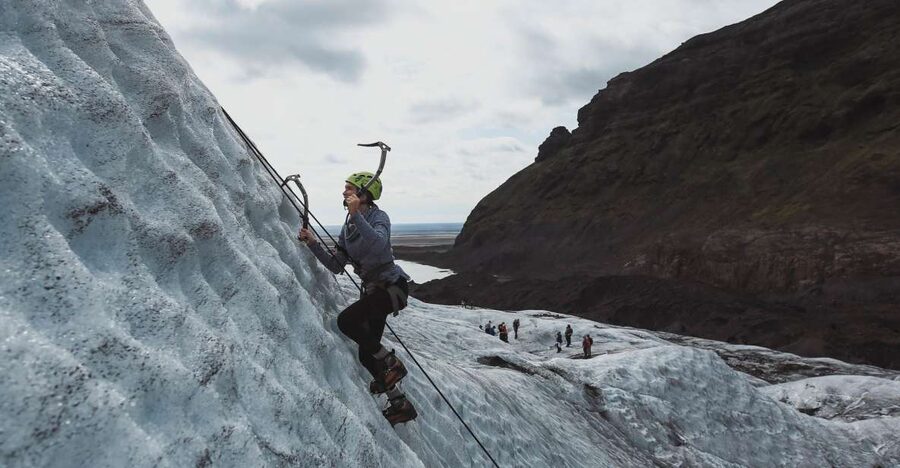
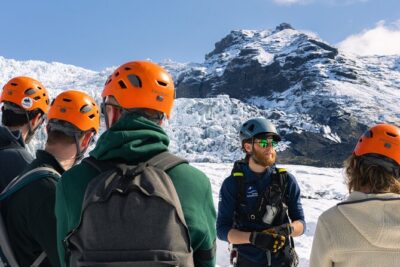
The first lesson is glacier travel. Your guide shows you how to place your feet with crampons, how to use the ice axe, and how to move safely over uneven ice. The technique is not hard to understand, but it feels different from ordinary hiking. You need deliberate steps and steady balance.
This instruction is one of the best reasons to choose the small-group version of the outing. First-time climbers can ask questions and receive corrections without being hurried. Several past participants described the route as manageable for people who had never climbed before, while also noting that the climb itself can be challenging.
The difference between hiking and climbing becomes clear here. On a glacier hike, you mainly watch your footing and the ice around you. During the climbing section, you use your arms, legs, crampons, and ice tools together. Your guide keeps the focus on technique and safety, not speed.
Three hours among crevasses and blue ice
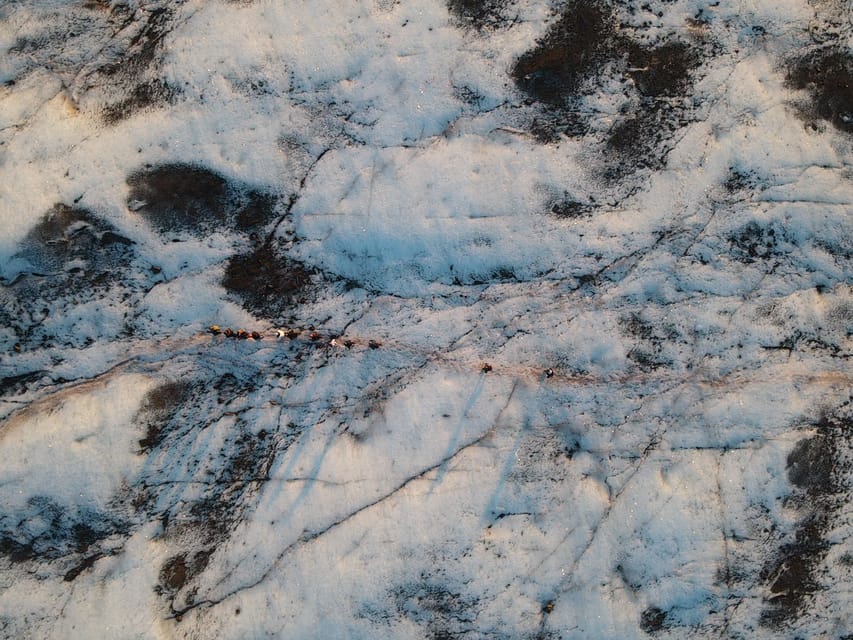
You spend roughly three hours on the glacier. That is a strong time allowance for a four-hour tour, and it gives the outing more substance than a short photo stop on the ice.
Your guide points out crevasses, which are deep breaks in the glacier’s surface. You may also see moulins, vertical shafts formed when meltwater follows cracks into the ice. Their openings can look modest from above, but the dark blue interior shows how far the water has cut down.
In winter, small ice tunnels may reveal the glacier’s blue center. The color comes from ice that has compressed over time, leaving less air to scatter light. Conditions and route choices decide what you can see, so treat these formations as possibilities rather than guarantees.
The glacier is constantly shifting. Your guide may need to scout a new climbing spot to avoid crowds or changing hazards. That can make the route feel less fixed than a normal hiking trail, but it is also why the guide’s judgment matters so much.
The pace is not purely scenic. You are walking on ice, stopping for instruction, and preparing for the climbing section. Past participants have described the hike as rigorous, so do not treat the three hours as a gentle stroll. You should be comfortable spending a long stretch outdoors on uneven ground.
More National Parks in Southeast Iceland
- South Coast Including Vatnajökull National Park and Jökulsárlón Glacier Lagoon
★ 4.0 · 4 reviews - Ice Cave Tour in the National Park of Vatnajökull
★ 4.5 · 410 reviews - Skaftafell: Half-Day Vatnajökull National Park Glacier Hike
★ 4.9 · 83 reviews - Skaftafell Nature Reserve: Highlights Scenic Airplane Tour
★ 4.9 · 6 reviews
The ice climb, ropes, and safety line
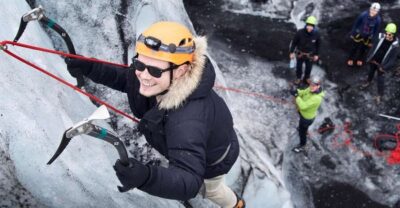
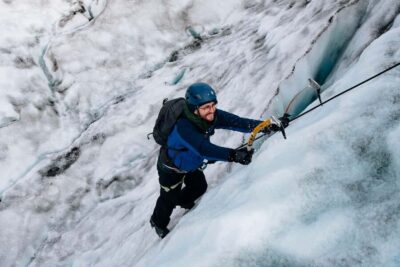
The main event comes when the guide chooses an ice wall suitable for the group. A large ice screw is placed into the ice, and a safety line is attached before anyone climbs. You wear a helmet and harness, then use crampons and ice axes to pull and step upward.
The climbing is accessible to first-timers, but that does not make it effortless. You need to trust your feet, keep your body balanced, and learn how to set the points of your crampons into the ice. Your arms will work hard if you try to pull yourself up with the axes alone, so listen closely to the guide’s instruction.
Depending on the route and conditions, you may rappel into a crevasse and climb back out. That option adds a sharper sense of adventure, but the guide decides what is appropriate. The glacier’s condition, the group’s ability, and the available ice all shape the session.
Safety is not a side note here. Guides must read the ice, place protection correctly, and keep the group away from unstable features. Past participants repeatedly singled out the equipment, safety standards, and calm instruction. One person described the experience as rigorous but said they felt secure throughout. That is the right expectation: exciting, controlled, and physically real.
What makes the guides important
A glacier guide does more than point out scenery. The guide chooses the route, checks the ice, fits equipment, teaches movement, sets the safety system, and decides when a feature is not suitable.
Names from earlier outings include Jan, Lily, Adam, Diego, Benat, and Vincenzo. Jan was praised for being friendly, experienced, and willing to teach with humor. Vincenzo was noted for explaining glacier science and the surrounding area in a clear, patient way. These individual accounts also show why guide quality can affect the mood of a small adventure.
One past outing included a blunt guide whose manner nearly spoiled the experience, despite another guide, Jan, making the day work well. That is a useful reminder that guiding styles vary. The company’s safety system and gear matter most, but a warm guide makes a demanding activity much easier to enjoy.
The value of $259 for four hours
At $259 per person, this is not a cheap add-on. It is also not simply a guided walk. The price covers a certified glacier guide, technical climbing equipment, boots, transport by the Troll bus, and about three hours on the ice.
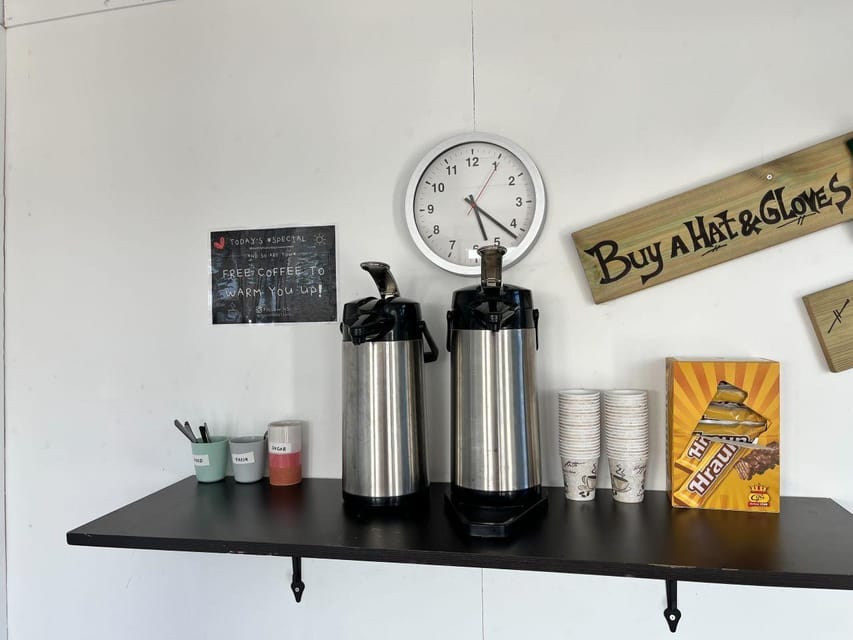
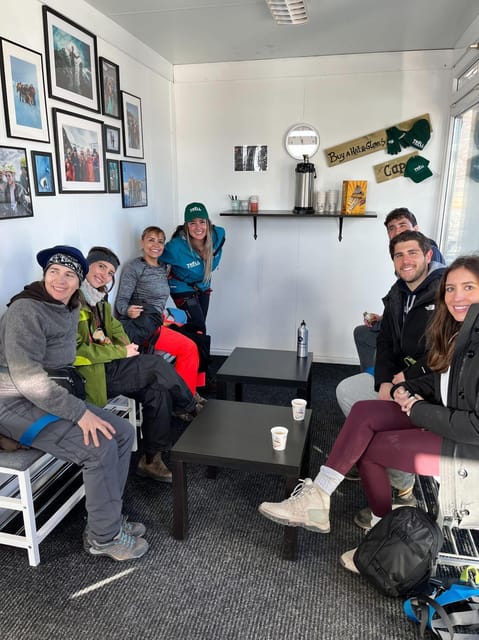
Buying all that equipment yourself would be impractical for most visitors. You receive crampons, an ice axe, helmet, harness, ropes, and climbing boots, plus instruction on how to use them. Coffee and chocolates are also included, a small but welcome touch in a cold setting.
The value depends on what you want from Iceland. If you only want a quick glacier photo, a shorter glacier walk may make more sense. If you want to learn basic ice travel and actually climb, this outing gives you much more time and equipment for the money.
The small group is important to the value calculation. With a maximum of six participants, the guide can spend more time on technique and safety than with a large crowd. You still need to accept that weather and ice conditions can shape the route, so you are paying for expert access and instruction, not a guaranteed wall or a fixed series of stunts.
Clothing, fitness, and age limits
Bring warm clothing, a hat, rain gear, and gloves. Rain gear and gloves are not included, so do not assume the supplied climbing equipment covers your personal clothing. Icelandic weather can change quickly, and you will spend much of the day outdoors.
Wear layers that allow movement. You need enough warmth for standing still during instruction, but you also need freedom in your shoulders and legs for climbing. Your boots are provided, so concentrate on comfortable base layers and weather protection.
The activity is not suitable for children under 12. The supplied information does not set out a detailed fitness test, but the repeated description of a rigorous hike gives you a clear guide. You should be prepared for uneven walking, a long period on your feet, and a climbing section that can challenge your arms and legs.
No previous climbing experience is required. The guide teaches the basic skills on site, and past first-time climbers found the route manageable. Still, beginner-friendly does not mean effortless. If you dislike heights, strenuous activity, or cold outdoor conditions, choose a simpler glacier visit.
Timing, cancellation, and group planning
The stated duration is four hours, with starting times depending on availability. The day includes transport, a safety briefing, walking to the ice, the glacier hike, the climbing lesson, and the return trip. Because the guide may need to check new ice features, the schedule can feel less rigid than a museum tour.
The experience is offered in English with a live guide. Group size is limited to six participants. You can cancel up to 24 hours in advance for a full refund, and the reserve-now, pay-later option lets you keep your plans flexible.
I would allow extra room around this outing in your wider Iceland schedule. The activity itself is four hours, but you will enjoy it more if you are not watching the clock for another appointment. The glacier needs your attention, especially during the climbing lesson.
Who should book this ice climb?
I would choose this outing if you want more than a viewpoint and you like learning by doing. It suits active adults and older children aged 12 or above who are comfortable with cold weather, uneven surfaces, and a physical challenge.
It is also a good choice for a first ice-climbing experience. You receive the technical gear, the guide sets up the safety line, and the small group allows time for instruction. The activity does not assume that you already know how to climb.
I would hesitate if you want a relaxed walk with little effort. The route can be demanding, and gloves and rain gear are your responsibility. I would also hesitate if you need a guaranteed route or a specific ice cave, since Falljökull shifts and the guide selects the climbing area according to current conditions.
Should you book the Falljökull ice climb?
Book it if climbing a glacier wall sounds more exciting than simply standing on one. The strongest parts are the long time on the ice, the small group, the serious equipment, and the chance to see crevasses and moulins up close.
The price is high, but the package includes the guide, transport, boots, and a full set of glacier equipment. Bring proper gloves and rain gear, expect a workout, and give yourself plenty of time around the four-hour schedule. If that sounds like a good day outdoors, Falljökull offers one of the most hands-on ways to experience Skaftafell.
FAQ
How long does the Falljökull ice-climbing tour last?
The activity lasts four hours. You spend roughly three hours on the glacier, with the rest covering transport, walking to the ice, equipment setup, and safety instruction.
Where do I meet the group?
You meet at Tröll Expeditions Skaftafell in Hof.
Is previous ice-climbing experience required?
No. The guide teaches you how to walk on the ice and use the equipment. The climbing can still be physically challenging, even for a first-time climber.
What equipment is included?
The tour includes climbing boots, crampons, a helmet, harness, ice axe, ropes, and other glacier equipment supplied by the guide. Coffee and chocolates are also included.
What should I bring?
Bring warm clothing, a hat, rain gear, and gloves. Rain gear and gloves are not included.
Can children join the tour?
Children under 12 are not permitted to take part.
More Hiking Tours in Vik
- Sólheimajökull: Guided Glacier Hike
★ 4.7 · 1,123 reviews - Sólheimajökull Glacier Hike – Adventure in a Small Group
★ 5.0 · 799 reviews - Solheimajokull Glacier 3-Hour Small-Group Hike
★ 5.0 · 501 reviews - Sólheimajökull Glacier Hike – Small Group Blue Ice Adventure
★ 5.0 · 497 reviews
More Ice Climbing in Vik
- Sólheimajökull Glacier Hike & Ice Climbing Intro – Small Group
★ 4.5 · 151 reviews - Sólheimajökull Ice Climbing and Glacier Walk
★ 5.0 · 132 reviews - Sólheimajökull Ice Climb and Glacier Hike
★ 4.9 · 67 reviews - Small-Group Ice Climbing and Glacier Hiking in Solheimajokull
★ 4.5 · 21 reviews
Just added around Vik
- Vik: Guided Sólheimajökull Glacier Hike★ 4.7 · 233 reviews
- Thorsmork Hike Day Tour★ 5.0 · 79 reviews
- Private Day Trip in Landmannalaugar South Region area on a 4×4 truck★ 5.0 · 7 reviews
- Thorsmork by Super Jeep with Optional Hike★ 5.0 · 74 reviews
- Private Thorsmork Day Hike by Super Jeep★ 5.0 · 7 reviews
- Ancient Historical Site Tour at the Caves of Hella★ 4.5 · 191 reviews
- Tandem Paragliding Flights from Vik★ 5.0 · 63 reviews
- Sólheimajökull Glacier Hike Adventure★ 5.0 · 8 reviews
Ice Climbing, compared.
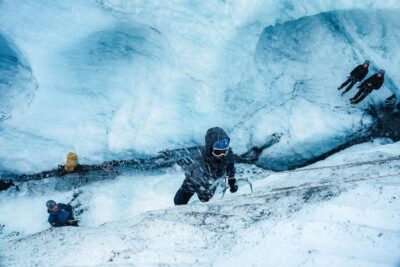
Sólheimajökull Glacier Hike & Ice Climbing Intro
Read our review →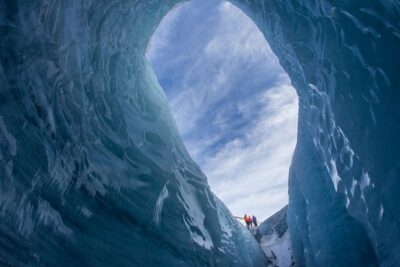
Sólheimajökull Glacier Hike & Ice Climbing Intro – Small Group
Read our review →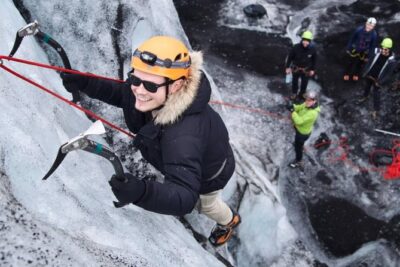
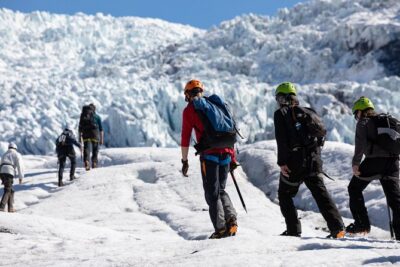
Glacier Xtreme: Vatnajökull Ice Climbing + Hike from Skaftafell
Read our review →Browse the lists this tour appears in